

Over time, you may have found yourself concerned about hair thinning or balding, and the quest for solutions can feel overwhelming. You might wonder if there are effective vitamins that can stimulate regrowth and improve the health of your hair. In this informative post, we’ll explore the vitamins that can contribute to a healthy scalp and promote hair growth, helping you discover the potential benefits—and limitations—of each option as you navigate this common concern.
Key Takeaways:
- Several vitamins, such as Biotin, Vitamin D, and Vitamin E, have been linked to hair health and may promote regrowth in individuals experiencing balding.
- While vitamins can support hair growth, they should be part of a comprehensive approach that includes a balanced diet and lifestyle changes for optimal results.
- Consultation with a healthcare professional is advisable before starting any vitamin regimen, as individual needs and underlying conditions can vary.
The Role of Essential Nutrients in Hair Health
Your hair’s health largely depends on the crucial nutrients it receives. These nutrients help support hair follicle function and overall growth. Essential vitamins and minerals promote the production of keratin—a key structural protein in hair—and facilitate better blood circulation to the scalp, ensuring that hair follicles receive the necessary oxygen and nutrients. Without these vital components, hair can become weak, brittle, and prone to excessive shedding.
Key Vitamins Linked to Hair Growth
Vitamins such as Biotin, Vitamin D, and Vitamin E have been extensively linked to hair growth. Biotin is often hailed as a miracle worker for hair health, supporting keratin production and overall follicle strength. Vitamin D plays an crucial role in the creation of new hair follicles, while Vitamin E helps combat oxidative stress on the scalp. Together, these vitamins can contribute to a healthier hair growth environment.
The Impact of Deficiencies on Hair Loss
Lack of crucial vitamins can lead to noticeable hair loss and stunted regrowth. For instance, a Biotin deficiency can induce hair thinning and loss, while low levels of Vitamin D have been linked to alopecia areata, an autoimmune condition that causes hair loss in patches. Deficiencies can disrupt the hair growth cycle, leaving your follicles dormant and unproductive.
Deficiencies in key nutrients can significantly alter the state of your hair and lead to alarming results. For example, insufficient Biotin levels reduce keratin production, leading to brittle hair that is more susceptible to breakage. Vitamin D deficiency may decrease the number of hair follicles in the growth phase, drastically impacting your hair’s fullness. Moreover, a lack of iron, another crucial nutrient, can lead to anemia, resulting in weak and thinning hair. Whether through diet or supplementation, addressing these deficiencies is vital for restoring your hair’s vitality.
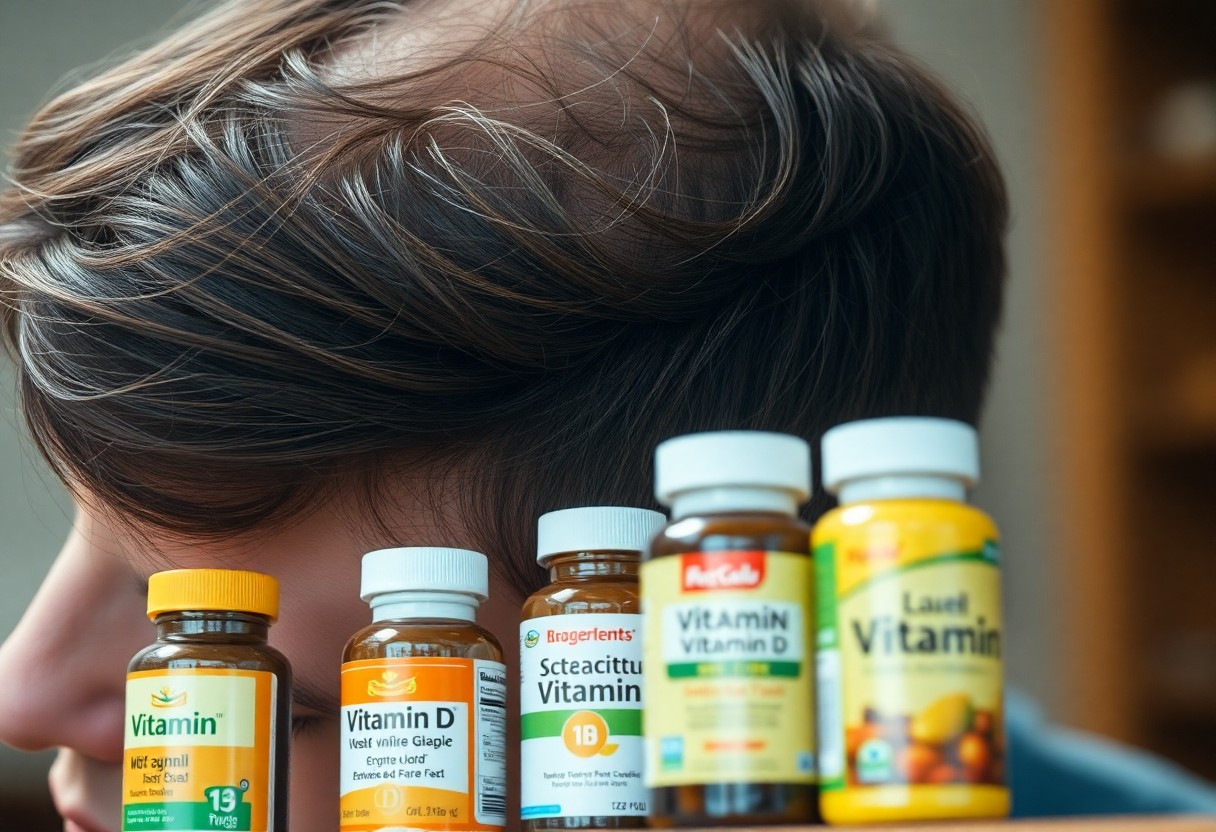
Scientific Evidence Supporting Vitamin Efficacy
Research indicates that Vitamin E can play a significant role in hair health, particularly due to its antioxidant properties. Studies suggest that it helps in reducing oxidative stress, a primary contributor to hair loss. For instance, individuals who participated in a study showed a substantial improvement in hair growth after taking Vitamin E supplements over eight months. The efficacy of Vitamin E, specifically in treating hair loss, remains an area of growing interest and research.
Analyzing Clinical Trials and Studies
Several clinical trials have taken a deep examine the effectiveness of Vitamin E for hair regrowth. One notable study conducted with a group of participants suffering from hair loss demonstrated that consistent supplementation with Vitamin E resulted in a remarkable 34.5% increase in hair count. These results highlight Vitamin E’s potential as a valuable resource in regenerative treatment plans for those experiencing balding.
Mechanisms of Action: How Vitamins Influence Follicle Survival
Vitamins can enhance follicle survival through various mechanisms, including improving blood circulation and reducing inflammation. Vitamin E, specifically, strengthens the hair’s capillary structure, promoting better nutrient delivery to follicles. This nutrient-rich environment is necessary for maintaining hair health and vitality.
The role of Vitamin E goes beyond mere supplementation; it actively engages in cellular repair mechanisms and stabilizes cell membranes. The antioxidant properties of Vitamin E minimize damage from free radicals, which can hinder follicle function. Additionally, by facilitating blood flow, Vitamin E fosters a more hospitable environment for hair follicles to thrive. Studies have also suggested that Vitamin E reduces scalp inflammation, another key factor that can adversely affect hair growth. By addressing these underlying issues, you create the ideal conditions for healthier and potentially fuller hair regrowth.
The Biochemical Dance: The Importance of Co-Factors
Every vitamin requires specific co-factors to be effectively utilized by your body, akin to dancers following a precise rhythm. These co-factors, such as minerals and other nutrients, amplify the benefits of vitamins, ensuring that they function optimally. For instance, Vitamin D needs magnesium to convert into its active form, while Vitamin C works best in conjunction with calcium for enhanced absorption. This intricate interplay highlights the significance of a well-rounded nutritional approach. Any neglect of these crucial co-factors may hamper your hair regrowth efforts.
How Minerals Work in Tandem with Vitamins
Minerals function as partners to vitamins, facilitating numerous biochemical processes crucial for hair health. For example, zinc is vital for the metabolism of B Vitamins, which support your hair follicle health. Additionally, iron plays a direct role in transporting oxygen to hair cells, promoting a vibrant hair growth cycle. Ensuring an adequate supply of these minerals can drastically enhance the effects of your chosen vitamins.
The Synergy of Vitamin and Mineral Combinations
The interaction between vitamins and minerals creates a powerful synergy that benefits overall health, including your hair. When you balance Vitamin E with zinc, for example, studies show improved circulation, delivering vital nutrients directly to your hair follicles. Similarly, pairing Biotin with selenium can lead to enhanced hair strength and reduced brittleness. By thoughtfully combining specific vitamins and minerals, you can unlock greater potential for hair regrowth and overall vitality.
Exploring the synergy between vitamins and minerals reveals how targeted combinations can produce remarkably beneficial outcomes. For instance, the combination of Vitamin A with zinc encourages the maintenance of healthy sebum production in the scalp, a critical aspect of hair health. Additionally, folic acid coupled with iron can improve hair thickness and vitality. By harnessing these potent partnerships, you can create a tailored strategy for combating hair loss and fostering regeneration. Such informed decisions lead to holistic improvements in your overall hair care regimen.
Practical Approaches to Include Vitamins in Your Diet
To effectively incorporate vitamins that support hair regrowth into your diet, focus on a balanced approach that prioritizes whole foods rich in necessary nutrients. Aim to include a variety of fruits, vegetables, nuts, seeds, and lean proteins. Regularly consuming foods like leafy greens, avocados, eggs, and fatty fish can significantly enhance your vitamin intake. Additionally, consider meal prepping to ensure you have healthy snacks on hand, further increasing your vitamin consumption throughout the day.
Natural Sources of Key Vitamins for Hair Growth
Natural food sources are the best way to obtain vitamins for hair growth. For instance, biotin can be found in egg yolks and nuts, while Vitamin D is abundant in fatty fish and fortified foods. Leafy greens like spinach and kale provide desirable amounts of Vitamin E, and citrus fruits are packed with Vitamin C. By diversifying your meals and incorporating these nutrient-dense foods, you can naturally boost your vitamin levels to potentially facilitate hair regrowth.
Supplements: What to Look For and What to Avoid
Choosing the right supplements is key to effectively boosting your vitamin intake for hair health. Look for products that provide a balanced mix of vitamins and minerals, such as biotin, vitamin D, zinc, and iron. Opt for high-quality brands that undergo third-party testing to ensure purity. Avoid supplements with excessive dosages, as they may cause adverse effects. It’s wise to steer clear of proprietary blends that don’t disclose specific ingredient amounts, limiting your ability to assess their efficacy.
When evaluating hair growth supplements, focus on those containing clinically-backed ingredients. Research suggests that biotin at 30-100 mcg daily shows the most promise, while Vitamin D levels should ideally fall between 600-800 IU per day. Brands that provide transparency in their formulation and dosage offer more assurance of effectiveness. Avoid products with unverified claims or those promoting rapid outcomes; the best results typically come from a sustained nutritional approach combined with lifestyle adjustments.
Beyond Vitamins: Holistic Strategies for Combating Balding
In addition to focusing on vitamins, adopting a holistic approach can be beneficial in your journey to combat balding. This includes a combination of lifestyle adjustments, stress management techniques, and supportive psychological practices that enhance both hair health and overall well-being. By integrating these strategies into your daily routine, you can create an environment that fosters hair growth while addressing the multifaceted nature of hair loss.
Lifestyle Changes That Complement Nutritional Approaches
Integrating specific lifestyle changes can maximize the effectiveness of your nutritional strategies. Ensuring you get adequate sleep, staying hydrated, and incorporating regular physical activity can significantly improve blood circulation and nutrient delivery to hair follicles. Additionally, quitting smoking and reducing alcohol intake can further protect your hair health while promoting a more vibrant lifestyle.
Psychological Impact and the Role of Stress Management
Stress can markedly influence hair health, often leading to conditions like telogen effluvium, where hair follicles prematurely enter the shedding phase. Engaging in stress management practices, such as mindfulness, yoga, or deep-breathing exercises, can mitigate these effects and foster a more conducive environment for hair regrowth.
The connection between stress and hair loss is underscored by studies that show chronic stress can lead to elevated levels of cortisol, a hormone linked to various health issues, including hair thinning. Implementing strategies to manage your stress not only benefits your mental health but may also stabilize hormonal fluctuations that negatively affect hair growth. Techniques such as journaling, meditation, and regular exercise can substantially lessen stress levels, thus supporting your overall efforts in addressing balding.
Final Words
Upon reflecting on the quest for effective vitamins for balding that can stimulate regrowth, it’s important for you to consider a holistic approach. While certain vitamins like biotin, vitamin D, and zinc may support hair health, results can vary from person to person. Integrating these vitamins into a balanced diet, coupled with proper hair care and potentially consulting with a healthcare professional, can enhance your chances of regrowth. Ultimately, staying informed and consistent in your efforts will aid in achieving the best possible results for your hair.
FAQ
Q: What vitamins are known to promote hair regrowth for those experiencing balding?
A: Several vitamins and minerals are recognized for their potential benefits in promoting hair health and regrowth. Vitamin D plays a key role in hair follicle cycling, while B vitamins, particularly Biotin (Vitamin B7), are important for keratin production, which helps strengthen hair. Vitamin E is another important nutrient as it improves blood circulation and can support a healthy scalp. Additionally, minerals like zinc and iron are vital for maintaining healthy hair growth. Incorporating a balanced diet rich in these nutrients can support overall hair health.
Q: Can taking vitamin supplements alone reverse balding?
A: While vitamin supplements can assist in improving hair health and may aid in stimulating regrowth for some individuals, they are not a guaranteed solution for reversing balding. Hair loss can be influenced by various factors, including genetics, hormonal changes, and underlying health conditions. It’s important to approach hair loss with a comprehensive strategy that may include a healthy diet, lifestyle changes, and, if needed, medical treatments like minoxidil or finasteride in consultation with a healthcare professional.
Q: Are there any side effects associated with taking vitamins for hair growth?
A: Generally, vitamins taken in appropriate doses are safe for most individuals; however, overdosing on certain vitamins can lead to adverse effects. For instance, excessive amounts of Vitamin A can cause toxicity and hair loss, while too much Vitamin E might disrupt blood clotting. It’s important to stick to recommended daily allowances and consult with a healthcare provider before starting any new supplement regimen, particularly for those with existing health conditions or those taking other medications.

