
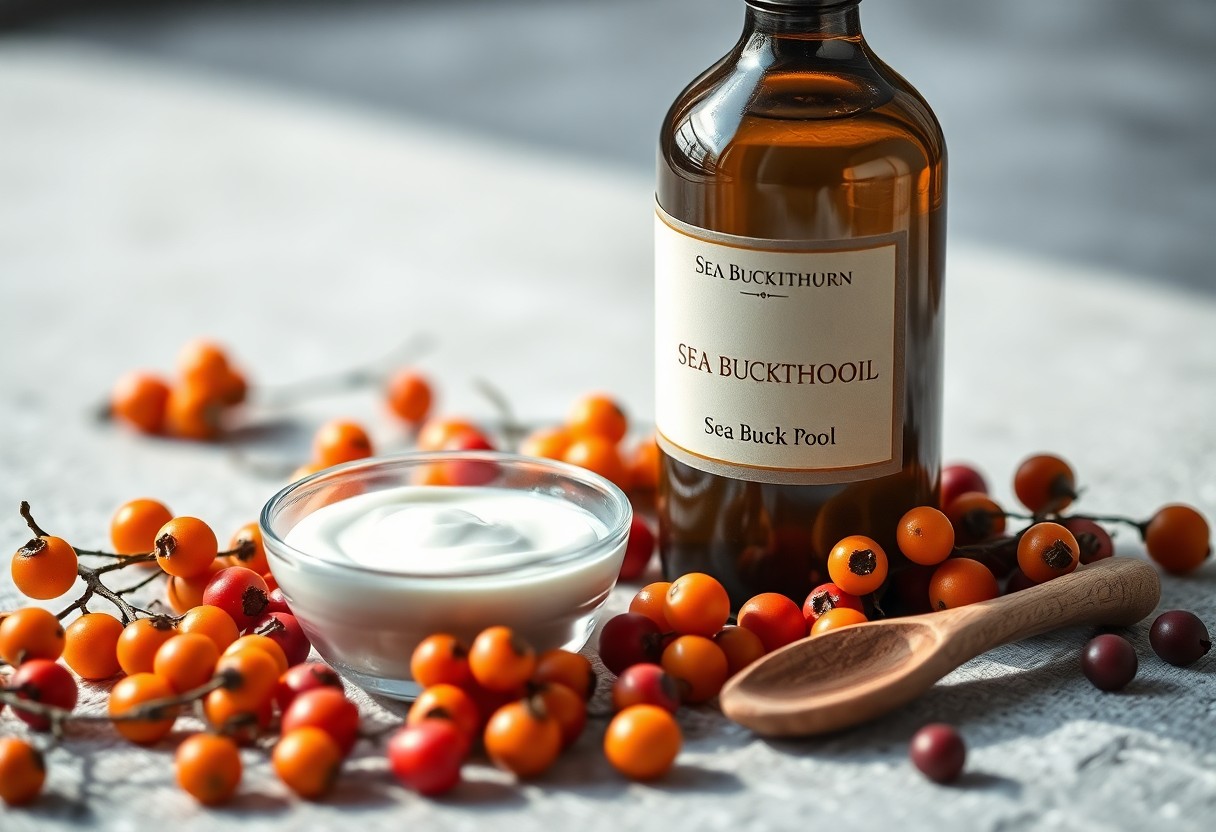
Many people struggle with dry and uncomfortable eyes, which can be both irritating and harmful to your vision. Fortunately, Sea Buckthorn Oil offers an effective natural solution to enhance your eye moisture. This powerful oil is rich in important fatty acids, vitamins, and antioxidants that can hydrate and protect your eyes from dryness. In this post, you’ll discover proven steps to incorporate Sea Buckthorn Oil into your daily routine, helping you achieve softer, more comfortable eyes naturally.
Key Takeaways:
- Sea buckthorn oil is rich in omega fatty acids and antioxidants, aiding in enhancing eye moisture.
- Topical application and dietary inclusion of sea buckthorn oil can significantly improve eye hydration.
- Regular use can contribute to long-term eye health and mitigate dryness symptoms.
Understanding Eye Moisture
Maintaining adequate eye moisture is imperative for your overall eye health. The tear film, composed of water, oils, and mucin, plays a vital role in providing lubrication, nourishing the cornea, and protecting against irritants. When this delicate balance is disrupted, discomfort and visual disturbances can occur, making it difficult to engage in daily activities.
Importance of Eye Moisture
Sufficient eye moisture helps reduce irritation, prevents infections, and ensures clear vision. Without proper hydration, you might experience symptoms such as redness, burning sensations, and excessive tearing as your eyes struggle to compensate for the dryness. Protecting your tear film is imperative for long-term eye health.
Common Causes of Dry Eyes
Dry eyes can stem from a variety of factors, including environmental conditions, lifestyle choices, and underlying health issues. Prolonged screen time, insufficient blinking, and exposure to wind or smoke can all contribute to decreased moisture levels. Additionally, certain medications, medical conditions, and hormonal changes may exacerbate the issue.
Environmental factors are often significant contributors to dry eyes. For instance, spending hours staring at screens can reduce your blink rate by up to 66%, leading to increased evaporation of the tear film. Humidity levels also play a role; air-conditioned or heated environments can dry out your eyes further. Medical conditions such as Sjögren’s syndrome or diabetes affect tear production, while medications like antihistamines and some antidepressants can decrease tear secretion. Recognizing these causes is vital for effectively addressing and managing dry eye symptoms.
What is Sea Buckthorn Oil?
Sea buckthorn oil is derived from the berries of the sea buckthorn plant, scientifically known as Hippophae rhamnoides. This vibrant oil is renowned for its rich nutrient content and has been used traditionally for centuries to promote skin and health benefits. It contains a unique blend of imperative fatty acids, vitamins, and antioxidants, making it a sought-after ingredient in natural remedies and cosmetics.
Nutritional Profile
The nutritional profile of sea buckthorn oil is impressive, containing over 190 bioactive compounds. It’s particularly high in vitamins A, C, and E, as well as omega-3, -6, -7, and -9 fatty acids. These nutrients provide your body with protective properties and support cellular health, ensuring your eyes receive imperative nourishment.
Benefits for Eye Health
Utilizing sea buckthorn oil can significantly enhance your eye health. It possesses powerful antioxidant properties that combat oxidative stress and inflammation, which are common causes of dry eyes. Additionally, the omega fatty acids in the oil help strengthen cell membranes, providing a protective barrier that can improve moisture retention.
Research illustrates that the omega-7 fatty acids, particularly palmitoleic acid in sea buckthorn oil, are beneficial for maintaining ocular surface health. By improving tear stability and reducing inflammation, you may find relief from symptoms of dry eye syndrome. Furthermore, studies indicate that regular intake can enhance overall vision and may even assist in preventing age-related eye conditions, ensuring your eyes stay resilient and vibrant as you age.

How Sea Buckthorn Oil Works to Increase Eye Moisture
Sea buckthorn oil enhances eye moisture through its unique blend of nutrients, particularly its rich composition of omega-7 fatty acids, which play a key role in maintaining hydration levels in the eyes. These fatty acids help strengthen the tear film, providing a protective barrier against dryness. Additionally, its vitamins and antioxidants contribute to the overall health of the ocular surface, promoting a more comfortable visual experience.
Hydration Mechanism
The hydration mechanism of sea buckthorn oil involves its ability to form a lipid layer on the eye’s surface. This layer not only prevents moisture evaporation but also stabilizes the tear film, ensuring consistent hydration. With a combination of vitamin E and carotenoids, sea buckthorn oil supports cellular integrity, promoting long-lasting moisture retention.
Anti-inflammatory Properties
Another significant aspect of sea buckthorn oil is its anti-inflammatory properties. Chronic inflammation can contribute to dryness and discomfort in the eyes, making it vital to incorporate anti-inflammatory agents into your routine. Sea buckthorn oil contains compounds like flavonoids and phenolic acids, which combat inflammation and promote healing.
These anti-inflammatory compounds work by inhibiting specific pathways that lead to eye irritation and redness. For instance, studies have showcased that topical application of sea buckthorn oil significantly reduces symptoms of dry eye syndrome by targeting underlying inflammation. By addressing inflammation, you not only enhance moisture levels but also improve overall eye comfort and health, paving the way for an effective natural solution to dryness.
Proven Steps to Use Sea Buckthorn Oil
Incorporating Sea Buckthorn Oil: The Powerful Skin Ally You Need into your routine can significantly enhance eye moisture. Use it topically or incorporate it into your diet for double the benefits. With consistency and mindfulness about application techniques, you can achieve optimal hydration and comfort for your eyes.
Topical Applications
Applying sea buckthorn oil directly around your eyes can work wonders for hydration. Utilize a small amount and gently pat it onto the skin with your ring finger to avoid irritation. The oil absorbs quickly, thanks to its unique composition, which includes omega-7 fatty acids that promote skin elasticity and moisture retention.
Dietary Incorporation
Integrating sea buckthorn oil into your diet provides internal moisture support. You can add it to smoothies, salad dressings, or even take it as a supplement. Just a teaspoon daily can make a noticeable difference in your hydration levels, enhancing overall skin health.
Consider processing sea buckthorn oil in various culinary contexts. For instance, mix it into your morning smoothie for a nutrient boost or drizzle it over roasted vegetables to elevate flavor while benefiting from its omega fatty acids. This dual action not only hydrates your skin externally but also nourishes from within, contributing to overall wellness and eye moisture retention.
Precautions and Considerations
Before incorporating sea buckthorn oil into your routine, consider potential side effects and interactions with existing treatments. Always patch-test the oil on a small skin area to rule out adverse reactions. Additionally, be cautious about excessive use, as it can lead to oily skin or exacerbate certain conditions. Moderation is key to ensuring optimal results without complications.
Potential Allergies
Be aware that some individuals may experience allergic reactions to sea buckthorn oil, particularly those with sensitivities to similar substances like berries or nuts. Symptoms can range from mild irritation to severe rash or swelling. Always consult ingredient labels or perform a small skin test to check for allergies before applying it more broadly.
Consultation with Healthcare Providers
Engaging with healthcare providers before using sea buckthorn oil is wise, especially if you have underlying health conditions or are on medication. They can provide tailored advice, ensuring that the oil complements your health and doesn’t interfere with other treatments.
Your healthcare provider can also explain the oil’s potential benefits and risks in the context of your specific health profile. For example, if you’re taking anticoagulants, sea buckthorn’s effects on blood viscosity may be significant. Personalized advice will empower you to use the oil effectively while minimizing adverse interactions or complications.
Additional Natural Remedies for Eye Moisture
In addition to sea buckthorn oil, you can explore other natural remedies to enhance eye moisture. These alternatives can support your eyes’ hydration levels and overall health. Incorporating these remedies into your routine may provide additional benefits while complementing your existing regimen.
Other Oils and Supplements
Consider using castor oil or flaxseed oil for their hydrating properties. Both oils are rich in fatty acids and can help alleviate dryness. Supplements like omega-3 fatty acids and vitamin E can also play a significant role in promoting eye moisture and supporting tear production.
Lifestyle Modifications
Making small adjustments in your daily habits can have a profound impact on eye moisture. Stay well-hydrated, ensure you’re consuming a balanced diet rich in omega-3 fats, and take regular breaks from screens. Adjusting your environment by using humidifiers can further improve moisture retention in your eyes.
Implementing lifestyle modifications involves creating a consistent routine. Aim for at least eight glasses of water daily to maintain hydration. Incorporate foods like fatty fish, walnuts, and chia seeds for their omega-3 content. The 20-20-20 rule is beneficial when using screens: every 20 minutes, look at something 20 feet away for 20 seconds. Furthermore, maintaining an optimal level of humidity in your home can significantly reduce eye dryness, especially in heated or air-conditioned environments, so consider using a humidifier during extreme weather. These changes collectively enhance your eye moisture challenges over time.
Summing up
As a reminder, incorporating sea buckthorn oil into your routine can significantly enhance your eye moisture levels naturally. By using it topically or as a dietary supplement, you can effectively combat dryness, improve comfort, and promote overall eye health. With its rich concentration of nutrients and antioxidants, sea buckthorn oil not only nourishes your skin but also supports the delicate tissues around your eyes. Implement these proven steps consistently to experience the benefits and maintain optimal hydration for your eyes.
FAQ
Q: What are the benefits of using sea buckthorn oil for eye moisture?
A: Sea buckthorn oil is rich in omega fatty acids, vitamins, and antioxidants, which contribute to enhanced hydration and improved moisture retention in the eyes. This oil can help alleviate dry eyes, reduce inflammation, and promote overall eye health.
Q: How can I incorporate sea buckthorn oil into my daily routine for eye care?
A: Ideally, sea buckthorn oil can be used in various forms, such as topical applications around the eye area or as a dietary supplement. For topical use, apply a few drops around the eyes gently, ensuring not to use too close to the eye itself. For dietary incorporation, choose high-quality sea buckthorn oil soft gels or liquid form to consume as per the recommended dosage.
Q: Are there any side effects associated with using sea buckthorn oil for eyes?
A: Generally, sea buckthorn oil is considered safe for most individuals when used as directed. However, some people may experience mild allergic reactions or skin irritation. It is advisable to conduct a patch test before applying it to sensitive areas and to consult with a healthcare provider if any adverse effects occur.

