
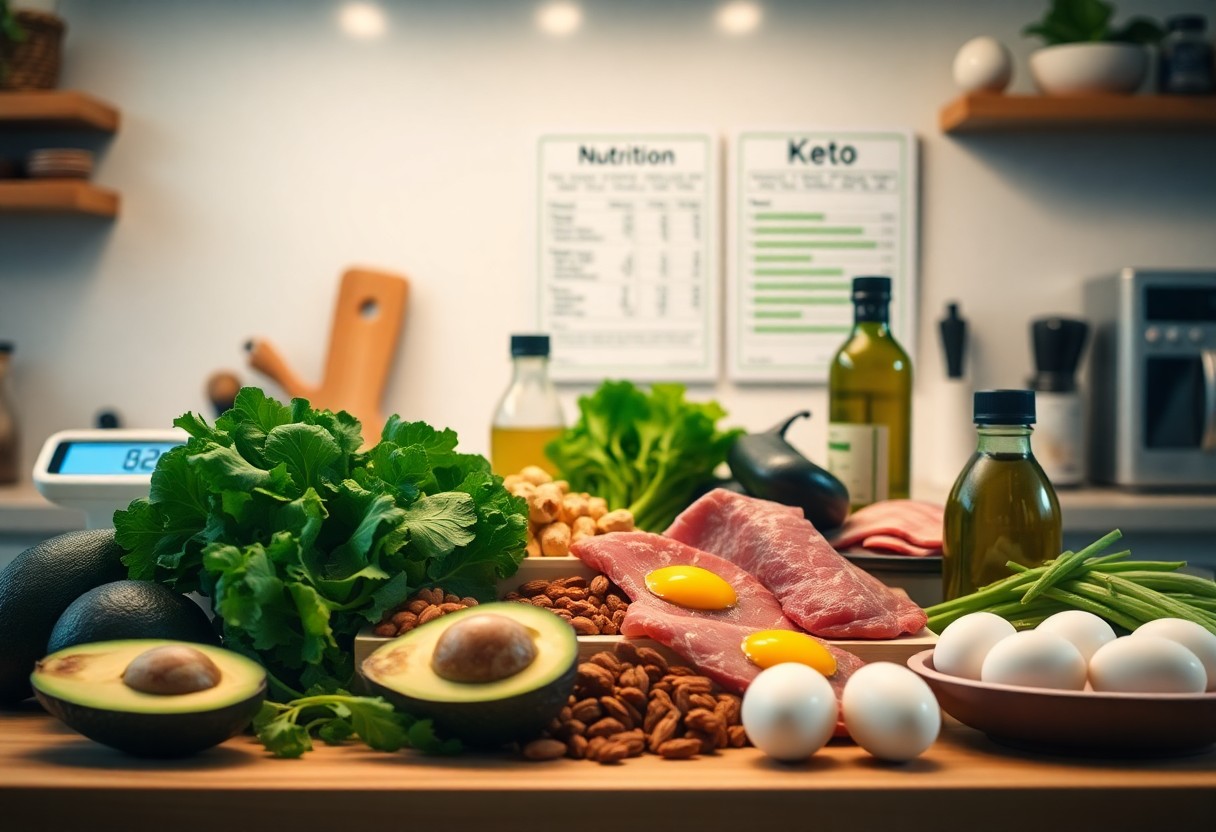
Nutrition plays a vital role in your journey toward optimal fat loss, especially when following the ketogenic diet. Understanding the role of carbohydrates, fats, and proteins is crucial in shaping your meals to achieve your health goals. As you explore into the fundamentals of keto, you will learn how to balance these macronutrients effectively to maximize fat burning and sustain energy levels. This guide will provide you with the basic knowledge needed to navigate the keto landscape confidently.
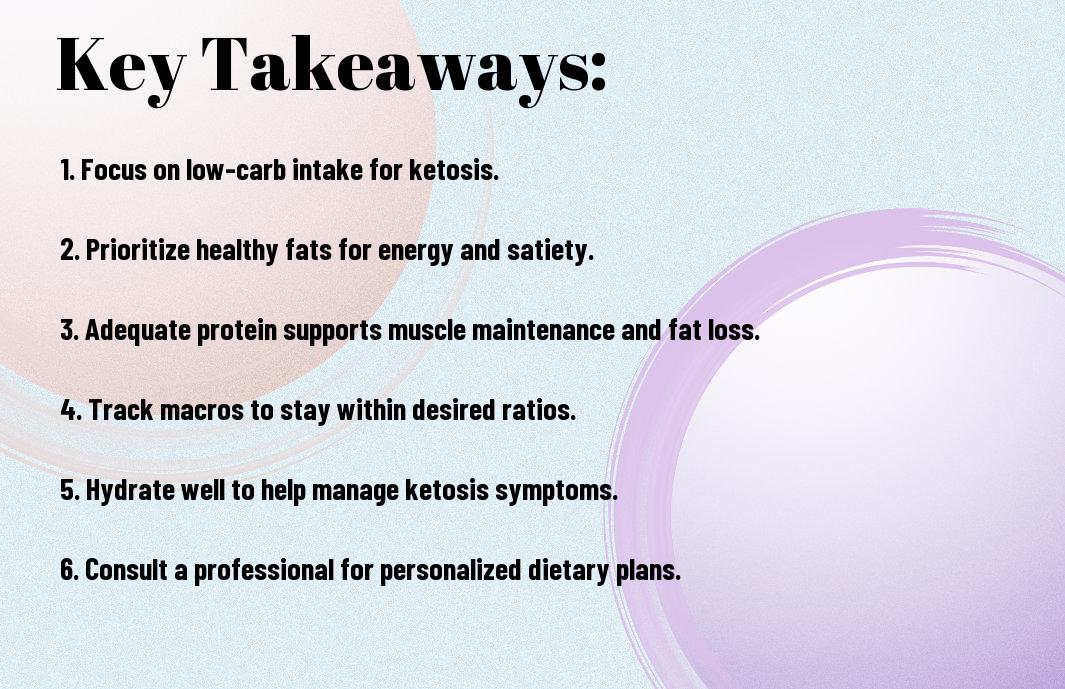
Key Takeaways:
- Understanding Macros: The keto diet focuses on a high intake of fats, moderate proteins, and very low carbohydrates, which helps the body enter a state of ketosis for effective fat loss.
- Carbohydrate Limit: Keeping carbs below 20-50 grams per day encourages the body to burn fat as its primary energy source instead of glucose.
- Healthy Fats: Emphasizing healthy fats, such as those from avocados, nuts, and olive oil, is vital for supporting overall health while promoting fat loss.

Understanding Carbohydrates
A foundational element of nutrition, carbohydrates play a significant role in your diet and energy levels. Understanding how to manage your carbohydrate intake is imperative for optimizing fat loss, especially when following a ketogenic lifestyle. By keeping your carbohydrate consumption low, your body can transition into a state of ketosis, where it burns fat for fuel instead of glucose. This shift can lead to effective weight loss and improved overall health.
Types of Carbohydrates
Between simple and complex, carbohydrates vary in structure and function. Here’s a breakdown of the types you’ll encounter:
| Simple Carbohydrates | Quickly digested, providing rapid energy. |
| Complex Carbohydrates | Digest slower, offering sustained energy release. |
| Fiber | Promotes digestive health and supports satiety. |
| Refined Carbs | Processed and often low in nutrients. |
| Whole Grains | Provide more nutrients and are beneficial in moderation. |
- Simple carbs include sugars found in fruits and sweets.
- Complex carbs can be found in vegetables and whole grains.
- Fiber-rich foods include legumes and whole grains.
- Refined carbs are often found in processed foods.
- This knowledge can help you make healthier choices.
Carbs and the Keto Diet
The ketogenic diet emphasizes significantly reducing carbohydrate intake to enter a metabolic state known as ketosis. In ketosis, your body becomes highly efficient in burning fat for energy, leading to weight loss benefits that many people seek. This dietary approach helps stabilize blood sugar levels and minimizes cravings, making it easier for you to stick to your nutrition plan.
But be aware that not all carbs are created equal. While you’re encouraged to limit intake, focusing on quality carbohydrates—such as those from non-starchy vegetables—can support your overall health. Balancing your meals, ensuring adequate fiber, and staying hydrated are also imperative. As you navigate your keto journey, tailoring your carbohydrate intake will help you achieve your weight loss goals while maintaining optimal energy levels.
The Role of Fats
If you’re begining on a keto journey, you’ll find that fats play a vital role in achieving your fat loss goals. These macronutrients not only provide a significant source of energy but also contribute to the maintenance of vital hormones and cellular functions. By shifting your body’s primary fuel source from carbs to fats, you’re setting up an environment conducive to burning stored fat more efficiently.
Healthy Fats vs. Unhealthy Fats
For optimal health, it’s important to differentiate between healthy fats and unhealthy fats. Healthy fats, found in foods like avocados, nuts, and olive oil, support cellular health and heart function. In contrast, unhealthy fats, often found in processed foods and trans fats, can lead to inflammation and other health issues. Choosing the right types of fats can enhance your overall well-being and improve your fat loss efforts.
Fats and Energy Production
At the core of the keto diet is the ability of your body to utilize fats as a primary energy source. Unlike carbohydrates, fat is metabolized differently, leading to sustained energy levels and reduced blood sugar fluctuations.
The beauty of fats lies in their caloric density, providing you with a concentrated source of energy while keeping your hunger at bay. When your body enters a state of ketosis, it becomes adept at breaking down fat into ketones, which serve as a highly efficient energy source. This process not only helps power your daily activities but can also promote fat loss by encouraging your body to tap into stored fat reserves. By embracing healthy fats, you are encouraging your body to maximize energy efficiency and improve your overall metabolic health.

Proteins and Their Importance
Your body relies on proteins for building and repairing tissues, producing enzymes, and supporting immune function. In a keto diet, adequate protein intake is vital to maintain muscle mass while promoting fat loss. Balancing your protein consumption ensures that your body can effectively utilize fats for energy without compromising your overall health or performance.
Amino Acids Explained
Around 20 different amino acids are imperative for your body’s various functions, with nine categorized as imperative because your body cannot produce them. These imperative amino acids must be obtained through your diet. Adequate amino acid intake promotes muscle growth, boosts metabolism, and aids in recovery, making it an important consideration when adhering to a keto lifestyle.
Protein Sources for Keto
Their protein sources should prioritize meats, fish, dairy, and eggs, as they fit well within the low-carb, high-fat paradigm of keto. These food items provide a rich supply of amino acids without significant carbohydrates, making them ideal for fat loss while supporting your nutritional needs.
Another great way to incorporate protein into your keto diet is by considering plant-based sources like nuts, seeds, and legumes. However, be mindful of their carbohydrate content, as some may impact your daily carb allowance. A well-rounded approach includes focusing on high-quality protein sources while ensuring you meet your overall macronutrient goals for the best results on your keto journey.
How Macronutrients Work Together
All three macronutrients—carbohydrates, fats, and proteins—play significant roles in your body, especially when it comes to fat loss. Understanding how they interact can help you optimize your ketogenic diet. While carbs provide energy, fats serve as your fuel source in a ketogenic state, and proteins support muscle repair and growth. When you balance these macronutrients correctly, you create an environment that promotes efficient fat burning while sustaining energy levels and preventing muscle loss.
The Ketogenic Ratio
After establishing a solid understanding of macronutrients, you can explore the ketogenic ratio, which typically consists of approximately 70-75% fats, 20-25% proteins, and 5-10% carbohydrates. This ratio encourages your body to enter a state of ketosis, where it efficiently burns fat for fuel instead of relying on glucose from carbohydrates. By adhering to this ratio, you can maximize your chances of achieving your weight loss goals while enjoying a variety of satisfying foods that support your ketogenic lifestyle.
Balancing Carbs, Fats, and Proteins
Before venturing into your ketogenic journey, it’s crucial to understand how to balance carbs, fats, and proteins in your meals. Striking the right balance will ensure you maintain ketosis while also getting the nutrients your body needs to function optimally.
Proteins should comprise a moderate portion of your diet to support muscle repair and overall health. Choosing high-quality sources such as lean meats, fish, and plant-based options will help you stay within your protein goals. Alongside this, healthy fats are your primary fuel source, so opting for avocados, olive oil, and nuts will keep your energy levels stable. Limiting your carbohydrate intake through low-carb vegetables and leafy greens further supports your journey into ketosis. Finding the right balance for your body may take some time, but it’s crucial for achieving lasting fat loss success.
Benefits of the Keto Diet for Fat Loss
Once again, the keto diet has gained attention for its ability to promote effective fat loss. By drastically reducing carbohydrate intake, your body shifts into a metabolic state called ketosis, where it begins to burn fat for energy instead of glucose. This shift not only helps you shed unwanted weight but can also provide you with stable energy levels and improved mental clarity, making it easier to stick to your goals and maintain a healthy lifestyle.
Ketosis Explained
The process of ketosis occurs when your body switches from using carbohydrates to fats as its primary energy source. This happens when carbohydrate intake is significantly reduced, prompting the liver to convert fatty acids into ketones, which serve as an alternative fuel for your cells. As you enter this state, you’ll likely notice a decrease in hunger and a heightened sense of focus, further supporting your weight loss efforts.
Enhanced Fat Burning
Between restricted carb intake and increased fat utilization, the keto diet enhances your body’s fat-burning capabilities. As you adapt to ketosis, your metabolism becomes more efficient at mobilizing stored fat for energy, which can lead to rapid fat loss. This enhanced fat burning not only contributes to weight loss but also allows your body to preserve lean muscle mass, keeping your overall metabolism humming.
A key element of enhanced fat burning on the keto diet is its ability to encourage your body to become a fat-burning machine. When your system efficiently converts stored fat into energy, the likelihood of experiencing fat loss increases significantly. Additionally, this metabolic shift reduces dependency on sugar, helping to stabilize insulin levels and minimize hunger pangs, which can make your weight loss journey more sustainable over time. By embracing this lifestyle, you’re setting yourself up for effective and long-lasting fat loss.
Common Mistakes to Avoid
After starting your keto journey, it’s vital to be aware of common pitfalls that can hinder your progress. Many individuals mistakenly think they can eat unlimited fats or overlook the importance of keeping carbohydrates in check. By understanding what these mistakes are, you can fine-tune your approach and achieve optimal fat loss while enjoying this lifestyle.
Misunderstanding Macro Ratios
By focusing solely on reducing carbs, you might overlook the importance of proper macro ratios. It’s crucial to strike the right balance between fats, proteins, and carbohydrates to maintain optimal energy levels and support your overall goals. Ensuring you consume the right proportions will help keep your body in ketosis and maximize fat loss.
Neglecting Nutritional Variety
Around the keto community, a common misconception is that a limited range of foods is sufficient. Your body thrives on a variety of nutrients, making it crucial to include different sources of fats, proteins, and low-carb vegetables in your diet.
At the same time, embracing nutritional variety helps prevent boredom, which can lead to diet fatigue. By incorporating a wide range of ingredients, you’ll ensure you’re meeting your nutritional needs while enjoying the flavors and textures that keep your meals interesting. Diverse food options can also introduce beneficial micronutrients that support your overall health during your keto journey.
To wrap up
From above, you’ve gained insights into the fundamental components of the ketogenic diet, focusing on carbs, fats, and proteins to enhance your fat loss journey. By understanding how each macronutrient plays a role in your body, you can make informed choices that align with your weight loss goals. Emphasizing healthy fats while moderating your carbohydrate intake can shift your metabolism toward burning fat for fuel. As you begin on this nutritional path, use this knowledge to create meals that support your health and help you achieve sustained fat loss effectively.
Q: What are the primary macronutrients involved in a keto diet?
A: The primary macronutrients in a keto diet are fats, proteins, and carbohydrates. In this dietary approach, fat makes up the largest portion of the daily caloric intake, typically around 70-75%. Protein constitutes about 20-25%, while carbohydrates are limited to around 5-10%. This specific macronutrient ratio is designed to induce a state of ketosis, where the body burns fat for fuel instead of carbohydrates.
Q: How do carbohydrates affect the ketogenic process?
A: Carbohydrates play a significant role in the ketogenic process as they are the primary source of glucose, which the body typically uses for energy. On a keto diet, carbohydrate intake is drastically reduced, which encourages the body to enter ketosis. In this state, the liver converts fats into ketones, which then serve as an alternative energy source. Limiting carb intake helps lower insulin levels, promoting fat burning and enabling optimal fat loss.
Q: What types of fats are most beneficial on a keto diet?
A: On a keto diet, the focus should be on consuming healthy fats. Beneficial sources include avocados, olive oil, coconut oil, nuts, seeds, and fatty fish, such as salmon. These fats support overall health while providing necessary energy. It’s important to avoid trans fats and highly processed oils since they can negatively impact health. Additionally, incorporating omega-3 fatty acids can provide anti-inflammatory benefits, further enhancing the effectiveness of the diet.

