
As you consider managing your diabetes, effective blood sugar control is key to preventing serious health complications. You may be looking for a natural alternative to traditional treatments, and Manuka honey has gained attention for its potential benefits. With its antibacterial and anti-inflammatory properties, you may wonder if it can help regulate your blood sugar levels. As you explore this option, it’s necessary to understand the risks and benefits associated with using Manuka honey as a natural alternative for diabetics, and how it can impact your overall health.
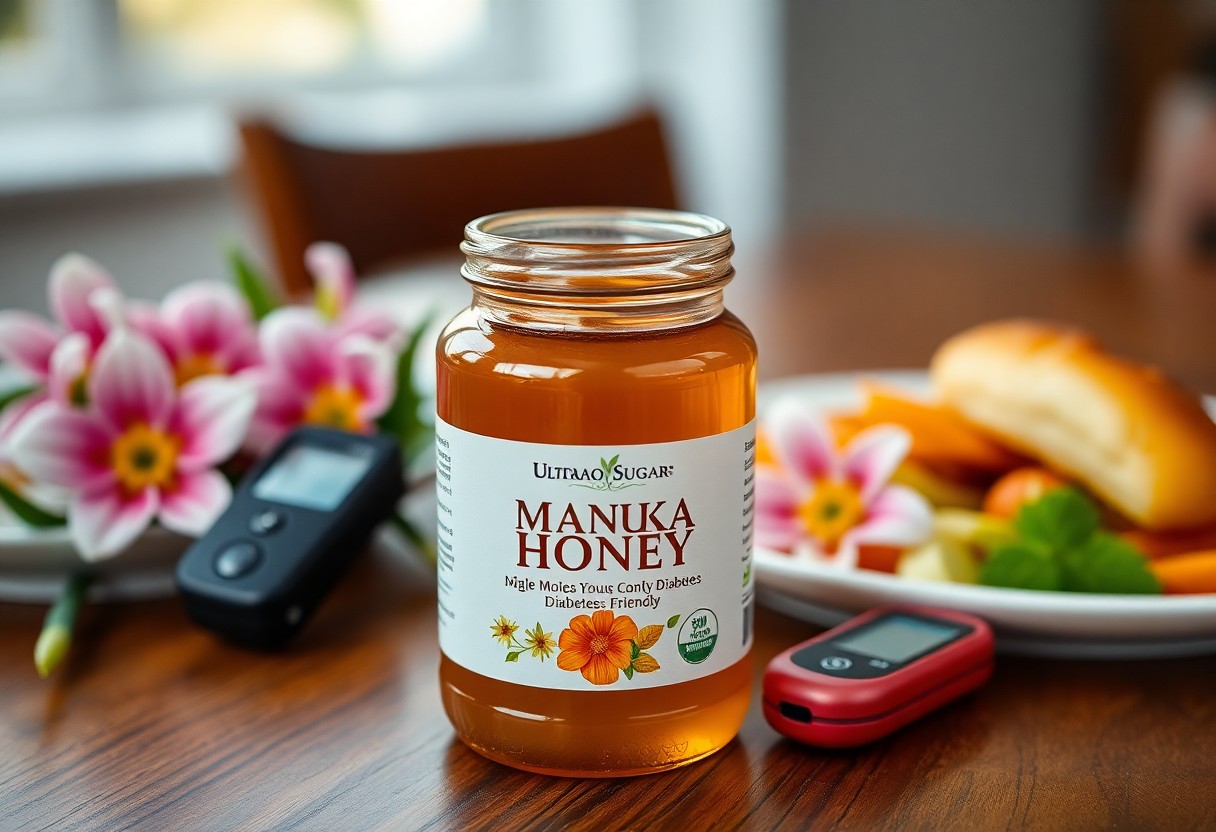
Benefits of Manuka Honey for Diabetics
The use of Manuka honey as a natural alternative for diabetics has gained significant attention in recent years. You can experience numerous health benefits by incorporating it into your diet, which can help you manage your condition more effectively.
Blood Sugar Regulation
With its low glycemic index, Manuka honey can be a healthier alternative to refined sugars, allowing you to manage your blood sugar levels more efficiently, which is especially important for you as a diabetic.
Wound Healing Properties
Beside its potential to regulate blood sugar levels, Manuka honey also possesses powerful wound healing properties, which can help you recover from injuries and infections more quickly, reducing the risk of complications associated with diabetes.
For instance, when you apply Manuka honey topically to a wound, its antibacterial and anti-inflammatory properties can help prevent infection and promote tissue repair, while also reducing pain and discomfort, making it an excellent natural remedy for you to consider as part of your diabetes management plan.
What is Manuka Honey?
Some of you may have heard of Manuka honey, but do you know what sets it apart from other types of honey? You can find it in health food stores and online, touted as a natural remedy for various ailments. As you explore the world of Manuka honey, you’ll discover its unique characteristics and potential benefits.
Origin and Production
Producing high-quality Manuka honey involves careful harvesting and processing to preserve its natural properties. You should know that Manuka honey is made from the nectar of Manuka trees, native to New Zealand, and is rich in antioxidants and other compounds that give it its distinct properties.
Unique Properties
Following the harvesting process, you’ll find that Manuka honey has a distinctive dark color and flavor. After tasting it, you may notice its earthier tone, which is due to the presence of methylglyoxal, a compound that contributes to its potential health benefits.
Considering the unique properties of Manuka honey, you may be interested to know that it has been shown to have antibacterial and antifungal properties, making it a popular choice for wound care and digestive health. As you research deeper into the world of Manuka honey, you’ll discover that it may also have anti-inflammatory effects, which could be beneficial for managing conditions like diabetes. However, it’s important to consult with a healthcare professional before using Manuka honey as a treatment for any health condition, especially if you’re taking medications or have allergies.
How Manuka Honey Compares to Traditional Treatments
There’s a growing interest in comparing Manuka honey to traditional treatments for diabetes. The following table highlights the differences:
| Treatment | Benefits |
|---|---|
| Manuka Honey | Antibacterial properties, low glycemic index |
| Traditional Medications | Fast-acting, widely available |
Pharmacological Alternatives
Any pharmacological alternatives you consider should be carefully evaluated for their potential side effects and interactions with other medications. You should consult your doctor before making any changes to your treatment plan, as they can have serious consequences on your health.
Natural Remedies
At the forefront of natural remedies for diabetes is Manuka honey, which offers a unique combination of antibacterial and antifungal properties. You can use it as a natural sweetener to manage your blood sugar levels.
To further understand the benefits of natural remedies like Manuka honey, you should investigate the scientific evidence supporting their use. By doing so, you can make an informed decision about whether Manuka honey is a suitable addition to your diabetes management plan, and minimize potential risks associated with its use.
Using Manuka Honey in Diabetes Management
Unlike traditional sugars, Manuka honey has unique properties that may benefit your health. If you’re wondering Is Honey Good For Diabetics?, consider its potential as a natural sweetener. You can explore ways to incorporate it into your diet, but always consult your doctor first.
Dietary Incorporation
Prior to adding Manuka honey to your meals, consider your daily sugar intake and blood sugar levels. You should start by replacing refined sugars with small amounts of Manuka honey to avoid spikes in blood sugar.
Topical Applications
Utilizing Manuka honey topically can aid in wound healing, which is particularly beneficial for diabetics prone to foot ulcers. You can apply it directly to minor cuts and scrapes to promote tissue repair.
Manuka honey’s antibacterial properties make it an excellent topical treatment for infected wounds. As you explore its uses, be aware of potential allergic reactions and always consult your doctor before applying it to open wounds, especially if you have sensitive skin or allergies.
Potential Risks and Considerations
After considering the benefits of Manuka honey for diabetics, it’s imperative to weigh the potential risks. You should be aware of the possible drawbacks to ensure your safety while using this natural alternative.
Allergic Reactions
One of the primary concerns is an allergic reaction, which can cause severe symptoms such as hives, itching, and difficulty breathing. You may want to start with a small amount to test your tolerance.
Interactions with Medications
Behind the benefits of Manuka honey lies the potential for interactions with your medications. You should be cautious when consuming Manuka honey, especially if you are taking blood thinners or diabetes medications.
A key aspect to consider is that Manuka honey can lower blood sugar levels, which may interact with your diabetes medications. As you explore the benefits of Manuka honey, you must consult your doctor to discuss the potential risks and benefits and determine the best course of action for your specific situation, ensuring your safety and optimal health.
Current Research and Findings
For those interested in the potential benefits of Manuka honey for diabetics, current research offers promising insights. You can explore various studies that examine its effects on blood sugar levels and overall health.
Scientific Studies
Prior to making any conclusions, you should consider the existing scientific evidence. You will find that some studies suggest Manuka honey may have antibacterial and anti-inflammatory properties, which can be beneficial for diabetics.
Expert Opinions
On the subject of Manuka honey’s effectiveness, you may want to consider expert opinions. You will discover that many experts agree on its potential to help manage blood sugar levels and improve overall wellbeing.
For instance, as you investigate deeper into the opinions of experts, you will find that they often emphasize the importance of high-quality Manuka honey and proper dosage to achieve the desired effects. You should be aware of the potential risks of interactions with medications and allergic reactions, and always consult with your healthcare provider before using Manuka honey as a natural alternative. By doing so, you can make an informed decision about whether Manuka honey is a suitable addition to your diabetes management plan.
Conclusion
On the whole, as you explore Manuka honey as a natural alternative for managing diabetes, you will find that it offers several potential benefits. You can consider incorporating it into your diet to help regulate your blood sugar levels and improve your overall well-being. With its unique properties, you may find that Manuka honey becomes a valuable addition to your health regimen, helping you to better manage your condition and maintain a healthier lifestyle. Your health journey can benefit from this natural sweetener.
FAQ
Q: What are the benefits of Manuka honey for diabetics?
A: Manuka honey is a natural alternative for diabetics due to its unique properties. It has antibacterial and anti-inflammatory properties, which can help with wound healing and preventing infections. Additionally, Manuka honey has a low glycemic index, which means it does not raise blood sugar levels as much as refined sugars. This makes it a great option for diabetics to use as a natural sweetener. Furthermore, Manuka honey contains antioxidants and has been shown to have anti-inflammatory properties, which can help to reduce the risk of complications associated with diabetes.
Q: How can diabetics incorporate Manuka honey into their diet?
A: Diabetics can incorporate Manuka honey into their diet in a variety of ways. It can be used as a natural sweetener in place of refined sugars in foods and beverages. Manuka honey can also be used topically to aid in wound healing and prevent infections. When consuming Manuka honey, it is vital to choose a high-quality, pure Manuka honey that is free from additives and impurities. It is also important to consult with a healthcare professional before making any changes to your diet, especially if you have diabetes. Start with a small amount and monitor your blood sugar levels to ensure that Manuka honey does not affect your blood sugar control.
Q: Is Manuka honey safe for all diabetics to use?
A: While Manuka honey is a natural and relatively safe product, it is not suitable for all diabetics. Diabetics with severe allergies or sensitivities should exercise caution when using Manuka honey. Additionally, diabetics who are taking certain medications, such as blood thinners, should consult with their healthcare professional before using Manuka honey. It is also vital to note that Manuka honey is not a replacement for medical treatment or insulin therapy. Diabetics should continue to follow their prescribed treatment plan and monitor their blood sugar levels regularly. Pregnant or breastfeeding women with diabetes should also consult with their healthcare professional before using Manuka honey. By taking the necessary precautions and consulting with a healthcare professional, diabetics can safely incorporate Manuka honey into their diet and potentially experience its benefits.

