
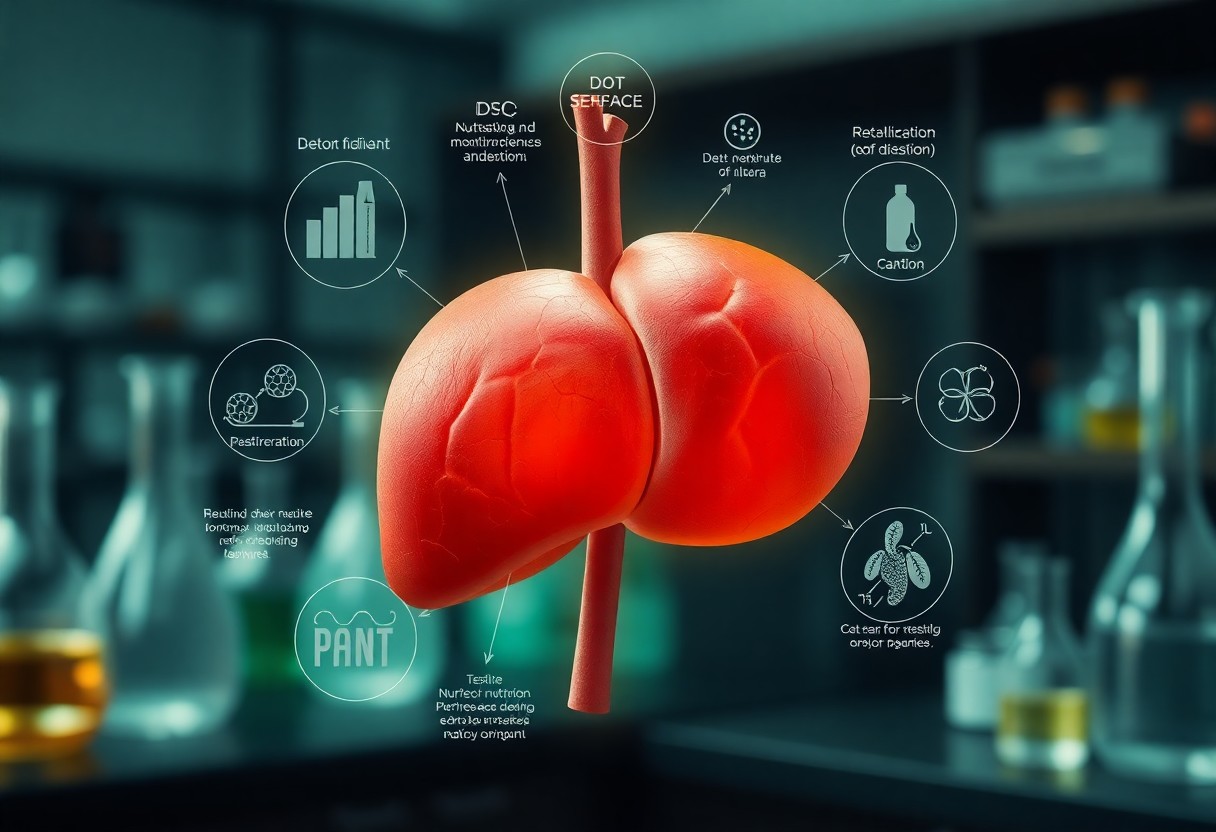
Detoxing your liver is vital for maintaining optimal health, as this organ plays an imperative role in filtering toxins from your bloodstream. By understanding how your body naturally cleanses itself, you can assist your liver in performing its functions more effectively. This post will explore the critical processes involved in liver detoxification, the importance of nutrients in supporting these functions, and how lifestyle choices can either aid or hinder your body’s ability to cleanse. Equip yourself with the knowledge to make informed decisions for your liver health.
The Anatomy of the Liver
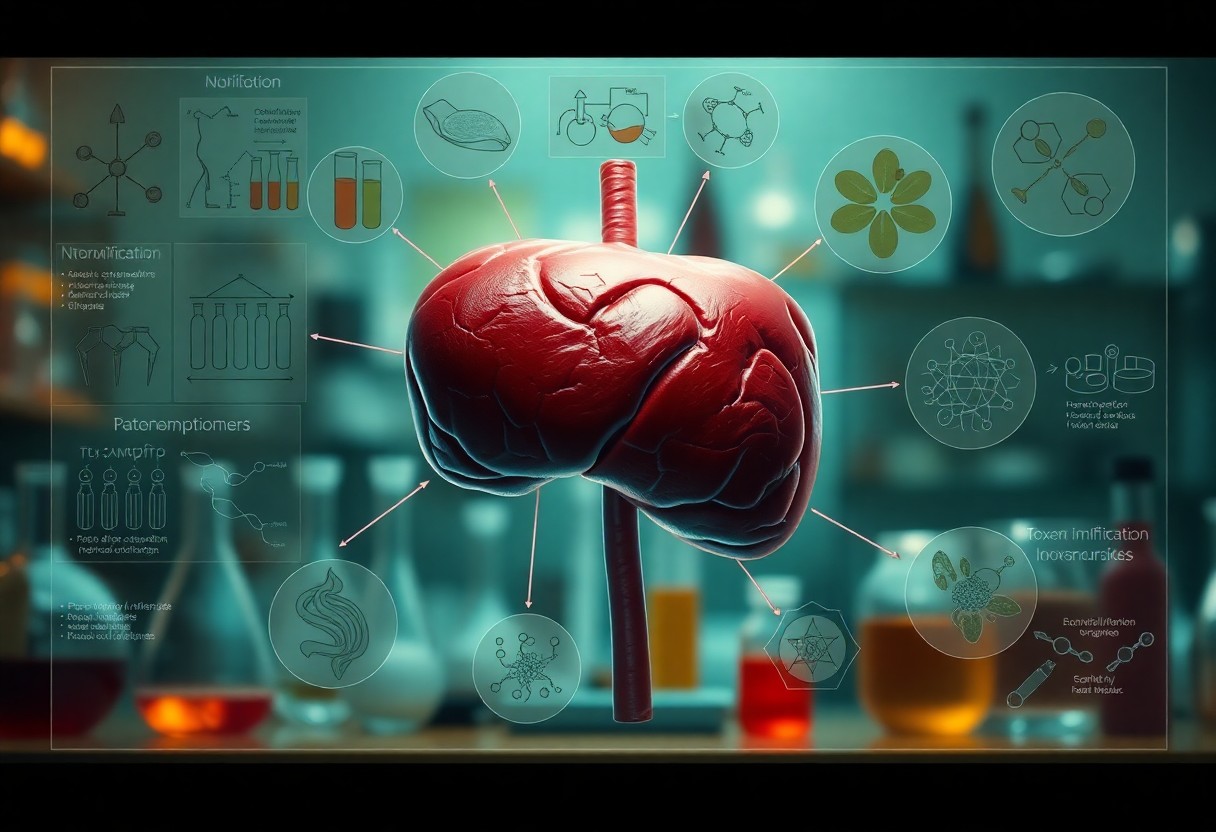
To understand how your liver detoxifies your body, it is important to explore its anatomy. The liver is the body’s largest internal organ, located in the upper right abdomen. It is divided into two main lobes and has a rich blood supply, receiving blood from both the hepatic artery and the portal vein. The liver is made up of specialized cells called hepatocytes, which perform vital functions in filtering toxins and producing necessary proteins, enzymes, and bile.
Structure and Function
Across the liver, millions of hepatocytes work tirelessly to perform various metabolic processes. The liver’s architecture includes lobules, which are the functional units of the organ. Each lobule contains a central vein surrounded by rows of hepatocytes, bile ducts, and blood vessels. This complex structure allows the liver to efficiently process nutrients, filter blood, and produce biochemicals needed for digestion and detoxification.
The Liver’s Role in Detoxification
To appreciate your liver’s detoxification capabilities, consider its ability to neutralize potentially harmful substances. Your liver acts as a filtration system, converting toxins into less harmful compounds, which are either eliminated through bile or transformed into water-soluble substances excreted through urine.
Anatomy is key to understanding the liver’s role in detoxification. The liver processes drugs, alcohol, and metabolic waste, transforming them into safer compounds for your body. Enzymes produced by the liver, known as cytochrome P450 enzymes, are instrumental in this process. They modify the structure of toxins, making them more water-soluble and easier to eliminate. Furthermore, your liver is capable of regenerating itself, allowing it to maintain its detoxification functions even after damage. Being mindful of factors that impact your liver health can significantly enhance your body’s natural cleansing processes.
The Detoxification Process
Assuming you are familiar with how your body handles toxins, the detoxification process primarily occurs in the liver, where substances are broken down and prepared for excretion. This complex series of reactions transforms harmful compounds into safer, more water-soluble forms, allowing your body to effectively remove them. Understanding this process can empower you to support liver function and promote overall well-being.
Phase I: Conversion and Modification
By initiating the detoxification journey, Phase I focuses on converting fat-soluble toxins into less harmful, more reactive forms. Enzymes, particularly those from the cytochrome P450 family, play a key role in this stage. During this phase, the liver modifies toxins through oxidation, reduction, or hydrolysis, preparing them for further processing in Phase II.
Phase II: Conjugation and Elimination
Among the critical steps in detoxification, Phase II involves conjugation, where the liver attaches small molecules to the modified toxins from Phase I. This process enhances the water solubility of harmful substances, making them easier for your body to excrete through urine or bile. Effectively functioning Phase II is imperative for optimal detoxification and overall health.
At this stage, your liver performs conjugation processes such as sulfation, glucuronidation, and acetylation, which further aid in neutralizing and properly eliminating toxins from your body. If these pathways are impaired, it may lead to the accumulation of harmful substances, potentially resulting in negative health effects. Supporting these detoxification pathways through a balanced diet rich in antioxidants and nutrients can bolster your liver’s capacity to eliminate toxins efficiently, promoting your overall wellness.
Factors Influencing Liver Health
While many aspects can influence your liver health, understanding these key factors is crucial for maintaining optimal function. Consider the following influences:
- Diet
- Alcohol Consumption
- Medications
- Exercise
- Weight Management
Thou must be vigilant about your choices to support your liver’s vital processes.
Diet and Nutrition
Factors like a balanced diet and proper nutrition play a major role in liver health. Consuming a variety of nutrient-dense foods while limiting processed sugars and unhealthy fats supports your liver’s ability to detoxify effectively.
Lifestyle Choices
Among the different aspects affecting liver health, your lifestyle choices significantly shape its wellbeing. Making informed decisions about your daily habits can enhance your liver’s function and overall health.
Indeed, lifestyle choices like regular exercise and moderate alcohol consumption have a profound impact on your liver health. Engaging in consistent physical activity helps maintain a healthy weight, reducing the risk of fatty liver disease. Additionally, limiting alcohol intake decreases the strain on your liver, while avoiding illegal drugs further protects against potential damage. Adopting stress-management techniques can also support liver function by minimizing the negative effects of toxins in your body.
Common Myths About Liver Detox
All too often, misconceptions about liver detoxification circulate, leading to misunderstandings about how your body naturally cleanses. Many people believe that detox diets can completely purge your liver of toxins, while in reality, your liver is fully equipped to perform this function effectively on its own. Additionally, some feel that detox programs can significantly enhance liver function, but evidence supporting this is often limited, creating a false sense of need for these remedies.
Misconceptions About Detox Diets
Common myths surrounding detox diets suggest that they offer quick fixes for weight loss and toxin elimination, often leading you to believe that drastic dietary changes will instantly improve your health. In reality, your body is designed to detoxify naturally through organs like the liver and kidneys, and sustainable health requires balanced, nutritious eating rather than temporary, extreme measures.
The Role of Supplements
Detox supplements are often marketed as solutions to enhance liver health and support detoxification processes. However, it’s crucial to approach these products with caution, as many lack sufficient scientific backing. While some supplements may contain beneficial ingredients, others might have questionable safety profiles or could even interfere with your body’s natural functions.
Understanding the role of supplements in liver detox can help you make informed choices. While certain supplements, like milk thistle and dandelion root, have shown potential liver-supportive properties, you should prioritize a healthy diet and lifestyle first. Be aware that some supplements may offer little to no benefits and can potentially be harmful. Always consult with a healthcare professional before adding any new supplements to your routine to ensure they align well with your individual health needs.
Signs of Liver Dysfunction
For optimal health, recognizing the signs of liver dysfunction is vital. Symptoms such as fatigue, jaundice, abdominal pain, and changes in appetite may indicate that your liver is struggling to function properly. Your liver plays a vital role in detoxification and metabolism, so being aware of these warning signs can help you take control of your health.
Symptoms to Watch For
Along with noticeable symptoms like dark urine and pale stool, you should also be aware of persistent itchiness and swelling in the abdomen or legs. These can signal underlying liver issues that require immediate attention. Monitoring your body’s signals is key to maintaining liver health.
When to Seek Medical Advice
After observing any concerning symptoms, it is important to take prompt action. Ignoring these signs could lead to progression of liver dysfunction and its associated complications.
Even mild symptoms can develop into more serious conditions. Conditions such as cirrhosis or liver failure often start with subtle symptoms. If you experience symptoms like severe abdominal pain, persistent jaundice, or significant weight loss, you should consult a healthcare professional without delay. Taking proactive steps can protect your liver and overall well-being.
Supporting Liver Health Naturally
Not only is the liver vital for detoxification, but you can also support its health through natural means. Incorporating specific dietary choices and healthy lifestyle practices can enhance your liver’s ability to function optimally. By focusing on what you consume and how you live, you can nourish your body and help your liver perform its vital roles more effectively.
Dietary Recommendations
By incorporating a diet rich in fruits, vegetables, whole grains, and lean proteins, you can promote liver health. Foods like leafy greens, beetroot, and garlic are particularly beneficial. Additionally, reducing processed foods, added sugars, and alcohol can significantly lessen the burden on your liver.
Healthy Lifestyle Practices
Liver health is also enhanced by adopting healthy lifestyle practices. This includes regular exercise, staying hydrated, and managing stress levels. Incorporating physical activity helps to maintain a healthy weight, which is important for liver function, while adequate hydration aids in flushing out toxins. Moreover, managing your stress through techniques like meditation or yoga can further support your body’s natural detox processes.
Due to the demands of modern life, it’s important to prioritize stress management techniques to protect your liver. Chronic stress can lead to hormonal imbalances and promote unhealthy behaviors, such as overeating or alcohol consumption, which can *negatively affect liver health*. By engaging in mindfulness practices and ensuring adequate rest, you enhance your overall well-being. Consider activities like jogging, dance, or even walking, to positively impact both your mental and physical health, thus creating a supportive environment for your liver to thrive.
Final Words
Taking this into account, understanding the science behind liver detoxification empowers you to make informed choices about your health. Your liver plays a vital role in filtering toxins, processing nutrients, and producing imperative proteins. By supporting its function through a balanced diet, hydration, and healthy lifestyle habits, you enhance your body’s natural detox processes. Embracing these practices not only promotes liver health but contributes to your overall well-being, enabling you to feel your best.
Q: What is the liver’s role in detoxification, and how does it cleanse the body?
A: The liver is a vital organ responsible for filtering toxins from the blood. It processes nutrients and metabolizes drugs, alcohol, and waste products. The liver uses enzymes to convert harmful substances into less harmful compounds that are either excreted in bile or passed through the urine. By transforming these toxins into safer forms, the liver effectively cleanses the body and maintains overall health.
Q: What are the signs that my liver might need a detox or care?
A: Common signs that may indicate your liver needs attention include fatigue, unexplained weight gain, digestive issues, skin problems, or increased sensitivity to alcohol. Additionally, if you experience frequent headaches, mood swings, or a yellowish tint to your skin or eyes (jaundice), it is crucial to consult a healthcare professional to assess liver function and determine if any detoxification support is necessary.
Q: Are there natural ways to support liver health and enhance detoxification?
A: Yes, there are several natural methods to support liver health. Incorporating foods rich in antioxidants, such as leafy greens, berries, and nuts can help reduce oxidative stress. Staying well-hydrated by drinking water and herbal teas aids in flushing toxins. Regular physical activity promotes good circulation and metabolism, while limiting alcohol intake and avoiding excessive processed foods can reduce the burden on the liver. Additionally, herbal supplements like milk thistle and dandelion root are thought to support liver function, but it’s advisable to consult a healthcare provider before starting any new supplement regimen.

