
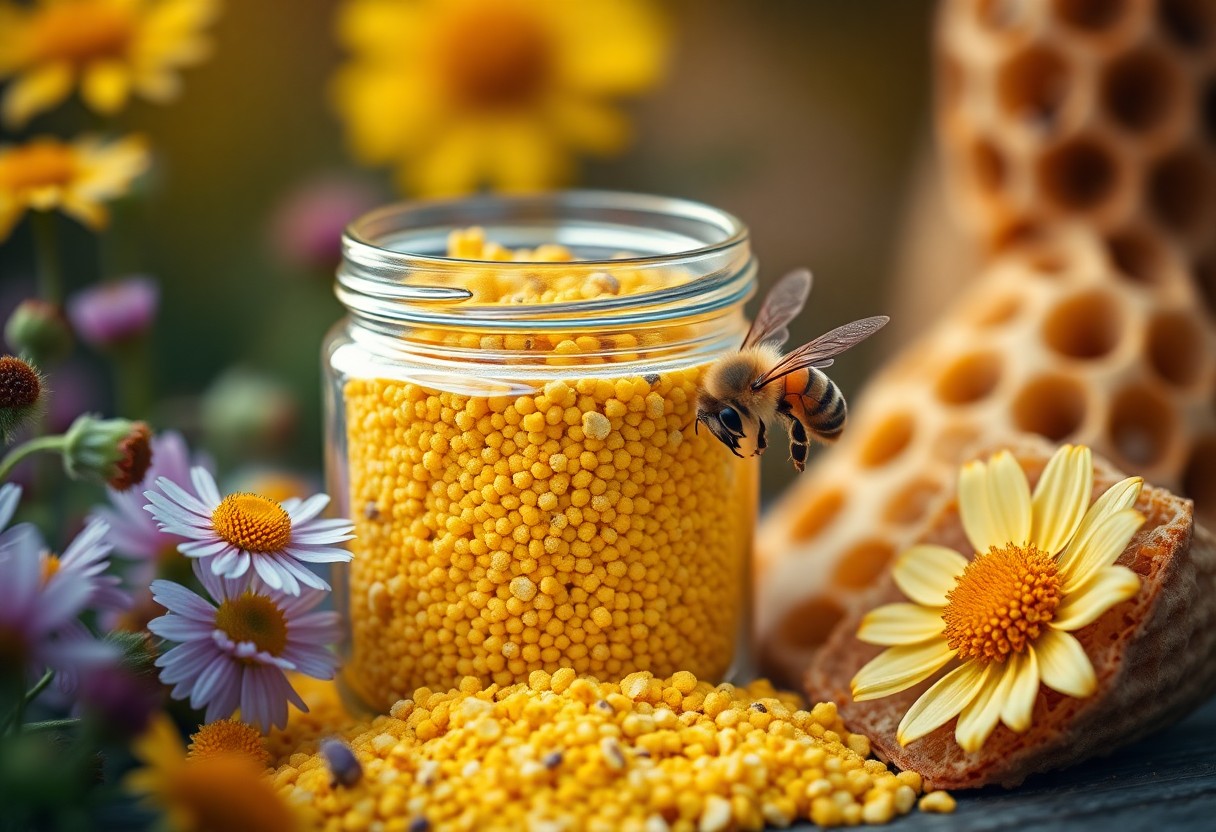
As you consider alternative solutions to manage your allergies, you may have come across bee pollen as a potential remedy. But can it really help alleviate your debilitating symptoms? You may be surprised to learn that bee pollen has been used for centuries to treat various health issues, including allergies. With its potent anti-inflammatory properties, bee pollen may be just what you need to reduce your reliance on medication and breathe easier.
What Are Allergies
The term “allergy” refers to an overreaction of your immune system to a foreign substance. When you have an allergy, your body’s defenses mistakenly identify a harmless substance as a threat, leading to a range of symptoms.
Causes and Symptoms
Causing discomfort and distress, allergies can be triggered by a variety of factors, including genetics and environmental factors, and can lead to symptoms such as hives and itching.
Common Types of Allergies
Characterized by an overreaction to specific substances, common types of allergies include:
- Pollen allergy
- Dust allergy
- Food allergy
After identifying your allergies, you can take steps to manage them.
| Type | Symptoms |
|---|---|
| Pollen | Sneezing, runny nose |
| Dust | Coughing, wheezing |
| Food | Hives, digestive issues |
| Insect | Swelling, redness |
| Pet | Itching, tearing eyes |
It is important to understand that you can experience severe allergic reactions, which can be life-threatening. After knowing the types of allergies, you can take necessary precautions to avoid exposure to allergens. Importantly, you should consult a doctor if you experience any symptoms.
Bee Pollen Basics
Clearly, to understand how bee pollen can help with allergies, you need to know more about it. You can find detailed information about Bee Pollen Benefits online, which will help you make an informed decision about using it for your allergy issues.
What is Bee Pollen
One of the first things you should know is that bee pollen is a mixture of pollen collected by bees from various plants, and it’s often referred to as a superfood due to its high nutritional value.
Nutritional Benefits
Among the many benefits of bee pollen, you’ll find that it’s rich in proteins, vitamins, and minerals, making it a great supplement to add to your diet, especially if you’re looking to boost your energy levels and immune system.
Another key aspect of bee pollen’s nutritional benefits is its antioxidant properties, which can help protect your cells from damage caused by free radicals, and as you consider using bee pollen to help with your allergies, you should be aware of the potential side effects, such as allergic reactions, and always consult with a healthcare professional before adding it to your regimen, especially if you have a history of severe allergies.
The Connection Between Allergies and Bee Pollen
Even if you’re not familiar with bee pollen, you may have heard of its potential to alleviate allergy symptoms. As you explore the relationship between allergies and bee pollen, you’ll discover that it has been used for centuries to promote overall health and wellbeing.
Historical Use of Bee Pollen for Allergies
Correspondingly, the connection between bee pollen and allergies has been acknowledged in traditional medicine, where it was used to treat various ailments, including respiratory issues and skin conditions, by enhancing your body’s natural defenses.
Scientific Research on Bee Pollen’s Effects
Pertaining to the effects of bee pollen, you should know that research suggests it may have anti-inflammatory properties that can help alleviate allergy symptoms, although more studies are needed to fully understand its potential benefits and possible side effects.
Allergies can be severe and even life-threatening, so it’s imperative to approach any new treatment with caution and consult with a healthcare professional before using bee pollen or any other supplement to manage your symptoms and improve your quality of life.
How Bee Pollen May Help with Allergies
For individuals suffering from allergies, bee pollen may offer some relief. You may find that it helps to alleviate your symptoms, but it’s vital to consult with a healthcare professional before using it as a treatment.
Reducing Inflammation
Against the backdrop of allergic reactions, bee pollen’s anti-inflammatory properties may help to reduce swelling and ease congestion. You can try incorporating it into your diet to see if it helps to minimize your allergic responses.
Boosting the Immune System
Systematically, your immune system works to protect you from harm, and bee pollen may help to support its function. You can use it to help your body fight off infections and reduce allergy symptoms.
Also, as you consider using bee pollen to boost your immune system, keep in mind that it’s rich in vitamins and minerals that are vital for overall health. You may find that it helps to enhance your energy levels and improve your overall well-being, making it a valuable addition to your allergy treatment plan.
Potential Risks and Side Effects
Your health is a top priority, and when considering bee pollen as a treatment for allergies, it’s important to be aware of the potential risks and side effects. You may experience adverse reactions, and it’s vital to monitor your body’s response.
Allergic Reactions to Bee Pollen
Above all, you should be cautious when introducing bee pollen into your diet, as it can cause severe allergic reactions in some individuals. You may experience hives, itching, or swelling, which can be life-threatening in extreme cases.
Interactions with Medications
With bee pollen, you need to be mindful of potential interactions with other medications, particularly blood thinners. You should consult your doctor before taking bee pollen, especially if you’re already taking prescription medications.
Plus, you should be aware that bee pollen can interact with diabetic medications, affecting your blood sugar levels. You may need to adjust your dosage or monitor your blood sugar levels closely to avoid complications. It’s important to consult your doctor to ensure your safety and avoid any adverse interactions.
Incorporating Bee Pollen into Your Diet
Many people consider adding bee pollen to their diet to alleviate allergy symptoms. You can find bee pollen in various forms, making it easy to incorporate into your daily routine. By adding it to your food or taking it as a supplement, you can potentially reduce inflammation and boost your immune system.
Forms of Bee Pollen Supplements
Prior to choosing a bee pollen supplement, you should consider the different forms available. You can find bee pollen in capsule, tablet, or raw form, each with its own benefits and drawbacks. Considering your personal preferences and needs will help you decide which form is best for you.
Recommended Dosage
Above all, it is important to follow the recommended dosage when taking bee pollen supplements. You should start with a small amount, typically 1/4 teaspoon, and gradually increase as your body adjusts. This will help you avoid potential allergic reactions.
Your dosage may vary depending on your individual needs and health status. As you take bee pollen, you should monitor your body’s response and adjust your dosage accordingly. It is also important to note that pregnant or breastfeeding women should consult their doctor before taking bee pollen supplements, as it may interact with medications or have other adverse effects. By being mindful of your dosage and potential interactions, you can safely and effectively use bee pollen to alleviate your allergy symptoms.
Final Words
Ultimately, you now have a better understanding of how bee pollen can impact your allergies. You can consider incorporating it into your diet to potentially alleviate your symptoms. Your decision to try bee pollen should be based on your individual needs and health status. You should consult with a healthcare professional before starting any new treatment, and monitor your body’s response to bee pollen to ensure it is a safe and effective solution for your allergies.
FAQ
Q: What is bee pollen and how does it relate to allergies?
A: Bee pollen is a fine powder produced by bees as they collect nectar from flowers. It contains a mixture of proteins, vitamins, and minerals, and has been suggested to have various health benefits, including the potential to help alleviate allergy symptoms. The idea behind using bee pollen to help with allergies is that it may desensitize the body to specific allergens, thereby reducing the severity of allergic reactions over time.
Q: Can bee pollen really help with allergies, and what kind of allergies might it be effective for?
A: While the evidence is largely anecdotal and more research is needed, some people believe that consuming small, gradually increasing amounts of local, raw bee pollen can help build up a tolerance to the allergens present in the pollen, such as those from trees, grasses, and weeds. This approach is often referred to as immunotherapy or allergy desensitization. It might be particularly useful for seasonal allergies, such as hay fever, but its effectiveness can vary greatly from person to person.
Q: How should I start taking bee pollen for allergy relief, and are there any precautions I should take?
A: If you’re considering taking bee pollen to help with your allergies, it’s important to start with a very small dose and gradually increase it over time to monitor your body’s reaction. It’s also key to source high-quality, local, and raw bee pollen to ensure it contains the specific allergens you’re exposed to. Additionally, consult with a healthcare professional before beginning any new supplement regimen, especially if you have severe allergies or are considering it for a child. They can provide personalized advice and help you weigh the potential benefits against any risks, such as allergic reactions to the pollen itself.

