
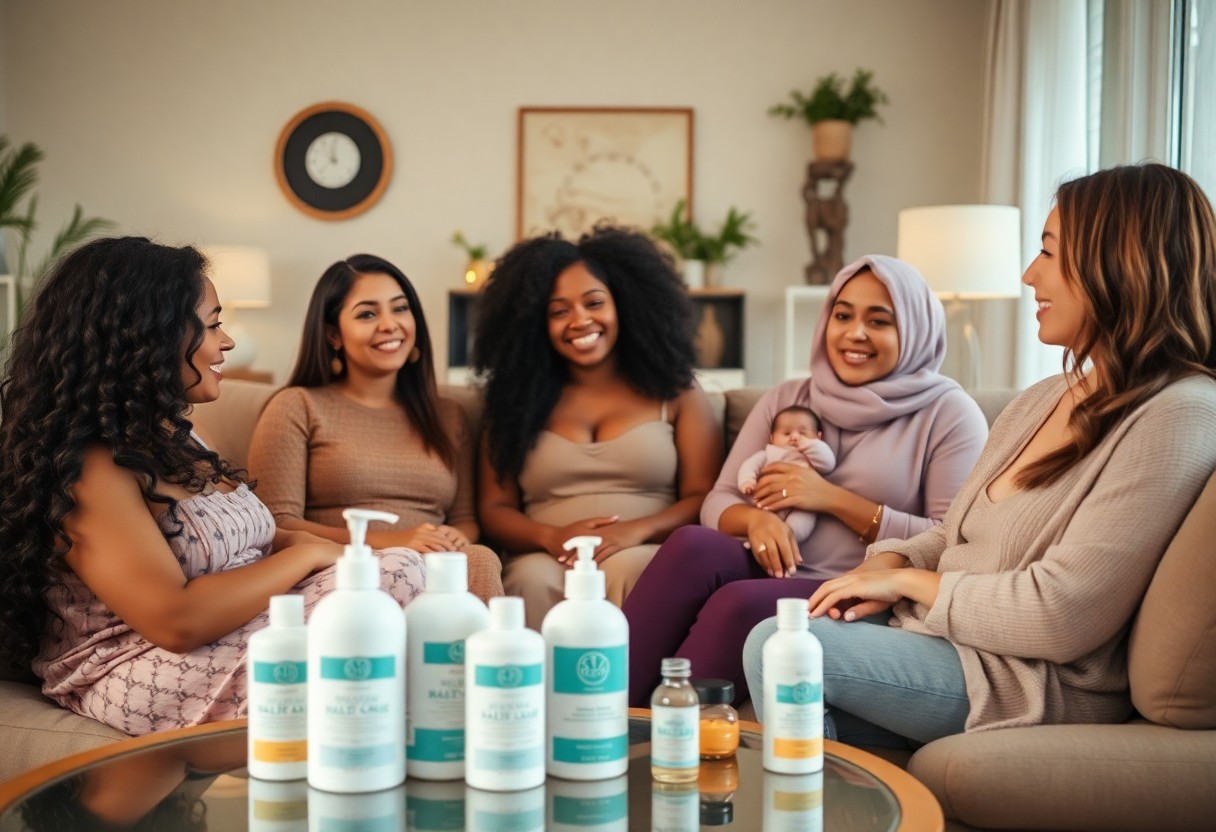
As you navigate the challenges of new motherhood, you may notice excessive hair shedding after pregnancy, which can be alarming. You are not alone, as up to 50% of women experience postpartum hair loss. This condition is usually temporary, but it can be distressing. You can take control of your hair health by exploring effective treatment options, such as dietary changes, supplements, and medical treatments, to help regrow your hair and boost your confidence.
Key Takeaways:
To address postpartum hair loss, several effective treatment options are available. Here are the main points to consider:
- Medical Treatments: Options like Minoxidil (Rogaine) are commonly prescribed to stimulate hair growth and slow down hair loss. These treatments can be applied topically to the scalp.
- Nutritional Supplements: Ensuring adequate intake of Vitamins and Minerals such as iron, zinc, and biotin through supplements can help promote hair growth and reduce shedding.
- Lifestyle Changes: Maintaining a Healthy Diet, reducing Stress, and using Gentle Hair Care products can also contribute to minimizing postpartum hair loss and supporting overall hair health.
Causes of Postpartum Hair Loss
A significant amount of hair loss after pregnancy can be alarming, but knowing the causes can help you address the issue. You may experience excessive shedding due to various factors.
Hormonal Changes
Beside the physical changes you experience after pregnancy, hormonal fluctuations also play a significant role in postpartum hair loss, affecting your hair growth cycle.
Nutritional Deficiencies
For your hair to grow healthily, you need a balanced diet, and inadequate nutrition can lead to hair loss, making it crucial to maintain a healthy diet after pregnancy.
Changes in your diet after pregnancy can significantly impact your hair health, and deficiencies in vitamins and minerals such as iron, zinc, and biotin can cause severe hair loss, which you can prevent by consuming a balanced diet rich in these crucial nutrients, ensuring your overall health and healthy hair growth.
Medical Treatment Options
Some medical treatments can help you manage postpartum hair loss. You can explore various options, including medications and therapies, to promote hair growth and reduce shedding.
Medications for Hair Growth
One approach to treating postpartum hair loss is using medications that stimulate hair growth, such as minoxidil, which can help you regrow your hair and slow down further loss.
Low-Level Laser Therapy
Between other treatment options, low-level laser therapy is a non-invasive method that uses a low-level laser or light-emitting device to stimulate hair growth, and it is FDA-approved for treating hair loss.
Also, low-level laser therapy can be used in conjunction with other treatments, and it has been shown to be effective in promoting hair growth and reducing shedding, but it may have some side effects, such as skin irritation, so you should consult your doctor before starting the treatment to discuss the potential risks and benefits and determine if it’s right for you.
Natural Remedies
Despite the prevalence of postpartum hair loss, you can explore natural remedies to promote hair growth. You can try gentle hairstyles, reduce heat styling, and use gentle hair products to minimize hair loss.
Dietary Changes for Hair Health
Changes to your diet can significantly impact your hair health. You should consume foods rich in omega-3 fatty acids, vitamin E, and biotin to promote hair growth and strengthen your hair follicles.
Herbal Supplements for Hair Growth
Supplements like saw palmetto and horsetail can help block hormones that contribute to hair loss and promote hair growth. You can also consider biotin and vitamin B supplements to strengthen your hair.
Dietary deficiencies can exacerbate postpartum hair loss, so it’s important to maintain a balanced diet. When considering herbal supplements for hair growth, you should be aware of potential interactions with other medications and allergic reactions. Always consult with your healthcare provider before adding any new supplements to your routine, especially if you’re breastfeeding. A well-informed decision will help you make the most of these supplements and promote healthy hair growth.
Lifestyle Changes
Unlike other postpartum hair loss treatments, lifestyle changes are a natural and cost-effective way to promote hair growth. You can start by making simple adjustments to your daily routine, which can have a significant impact on your overall health and hair well-being.
Reducing Stress for Hair Health
For instance, finding ways to manage your stress levels can help minimize hair loss. You can try practicing relaxation techniques, such as meditation or deep breathing exercises, to reduce your stress and promote hair growth.
Improving Sleep Quality
At this stage, getting enough sleep is imperative for your overall health and hair growth. You should aim for 7-8 hours of sleep per night to help your body and hair follicles replenish and restore themselves.
Stress can exacerbate hair loss, but improving sleep quality can help mitigate this effect. As you focus on improving your sleep, you’ll notice that your hair growth will accelerate, and you’ll experience less shedding. By making these lifestyle changes, you’ll be taking a significant step towards promoting healthy hair growth and reducing postpartum hair loss.
Hair Care Tips
Not all hair care routines are created equal, especially after pregnancy. To minimize hair loss, consider the following tips:
- Gentle shampooing
. You can learn more about postpartum hair loss at Postpartum Hair Loss: Causes, Treatments & What’s Normal. After establishing a hair care routine, you will see improvements in your hair health.
Gentle Hair Care Practices
To keep your hair healthy, use gentle products and avoid excessive heat. This will help minimize hair breakage and promote hair growth.
Protective Styling for Hair Preservation
After giving birth, your hair may be more prone to breakage. Using protective styles such as buns or braids can help minimize hair loss.
Hair preservation is key during the postpartum period. You can use protective styling techniques to reduce hair shedding and promote healthy hair growth. By taking care of your hair, you can minimize the negative effects of postpartum hair loss and get back to having healthy and beautiful hair.
Prevention Methods
All new mothers experience postpartum hair loss, but there are ways to prevent or minimize it. You can take steps before and after pregnancy to reduce hair loss.
Pre-Pregnancy Hair Care
Besides a healthy diet, you should maintain good hair care habits before pregnancy, including regular trims and gentle hair products.
Postpartum Hair Care Routine
On top of a healthy lifestyle, you should establish a consistent hair care routine after giving birth, which includes minimizing heat styling and using nourishing hair masks.
For instance, you can start by gently massaging your scalp to increase blood flow and reduce stress, which can contribute to hair loss. By following these tips, you can promote healthy hair growth and minimize postpartum hair loss, making your hair stronger and more resilient.
Final Words
Upon reflecting on your postpartum hair loss, you’ll find that various treatment options are available to help you regain your hair’s health and vitality. You can consider consulting a dermatologist to determine the best course of action for your specific situation. With the right treatment and self-care, you can effectively manage and minimize your hair loss, restoring your confidence and overall well-being. By exploring these options, you’ll be able to find the best solution for your unique needs and get your hair back on track.

