
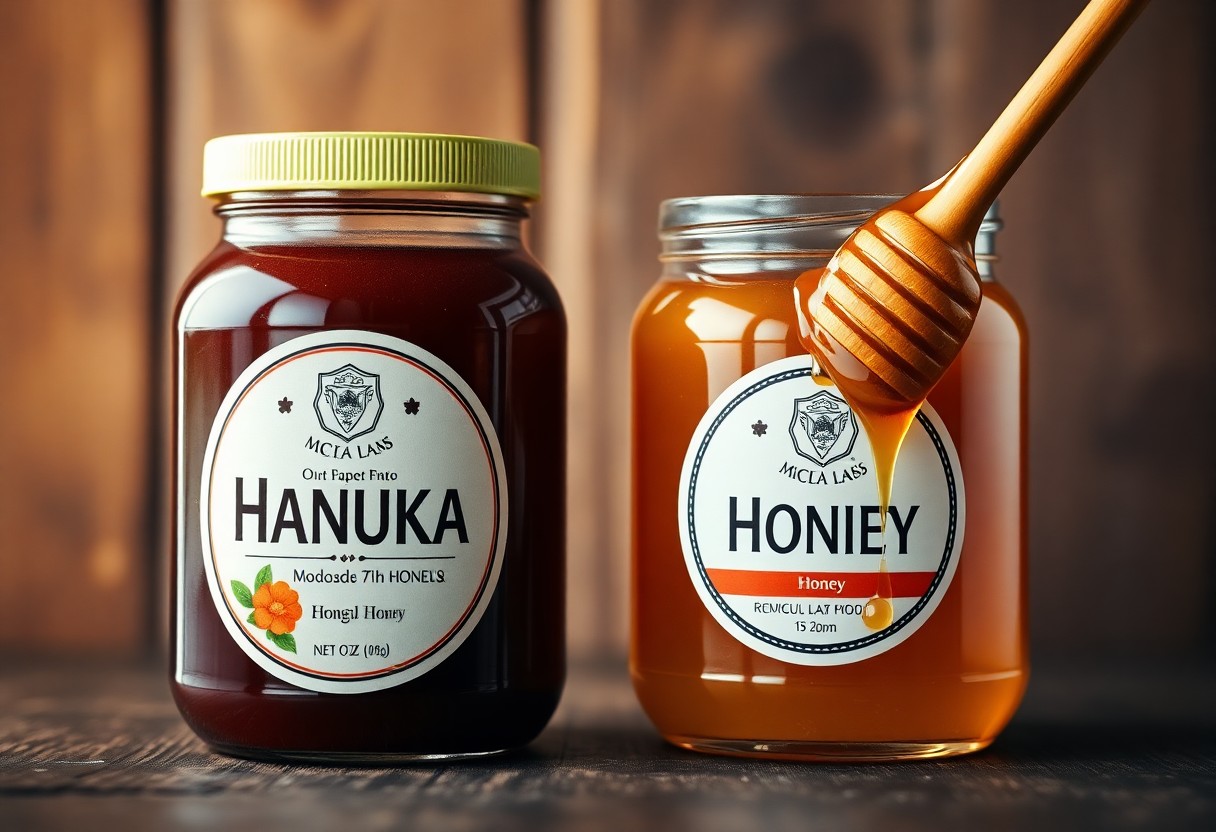
Many people underestimate the impact of honey on their health, not realizing that choosing between manuka honey and regular honey can influence your wellness significantly. While both types offer beneficial properties, manuka honey stands out due to its unique antimicrobial and anti-inflammatory effects, making it a powerful ally in boosting your immune system. Understanding these differences can help you make informed choices about what you consume to support your overall health, giving you the edge you need for a better lifestyle.
Nutritional Comparison
Before submerging into the health benefits, it’s important to understand the nutritional differences between Manuka honey and regular honey. The following table outlines key nutritional metrics to help you discern which may better suit your needs.
| Factor | Manuka Honey | Regular Honey |
|---|---|---|
| Calories (per tablespoon) | 60 | 64 |
| Sugars (g) | 17.3 | 17.3 |
| Antioxidants | Higher | Varies |
| Unique Manuka Factor (UMF) | +10 or higher | N/A |
Caloric Content
To understand their energy contribution, you should consider the caloric content. Manuka honey contains approximately 60 calories per tablespoon, while regular honey has about 64 calories. Although the difference is minimal, every calorie counts when aiming for optimal health.
Nutrient Profile
Among the various nutrients, Manuka honey stands out with its unique properties. It contains antioxidants and antimicrobial compounds that may offer added health benefits compared to regular honey, which may have fewer beneficial properties.
For instance, Manuka honey’s unique antibacterial properties are attributed to its high content of methylglyoxal (MGO), which has been shown to support immune health and may help combat infections. In contrast, regular honey largely provides simple sugars without the same therapeutic benefits, emphasizing the potential of Manuka honey as a functional food that may go beyond mere sweetness.
Health Benefits of Manuka Honey
Now, if you’re seeking natural ways to enhance your health, Manuka honey stands out due to its unique properties. This potent superfood is not only a delicious sweetener but also provides an array of benefits that can support your overall well-being, from improved digestion to enhanced immunity. Understanding its properties can help you make an informed decision for your health journey.
Antimicrobial Properties
Along with its sweet taste, Manuka honey boasts impressive antimicrobial properties that can help combat harmful bacteria. Research suggests it may be effective against a range of pathogens, making it a natural alternative for maintaining your health. Incorporating it into your diet can strengthen your body’s defenses and support a balanced microbiome.
Wound Healing and Skin Care
Manuka honey has gained a reputation for its remarkable benefits in wound healing and skin care. This natural remedy not only soothes irritated skin but also promotes healing due to its unique nutrients and antioxidant properties.
Health experts emphasize that Manuka honey contains natural antibacterial and anti-inflammatory properties, making it an excellent choice for treating wounds and skin conditions. When applied topically, it can reduce inflammation, prevent infection, and speed up skin regeneration. For optimal results, you can apply it directly to cuts, burns, or even acne-prone skin, giving your body the support it needs to heal naturally.
Health Benefits of Regular Honey
Some of the key health benefits of regular honey include its ability to provide natural energy, boost your immune system, and enhance digestion. It possesses antimicrobial properties, making it a great option for soothing sore throats or treating minor wounds. Additionally, its natural sweetness makes it a healthier alternative to refined sugars, promoting overall wellness when consumed in moderation.
Antioxidants and Nutrients
Across various types of regular honey, you’ll find an abundance of antioxidants and imperative nutrients. These components contribute to fighting oxidative stress and supporting your body’s cellular health. Regular consumption can help bolster your immune system and enhance overall vitality.
Allergy Relief
Benefits of regular honey also extend to allergy relief. This natural remedy can help alleviate symptoms associated with seasonal allergies by introducing small amounts of local pollen into your system, which may boost your body’s tolerance. Over time, this process can potentially reduce your sensitivity to allergens in your environment.
This unique approach to allergy relief makes regular honey not just a sweet treat, but also a strategic ally in managing your symptoms. If you suffer from allergens common in your area, incorporating local honey into your diet can lead to significant improvements in your comfort level. However, it’s imperative to consult with a healthcare professional before starting any new treatment to ensure it’s safe for you, especially if you have severe allergies.
Manuka Honey’s Unique Qualities
Your understanding of Manuka honey’s unique qualities is key to leveraging its health benefits. Unlike regular honey, Manuka honey is derived from the nectar of the Manuka tree in New Zealand and is renowned for its exceptional antibacterial properties. Its distinctiveness lies in the unique compounds it contains, particularly methylglyoxal (MGO), which is responsible for its powerful medicinal effects. Incorporating Manuka honey into your wellness routine can enhance your immune system, promote wound healing, and improve oral health.
UMF Rating
By understanding the UMF rating, you’ll be able to assess the quality and potency of Manuka honey effectively. This rating, which stands for Unique Manuka Factor, measures the concentration of beneficial compounds, such as MGO, in the honey. A UMF rating of 10 or higher indicates that the honey has significant therapeutic properties, ensuring that you are investing in a product that delivers authentic health benefits.
Potency and Purity
Any evaluation of Manuka honey’s potency and purity reveals why it is a superior choice when compared to regular honey. Genuine Manuka honey is lab-tested and verified to ensure that it meets high standards of quality and efficacy. Exploring its purity ensures you receive honey rich in bioactive compounds, making it a potent ally for your health.
This emphasis on potency and purity sets Manuka honey apart from its regular counterparts. Not only does genuine Manuka honey carry higher concentrations of methylglyoxal (MGO), but it is also subject to rigorous testing for authenticity. This process guarantees that what you are consuming is free from contamination and that it meets strict quality standards. When you choose pure Manuka honey, you can trust that you’re investing in a product with superior health benefits, including enhanced antimicrobial properties and potential healing impacts for wounds and digestive issues.
Regular Honey Varieties
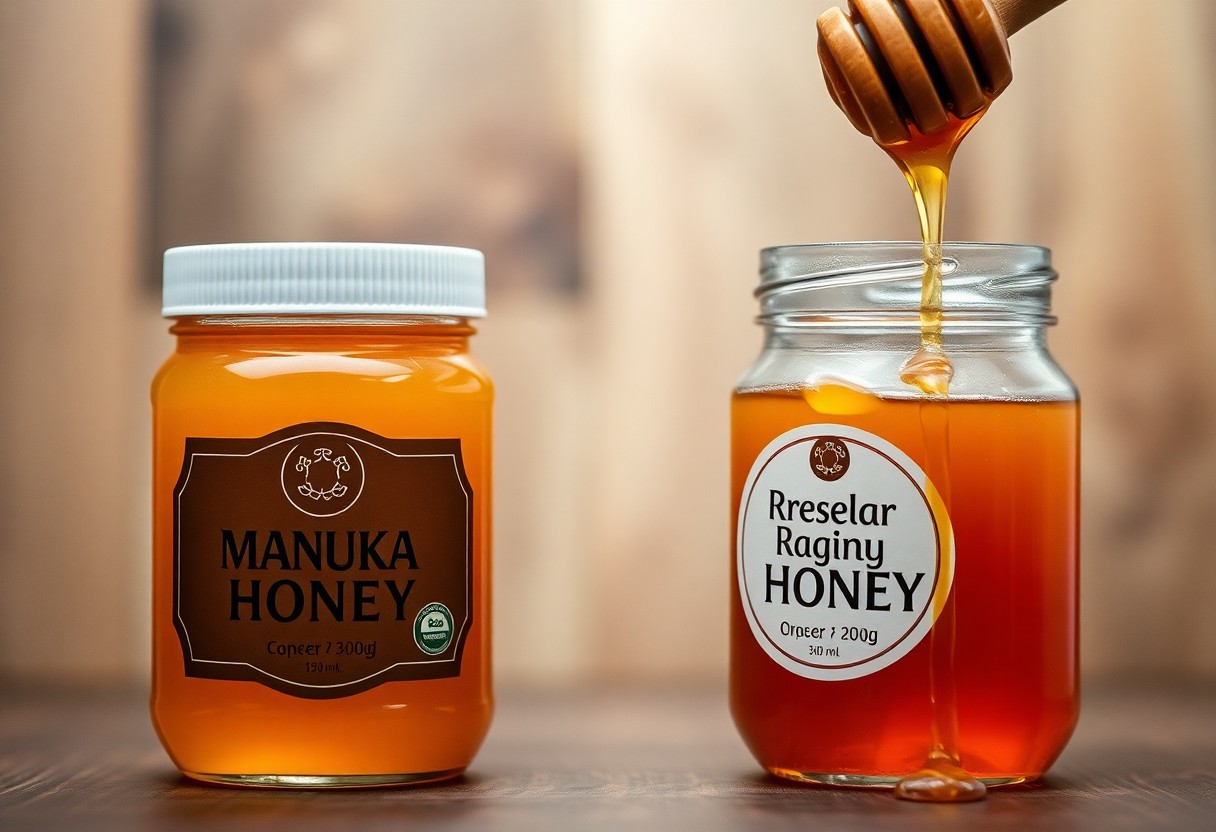
Keep in mind that regular honey comes in various types, each offering its own unique flavor and benefits. Depending on the flowers from which the bees collect nectar, you can enjoy distinct taste profiles and characteristics. Knowing these varieties helps you make informed choices about which honey best suits your needs.
Types of Regular Honey
- Wildflower Honey
- Clover Honey
- Manuka Honey
- Orange Blossom Honey
- Eucalyptus Honey
Assume that each type of honey caters to different tastes and potential health benefits.
| Type | Main Flavor Profile |
| Wildflower Honey | Robust and varied |
| Clover Honey | Light and mild |
| Manuka Honey | Earthy and rich |
| Orange Blossom Honey | Citrusy and sweet |
| Eucalyptus Honey | Herbaceous and strong |
How to Choose Quality Honey
Choose honey that is labeled as raw or unfiltered, as these types retain more of their natural nutrients and enzymes. Look for honey sourced from a single floral source for unique flavors and benefits. Checking for certifications, such as USDA Organic, can also ensure quality. Avoid honey with added sugars or artificial flavors to enjoy the authentic taste and health advantages.
Varieties of honey can range greatly in quality, so you want to be discerning. Raw honey is less processed, retaining healthy properties like antioxidants and enzymes. Beware of commercial honey, as it may contain additives or be excessively heated. For an optimal experience, consider local honey, which can provide allergy relief depending on your region. Always check labels and research brands to ensure you’re getting genuine honey that offers real benefits.
Possible Risks and Considerations
To make an informed choice between Manuka honey and regular honey, it is vital to understand the potential risks and considerations associated with each. Always consult with a healthcare professional, especially if you have specific health concerns or conditions. For more insights, you can check out Manuka Honey vs. Raw Honey: Key Differences.
Allergies and Sensitivities
Sensitivities to honey can vary greatly, with some individuals experiencing allergic reactions, especially to Manuka honey. If you have a known allergy to bee products or experience any adverse reactions, discontinue use immediately and consult your doctor. Make sure to prioritize your safety over health trends.
Sugar Content and Dietary Impact
Risks associated with honey consumption largely stem from sugar content. Both Manuka and regular honey are sweet substances, containing high levels of natural sugars that can impact your blood sugar levels. Caution is advised if you have diabetes or are monitoring your sugar intake. While honey has some health benefits, it also contributes significantly to your daily caloric intake. If consumed excessively, the additional calories from honey may lead to weight gain or other health issues. Always balance your diet to support your health goals.
Dietary choices should be made with careful consideration regarding sugar content. While honey contains natural sugars that can provide a quick energy boost, relying heavily on it can lead to spikes in insulin levels and potential long-term health complications such as weight gain or insulin resistance. It’s advisable to incorporate honey in moderation, using it as a supplement to a balanced diet rather than a primary sweetener. By being mindful of your consumption, you can enjoy the benefits without compromising your health.
Final Words
With these considerations, you can make informed choices about including honey in your diet for optimal health. While regular honey offers general benefits, Manuka honey provides superior antibacterial and anti-inflammatory properties that may enhance your wellness. Assess your health goals and preferences, and weigh the distinct advantages each type of honey brings. By incorporating the right honey into your lifestyle, you can promote better health and well-being, making it a delicious addition to your daily routine.

