
Many people are curious about oyster extract and its benefits. This nutrient-rich supplement is derived from oysters and is known for its potential to enhance sexual health, boost immune function, and improve overall well-being. In this guide, you’ll discover what oyster extract is, how it works, and what to consider before adding it to your diet. Understanding its uses and effects can empower you to make informed choices for your health journey.
What Is Oyster Extract?
Definition
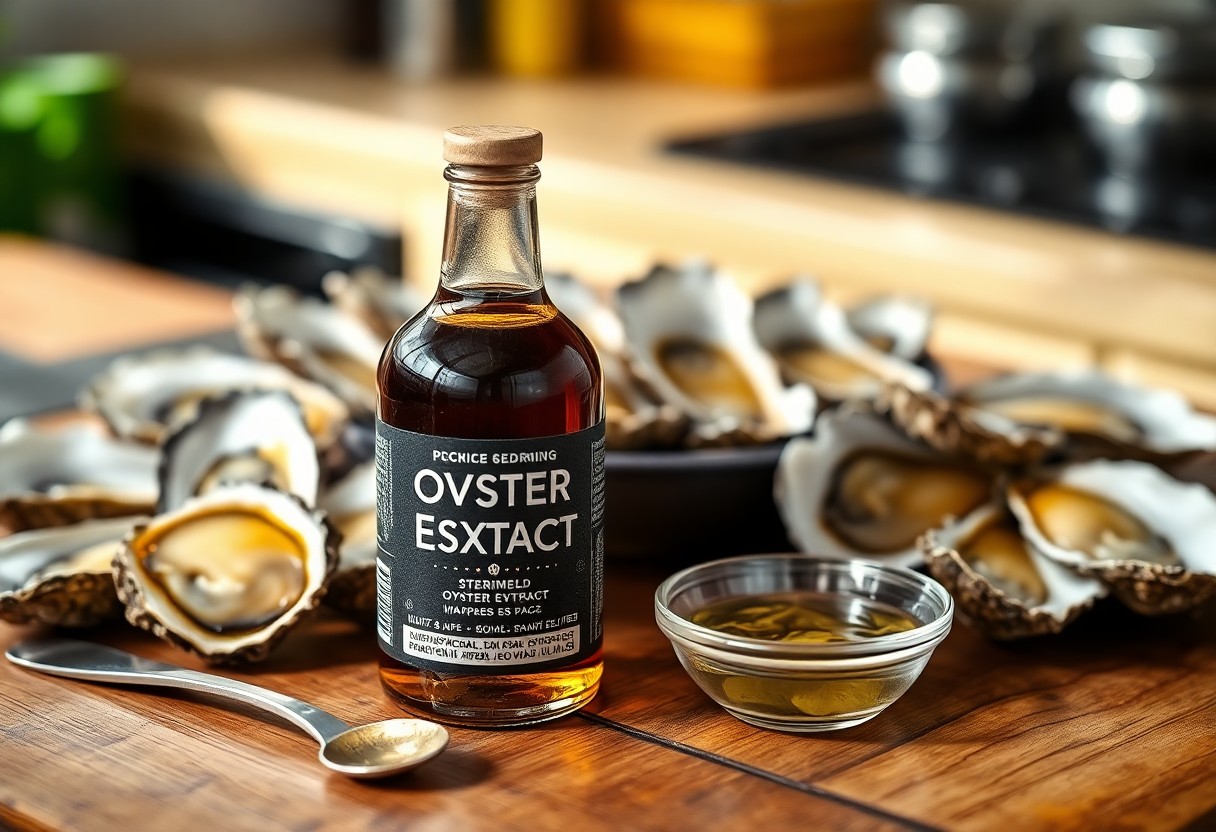
Oyster extract is a concentrated supplement derived from oysters, primarily known for its high levels of nutrients and bioactive compounds. Typically available in liquid or powder form, it boasts a wide array of health benefits, particularly related to boosting your overall wellness and enhancing libido.
Nutritional Profile
This extract is rich in zinc, iron, and several necessary amino acids, making it a powerhouse for maintaining your health. With a unique blend of minerals, oyster extract can promote immune function, hormonal balance, and even support muscle growth.
Oyster extract stands out due to its impressive nutritional profile, packing around 70 mg of zinc per 100 grams, which is more than most foods. Zinc plays a vital role in immune health and testosterone production, necessary for both men and women. Additionally, the extract contains various vitamins, including B12, crucial for energy production and cognitive function. It also includes omega-3 fatty acids, contributing to cardiovascular health, making it a versatile supplement for anyone looking to enhance their nutrition.
Types of Oyster Extract
Oyster extract comes in various forms, each with unique benefits and uses. The most common types are liquid extracts and powdered extracts.
- Liquid Extracts: Convenient and easily absorbed.
- Powdered Extracts: Versatile and ideal for supplements.
- Encapsulated Extracts: Simple to consume.
- Raw Oyster Extracts: Provide authentic taste and texture.
- Fermented Oyster Extracts: Enhanced nutrient availability.
Knowing the different types of oyster extract allows you to choose the option that best fits your dietary needs and lifestyle.
Liquid Extracts
Liquid extracts are a concentrated form of oyster extract, offering quick absorption and convenience for your regimen. Typically rich in nutrients such as zinc and amino acids, these extracts can be mixed with beverages or taken directly. Their bioavailability makes them a popular choice for those looking to gain the benefits of oysters effectively.
Powdered Extracts
Powdered extracts allow for versatile use in your diet. They can be easily added to smoothies, baked goods, or protein shakes. Typically, powdered extracts retain many of the nutritional benefits of oysters while providing a longer shelf life. This form caters well to those seeking to incorporate oyster extract into various culinary creations.
Powdered extracts are especially appealing due to their ability to blend seamlessly into different recipes. They usually contain a high concentration of vital nutrients like vitamins and trace minerals, making them a powerful supplement option. You can find these extracts sourced from both wild and farmed oysters, ensuring a variety of options to suit your tastes and health goals. The versatility of powdered extracts not only enhances your meals but also promotes excellent nutritional intake.
Benefits of Oyster Extract
Oyster extract offers a wide range of benefits, making it a valuable addition to your health regimen and culinary endeavors. Packed with nutrients, it supports various bodily functions and enhances flavors in dishes. Regular consumption can lead to improved overall health, increased energy levels, and better immune response, allowing you to feel revitalized in your daily life.
Health Benefits
Oyster extract is known for its high content of zinc, which is necessary for immune function and skin health. This mineral can help enhance your mood and cognitive performance, while its rich amino acid profile supports muscle recovery and development. Additionally, its natural antioxidant properties may aid in reducing inflammation, promoting overall wellness.
Culinary Uses
Incorporating oyster extract into your cooking can significantly elevate flavors and nutritional value. Commonly used in sauces, , and soups, it adds a distinct umami taste that complements various dishes, including seafood, stir-fries, and dressings.
Oyster extract blends seamlessly into both traditional and modern recipes, allowing you to experiment with its flavor profile. Chefs often use it to enhance gravies or as a base for rich broths, while home cooks might add a splash to pasta sauces or seafood dishes for added depth. Utilizing oyster extract can transform mundane meals into gourmet experiences, unlocking new taste dimensions that excite your palate.
Pros and Cons of Using Oyster Extract
| Pros | Cons |
|---|---|
| Rich in vital nutrients | Potential allergic reactions |
| Boosts immune system | Not suitable for vegetarians |
| May improve sexual health | Possible heavy metal contamination |
| Supports overall vitality | Digestive issues in sensitive individuals |
| Can enhance athletic performance | Limited availability |
| May improve skin health | Variable quality among products |
| Easily incorporated into diets | Price can be higher than alternatives |
Advantages
Oyster extract is packed with vital nutrients, providing a rich source of zinc, iron, and amino acids. Its potential to enhance immune function and support overall health makes it appealing. Athletes and individuals seeking to boost their vitality find oyster extract particularly beneficial. Its high nutrient density can contribute positively to sexual health and skin regeneration. You can easily integrate it into your diet, amplifying its advantages.
Disadvantages
While oyster extract offers several benefits, it’s not without drawbacks. Some individuals may experience allergic reactions, particularly those with shellfish allergies. Its sourcing from oysters means that vegetarians and vegans cannot utilize it. Additionally, concerns about heavy metal contamination exist, as oysters can filter harmful substances from their environment. The quality and price of oyster extract products can also vary significantly.
The potential for allergic reactions is a significant concern, particularly if you have a sensitivity to shellfish. Symptoms can range from mild, such as rashes or gastrointestinal discomfort, to severe anaphylactic responses requiring immediate medical attention. Moreover, due to oyster farming practices, the risk of exposure to heavy metals, like lead or mercury, poses a health hazard, especially if sourced from contaminated waters. Always ensure you choose high-quality products from reputable sources to mitigate these risks.
Tips for Choosing Quality Oyster Extract
To ensure you select a premium oyster extract, focus on the following aspects:
- Check for sourcing and certification
- Look for clear labeling and ingredient transparency
- Consider third-party testing for purity and potency
- Review customer feedback and product ratings
This can enhance your overall experience and effectiveness of the product.
Sourcing and Certification
Identify the origin of the oyster extract you are considering, as quality can vary based on its sourcing. Look for products that have certifications from recognized organizations, which indicate adherence to safety and quality standards. Sustainable sourcing practices are also a plus, ensuring the extract comes from responsibly harvested oysters.
Label Reading
Understanding how to read labels on oyster extract products is vital for making an informed choice. Look for the ingredient list and check for any additives, fillers, or artificial components. Ensure that the product clearly states the concentration of active ingredients and any certifications it holds, such as organic or non-GMO. Products with short ingredient lists are often more reliable.
Pay attention to serving sizes and recommended dosages as indicated on the label. This information is necessary for assessing cost-effectiveness and ensuring you’re receiving an adequate amount without overconsumption. Labels should also provide details on any potential allergens, such as shellfish, which is important for individuals with sensitivities. Transparency in labeling not only reflects product quality but also builds trust with consumers.
Step-by-Step Guide to Using Oyster Extract
| Step | Description |
| 1 | Select your desired form of oyster extract, either liquid or powder. |
| 2 | Determine your dosage based on the product’s instructions or consult a healthcare professional. |
| 3 | Incorporate it into your daily routine, whether in meals or dietary supplements. |
| 4 | Monitor your body’s response and adjust the intake as needed. |
Incorporating into Diet
You can easily incorporate oyster extract into your diet by adding it to smoothies, sauces, or soups. This versatile ingredient blends well and enhances flavors while providing beneficial nutrients. Start with a small dosage and gradually increase it as your body adjusts.
Suggested Recipes
Bringing oyster extract into your culinary experience can be both flavorful and nutritious. Consider making oyster extract-infused marinades, salad dressings, or soups. You could also try incorporating it into seafood dishes for a synergistic effect that enhances the natural flavors.
For instance, a simple marinade combining oyster extract, garlic, and lemon juice elevates grilled fish or chicken, giving it a distinctive umami boost. Alternatively, add it to a rich clam chowder to deepen the savory notes of the dish. These recipes not only enhance taste but also help you reap the health benefits of oyster extract seamlessly.
Factors Affecting Oyster Extract Quality
The quality of oyster extract is influenced by several factors that can significantly impact its efficacy and benefits. Key factors include:
- Source of oysters
- Harvesting practices
- Processing methods
- Storage conditions
Perceiving these variables helps you choose the best oyster extract for your needs.
Source and Harvesting Practices
Your extraction experience is deeply tied to the source of the oysters. Marine environments, such as pristine coastal areas, yield higher quality oysters, while pollution can degrade their nutrient profile. Sustainable harvesting practices, like responsible fishing quotas and methods, ensure that oysters retain their integrity and health benefits.
Processing Methods
Processing methods determine the potency and purity of your oyster extract. Techniques like freeze-drying and low-temperature extraction preserve vital nutrients, ensuring maximum bioavailability. Lesser methods, such as high-heat processes, can destroy necessary compounds, lowering the overall quality of the extract.
In processing, advanced techniques like enzymatic hydrolysis can break down proteins into more bioavailable forms, enhancing the absorption of vital amino acids and minerals. Extraction through cold pressing retains the full spectrum of nutrients, including vitamins and trace elements. Cleanliness during processing is critical; contamination can diminish health benefits. You’ll gain better results when choosing a product that specifies its processing methods, ensuring a high-quality extract tailored to your health goals.
FAQ
Q: What is oyster extract?
A: Oyster extract is a nutritional supplement derived from oysters, known for its rich mineral content, particularly zinc, and other beneficial compounds. It is often used to support overall health and enhance vitality.
Q: What are the health benefits of using oyster extract?
A: Oyster extract is believed to boost immune function, improve sexual health, enhance mood, and support cognitive function. The high levels of zinc in oyster extract may also contribute to better skin health and improved metabolic processes.
Q: How can oyster extract be consumed?
A: Oyster extract is available in various forms, including capsules, powders, and liquid extracts. It can be taken as a dietary supplement, typically recommended once daily, but it’s advisable to follow specific product instructions or consult a healthcare professional for personalized guidance.

