
Just because organic bee pollen products come with a higher price tag doesn’t mean they aren’t worth investing in. You may enjoy enhanced nutritional benefits from these products, including vitamins, minerals, and antioxidants that can boost your overall health. However, consider the potential risk of contamination in non-organic options and weigh the quality of sourcing. By choosing organic, you are supporting sustainable farming practices and prioritizing your well-being, but it’s crucial to assess if the benefits align with your lifestyle and budget.
Understanding Organic Bee Pollen
Organic bee pollen is a natural supplement derived from the pollen collected by bees from flowers. This substance not only provides nutrients for the hives but also offers a plethora of benefits for humans. In organic farming, bee pollen is gathered without the use of pesticides or synthetic fertilizers, ensuring a cleaner, more nutritious product. As a potential superfood, its popularity is surging, especially among health-conscious consumers seeking organic options.
What is Bee Pollen?
Bee pollen consists of tiny, colorful granules created from flower pollen, nectar, enzymes, and bee secretions. This nutrient-rich substance serves as food for bees and is packed with vitamins, minerals, amino acids, and antioxidants. When harvested from hives, it retains these beneficial compounds, making it a sought-after supplement for enhancing your diet.
Health Benefits of Bee Pollen
The health benefits of bee pollen are extensive and varied. It has been linked to advantages such as improved immune system function, increased energy levels, and enhanced athletic performance. The combination of nutrients found in bee pollen can assist in reducing inflammation and promoting overall well-being, appealing to those seeking a natural health boost.
Research indicates that bee pollen contains up to 25% protein, along with vital fatty acids, vitamins A, C, and E, and a range of minerals. These compounds work synergistically to bolster your immune system, potentially reducing the risk of infections. Additionally, bee pollen’s antioxidant properties may protect your cells from oxidative stress, contributing to longevity and heart health. Integrating this supplement into your diet can support weight management, boost stamina, and even aid digestion, solidifying its status as a powerful addition to a health-conscious lifestyle.
The Organic Certification Process
The organic certification process involves rigorous standards set by regulatory bodies to ensure products meet specific criteria. Farmers must follow organic farming practices that promote biodiversity, sustainability, and the health of ecosystems. For those interested in purchasing organic bee pollen, you can find various Bee Pollen in Superfoods(94). This certification verifies that the pollen was collected from bees that have not been exposed to synthetic pesticides or fertilizers.
Standards and Regulations
Organic products must adhere to strict standards defined by the USDA, including guidelines on how the pollen is harvested and processed. These regulations help ensure the absence of harmful chemicals and the maintenance of the natural environment in which bees and plants thrive.
Differences Between Organic and Conventional
Organic bee pollen is obtained from hives managed without synthetic chemicals, while conventional sources may involve pesticides and artificial additives that can compromise product quality. Organic pollen retains a higher level of nutrients and health benefits due to its natural harvesting methods.
Choosing between organic and conventional bee pollen can significantly affect your health outcomes. Organic bee pollen retains a diverse range of vitamins, minerals, and antioxidants, attributed to the absence of harmful chemicals. In contrast, conventional products might contain residues from pesticides, which could negate some of the purported health benefits. Furthermore, organic practices contribute to environmental sustainability, supporting healthier ecosystems and biodiversity that conventional farming often disrupts.
Evaluating Cost Differences
Understanding the nuances in pricing is vital for making informed choices about organic bee pollen products. Products that are certified organic often incur higher production and harvesting costs. This can be attributed to sustainable farming practices and stricter regulations, ensuring you receive top quality. For more insights on bee pollen’s potential benefits, refer to the Top 5 benefits of bee pollen supplements.
Price Comparison
When comparing prices of organic bee pollen products, it’s vital to consider the quality and source. Below is a breakdown of typical costs:
| Standard Bee Pollen | $15 – $25 per pound |
| Organic Bee Pollen | $25 – $50 per pound |
Factors Influencing Price
The price of organic bee pollen reflects various elements. Factors include the method of production, sourcing from local or international suppliers, and the purity of the product. Additionally, the growing popularity and demand for organic options drive prices higher.
- Production methods
- Quality control
- Supply chain logistics
- Market demand
Perceiving these influences can help justify the higher costs associated with organic options.
Further details about factors like sustainable farming practices show significant impacts on costs. Organic bee pollen often comes from ethically maintained hives, which necessitates more time and effort for beekeepers. Combined with lower yields and eco-friendly practices, this results in increased pricing.
- Sustainability
- Harvesting techniques
- Bee health practices
- Organic certification fees
Perceiving how these factors affect pricing can illuminate your purchasing decisions more clearly.
Nutritional Value of Organic vs. Non-Organic
Examining the nutritional differences between organic and non-organic bee pollen reveals significant disparities that can impact your health choices. Organic bee pollen typically contains higher levels of vitamins, minerals, and antioxidants, as it is harvested from flowers grown without synthetic fertilizers or pesticides. These practices not only enhance the nutritional profile but also contribute to better environmental sustainability, making organic options a worthy consideration for health-conscious consumers.
Comparing Nutrients
| Component | Organic Bee Pollen |
|---|---|
| Protein | Average 25-30% |
| Vitamin C | Higher levels |
| Antioxidants | More abundant |
| Pesticide Residues | Lower |
The Impact of Farming Practices
Your health is directly influenced by the farming practices behind the pollen. Organic farming employs natural methods to cultivate plants, resulting in lower exposure to harmful substances. Conventional farming often uses chemical fertilizers and pesticides, which can leave residues in pollen. In contrast, organic beekeepers prioritize biodiversity and sustainability, enhancing the overall quality and nutritional value of the pollen collected. This method not only boosts the nutritional content but also supports the ecosystem, making organic bee pollen a safer and more healthful choice.
Consumer Perspectives
Consumer experiences with organic bee pollen products vary widely, influenced by individual health goals, taste preferences, and occasional misleading marketing claims. Many buyers report increased energy levels and improved overall well-being, but some express dissatisfaction over differing product quality and effectiveness. Reviews and testimonials can provide insight, yet focusing on third-party certifications can help ensure you’re making an informed purchase.
Buyer Experiences
Many consumers share positive experiences with organic bee pollen, noting perceived benefits such as enhanced energy and immune support. Specific anecdotes reveal that combining bee pollen with smoothies or energy bars elevates their nutritional value. However, dissatisfaction arises from inconsistent results across different brands, indicating a need for careful selection based on trusted sources.
Perceived Value of Organic Products
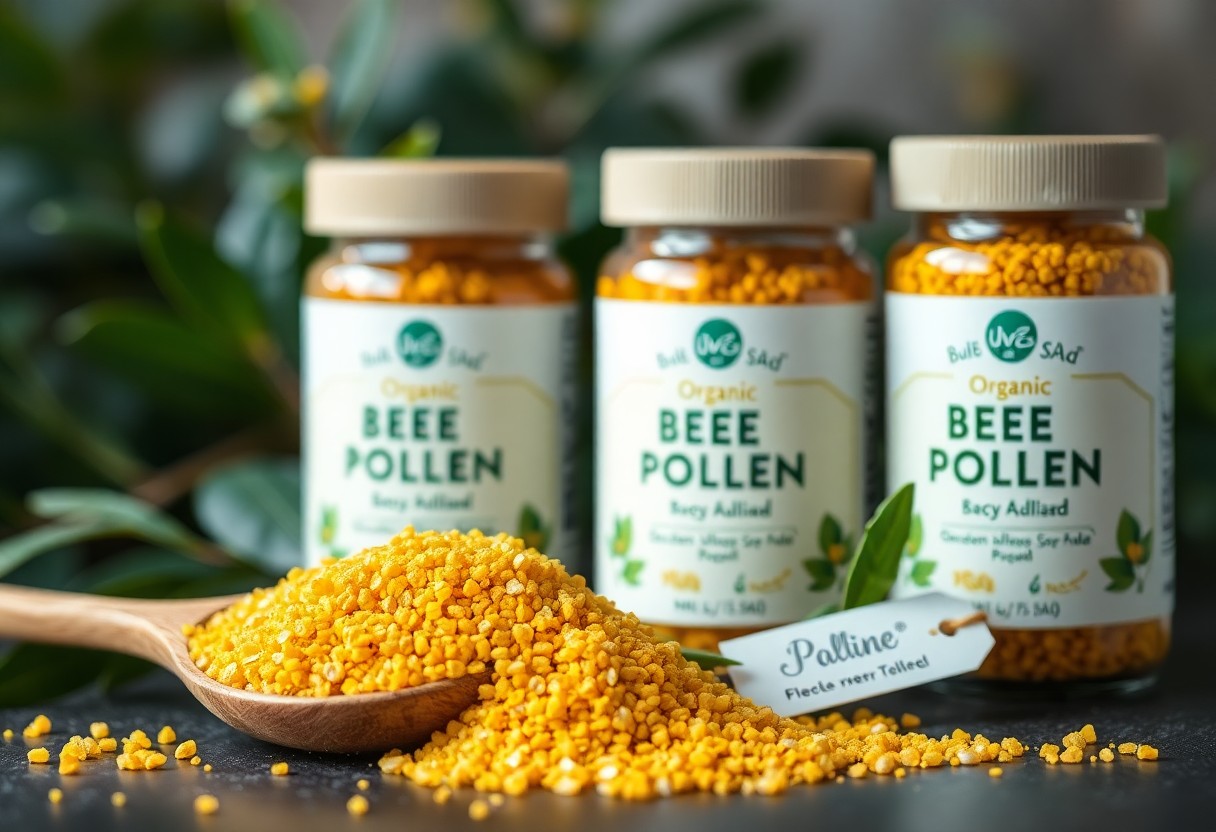
The perceived value of organic bee pollen products stems from various factors including health benefits, sourcing transparency, and production practices. Many buyers are willing to pay premiums, believing that organic options offer superior quality and fewer contaminants compared to conventional products.
Many consumers equate organic certification with higher standards of purity and environmental consideration. Organic bee pollen is often viewed as a more ethical choice, as it supports sustainable agricultural practices and helps maintain biodiversity. You may find that cautious buyers prioritize products with certifications, even if it means a higher initial cost. This perception is reinforced by studies showing consumers see organic products as more nutritious and safer, alongside a willingness to invest in their health, reflecting a long-term mindset rather than mere short-term savings.
Sustainability and Ethics
Organic bee pollen products not only offer health benefits but also embody ethical and sustainable practices. By choosing these products, you support environmentally-friendly farming techniques that prioritize biodiversity and the health of bee populations, vital for plant pollination. The demand for organic pollen encourages beekeepers to adopt more humane practices, ensuring the well-being of their hives and reducing reliance on harmful pesticides.
Environmental Impact
Opting for organic bee pollen significantly reduces environmental harm. Conventional pollen collection often involves practices detrimental to bee health and biodiversity. In contrast, organic methods promote healthier ecosystems, as they avoid synthetic chemicals and support the natural behavior of bees. By supporting organic options, you contribute to sustainable agriculture and help protect vital pollinator populations that play a crucial role in food production.
Supporting Local Beekeepers
Purchasing organic bee pollen directly supports local beekeepers, fostering community ties and empowering small-scale agricultural practices. This support ensures that beekeepers can sustain their livelihoods while adhering to ethical production standards. In turn, you help drive a more localized economy, allowing these beekeepers to invest in maintaining their hives effectively. This leads to a healthier bee population and enhances the quality of the products you consume.
Local beekeepers often rely on sustainable practices that emphasize the health of their bee colonies and the surrounding environment. By choosing their products, you encourage diverse farming practices that benefit not just the bees but local flora as well. Additionally, these small-scale operations typically have lower carbon footprints compared to larger commercial beekeeping enterprises, making your purchase decision impactful on both a local and global scale. Supporting these beekeepers helps ensure that the values of sustainability and ethical treatment of animals are upheld in the beekeeping industry.
To wrap up
Taking this into account, deciding whether organic bee pollen products are worth the higher price ultimately depends on your values and health goals. If you prioritize sustainability, quality, and the potential health benefits associated with organic products, the investment may be justified. Conversely, if budget constraints are a primary concern, you might consider less expensive alternatives. Evaluating the source, production methods, and your personal wellness needs will guide you in making an informed decision about your purchase.
FAQ
Q: What are the primary benefits of organic bee pollen compared to non-organic bee pollen?
A: Organic bee pollen is harvested from pesticide-free plants, ensuring higher purity and quality. It is rich in vitamins, minerals, antioxidants, and amino acids, which are necessary for health. Organic products often have better nutrient profiles and are less likely to contain chemical residues.
Q: Why is organic bee pollen more expensive than conventional options?
A: The production of organic bee pollen involves strict regulations and sustainable farming practices that require more time and resources. Organic beekeepers often have lower yields due to the absence of synthetic chemicals, leading to higher costs that reflect in the retail price.
Q: How can consumers assess the value of investing in organic bee pollen products?
A: Consumers can evaluate the value by considering potential health benefits, superior quality, and environmental impact. Investing in organic bee pollen may also support sustainable beekeeping practices, which contribute to the overall health of ecosystems and biodiversity.

