
Bee pollen supplements can offer a range of health benefits, but to ensure you’re making a safe and beneficial choice, you should look for several key factors. Prioritize purity, as high-quality products are less likely to contain contaminants or additives. Check for source transparency—reputable brands will provide details on their pollen’s origin and processing methods. Additionally, consider the nutrient profile; a good supplement should contain a variety of vitamins, minerals, and amino acids. Lastly, evaluate customer reviews for insights into effectiveness and possible side effects.
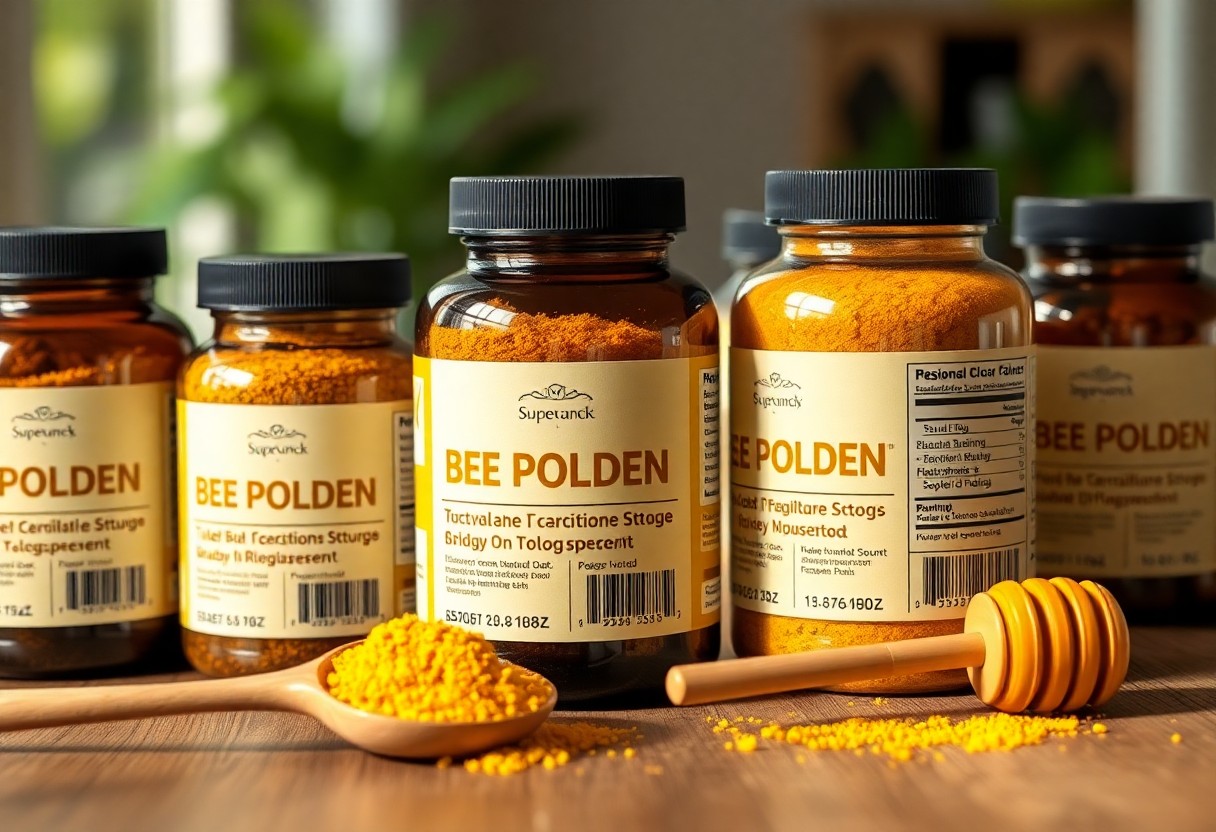
Understanding Bee Pollen
Bee pollen, a nutrient-rich substance collected by honeybees from flowers, serves as a vital food source for their colonies. It contains a blend of proteins, sugars, vitamins, and minerals, reflecting the diversity of the plants visited. This natural product varies in composition based on the flora in a bee’s habitat, making it not only a supplement but also a powerful ally for enhancing your overall wellness.
Nutritional Composition
The nutritional makeup of bee pollen includes approximately 30% protein, which contains crucial amino acids needed for your body. Additionally, it offers vitamins such as B-complex, C, and E, along with vital minerals like calcium, magnesium, and zinc. The presence of antioxidants further enhances its profile, providing potential health benefits against oxidative stress.
Health Benefits
Bee pollen boasts an array of health benefits, including boosting immunity, enhancing energy levels, and promoting digestive health. Studies indicate that regular consumption can aid in reducing inflammation and improving overall vitality. Various users report enhanced fitness performance and quicker recovery times after physical exertion, aligning with bee pollen’s historical use for its invigorating properties.
Research suggests that bee pollen may also be beneficial for specific health conditions. For instance, an anti-inflammatory effect has been tied to its flavonoid content, which can aid those with chronic inflammatory issues. Furthermore, its natural sugars provide a quick source of energy, beneficial for athletes or those needing an energy boost. These potential benefits contribute to why you might consider including bee pollen as part of your daily regimen.
Types of Bee Pollen Supplements
- Granules – The most common form, easily added to food or drinks.
- Capsules – Convenient for precise dosages, ideal for on-the-go use.
- Powder – Versatile, can be mixed into smoothies or yogurt.
- Liquid Extracts – A concentrated form that may offer enhanced absorption.
- Blends – Combinations with other superfoods, maximizing nutritional benefits.
The different formats allow you to choose what best fits your lifestyle and preferences.
| Type | Description |
|---|---|
| Granules | Natural form, rich in nutrients. |
| Capsules | Easier to consume, pre-measured dosages. |
| Powder | Multi-use, can be incorporated into various recipes. |
| Liquid Extracts | Highly concentrated, may enhance nutrient absorption. |
| Blends | Combines benefits of multiple superfoods. |
Forms of Supplements
Various forms of bee pollen supplements, including granules, capsules, powders, and extracts, cater to different needs and preferences. Granules are the whole food form, offering the full spectrum of nutrients. Capsules provide convenience without compromising dosage accuracy, while powders allow for creative culinary uses. Liquid extracts may enhance absorption rates, offering a different consumption method that some may prefer. The variety ensures you can find a format that aligns with your lifestyle.
Sourcing and Quality
Sourcing matters significantly for ensuring your bee pollen supplements are of high quality. Products should be sourced from reputable producers who prioritize sustainability and bee health. Certifications like organic or non-GMO can indicate better quality. Always check for third-party lab testing results that confirm purity and potency levels. The differences in sourcing can greatly affect both the effectiveness and safety of the supplements you consume.
Researching the producer’s standards offers insights into the sourcing practices surrounding your bee pollen supplements. High-quality products often originate from areas free of pollutants and pesticides, ensuring the pollen’s integrity. Look for brands that provide detailed information about their sourcing practices and engage in ethical beekeeping to maintain both environmental balance and hive health. Additionally, consumer reviews and lab verification can shed light on the reliability of the product, which is crucial for supporting your health and wellness goals.
Factors to Consider When Buying
When purchasing bee pollen supplements, focus on quality, source, and composition. Check for options sourced from reputable beekeepers and ensure the product lists its ingredients clearly. Verify dosage recommendations and consider any potential allergies. Look for products without additives or fillers, as these can diminish the potency. This is vital for maximizing the health benefits associated with bee pollen. For more insights, you can read about Bee Pollen: What It Is and Why You Really Don’t Need It.
Purity and Authenticity
When assessing bee pollen supplements, prioritize purity and authenticity. Ensure the product is genuine bee pollen, free from contaminants or artificial substances. Look for information about sourcing and harvesting to confirm it hasn’t been overly processed. Products that maintain their natural state often provide greater health benefits, preserving the rich array of nutrients that bee pollen offers.
Certifications and Lab Testing
Seek out bee pollen supplements that have undergone third-party lab testing for quality assurance. Certifications from recognized organizations can offer confidence in the product’s safety and efficacy. Examine labels for certifications like GMP (Good Manufacturing Practices) to ensure that manufacturing processes meet high standards. Products that are *verified* by independent labs can greatly enhance your buying decision.
Lab testing plays a pivotal role in ensuring that the bee pollen you consume meets safety and quality standards. Knowing that the product has been examined for pesticides, heavy metals, and microbial contamination can alleviate concerns about harmful additives. Thorough testing not only validates the potency of the nutrients but also reassures you that you are purchasing a reputable supplement. Always review test results and certifications to make informed choices about your health.
Dosage and Usage Recommendations
Understanding the right dosage and usage of bee pollen supplements ensures you maximize their benefits while minimizing potential side effects. Always adhere to the manufacturer’s recommendations, and consider starting with a lower dose to assess tolerance. For high-quality options, check out the High Strength Bee Pollen Supplement – Natural Superfood.
Suggested Dosages
Typical daily dosages range from 1 to 3 teaspoons or 1,000 to 5,000 mg, depending on your specific needs and the supplement’s concentration. Monitoring how your body reacts allows for adjustments as necessary.
How to Incorporate into Your Diet
Adding bee pollen supplements to your diet can be simple. Sprinkle them on yogurt, smoothies, or salads to enhance nutritional value and flavor. You might also consider mixing them into your morning oatmeal or baking them into energy bars.
To seamlessly include bee pollen into your daily routine, try blending a tablespoon into smoothies for an extra nutrient boost. Alternatively, incorporate it into your breakfast by mixing it into granola or yogurt. Since the taste is slightly sweet and floral, it complements both sweet and savory dishes, making it an easy addition to your meals.
Potential Side Effects and Allergies
While bee pollen is generally safe for many, it can cause side effects in some individuals. Allergic reactions to bee pollen can manifest as skin rashes, swelling, or respiratory issues. Those with pollen allergies or a history of bee sting allergies should exercise caution. Adverse effects like nausea, stomach upset, or diarrhea may also occur, particularly with excessive intake.
Common Reactions
Common reactions to bee pollen supplements often include allergic symptoms such as itching, hives, or digestive discomfort. In severe cases, anaphylaxis may occur, necessitating immediate medical attention. You should be attentive to how your body responds after starting supplementation.
Precautions to Take
Consulting with a healthcare professional prior to using bee pollen supplements is advisable, especially for those with pre-existing conditions or allergies. Start with a small dosage to monitor for any adverse reactions. Pregnant or breastfeeding individuals should also avoid such supplements without medical guidance.
Testing for allergies is particularly important if you have a known sensitivity to pollen or bee products. Begin with just a pinch of the bee pollen, waiting 24 hours to observe for any immediate reactions. If you experience any negative symptoms, immediately discontinue use and seek medical advice. This precaution is key to safely incorporating bee pollen into your health regimen.
To wrap up
Hence, when purchasing bee pollen supplements, you should focus on factors such as purity, sourcing, and allergens. Look for products that are organic and sustainably harvested to ensure quality. Check for third-party testing certifications to verify potency and safety. Additionally, consider your personal health needs and any potential allergies. By being thorough in your evaluation, you can make informed choices that enhance your overall well-being.
FAQ
Q: What are the key factors to consider when assessing the quality of bee pollen supplements?
A: Look for bee pollen that is sourced from reputable suppliers, as purity and quality can vary significantly. Check for third-party testing to ensure that the product is free from contaminants and meets safety standards. Additionally, verify that the pollen is raw and unprocessed to retain its natural properties and nutrients.
Q: How can you determine if a bee pollen supplement is organic?
A: To confirm if a bee pollen supplement is organic, look for certifications from recognized organic organizations on the label. These certifications indicate that the pollen was harvested from sources free of synthetic pesticides and fertilizers. Reading product descriptions and researching the brand’s practices can also provide insight into their organic sourcing methods.
Q: What should be noted about the dosage and usage of bee pollen supplements?
A: Dosage recommendations may vary between products, so it’s important to follow the manufacturer’s guidelines. Start with a lower dose to assess tolerance, as some individuals may experience allergic reactions. Consulting a healthcare professional before adding bee pollen to your routine can provide personalized advice based on individual health needs.

