
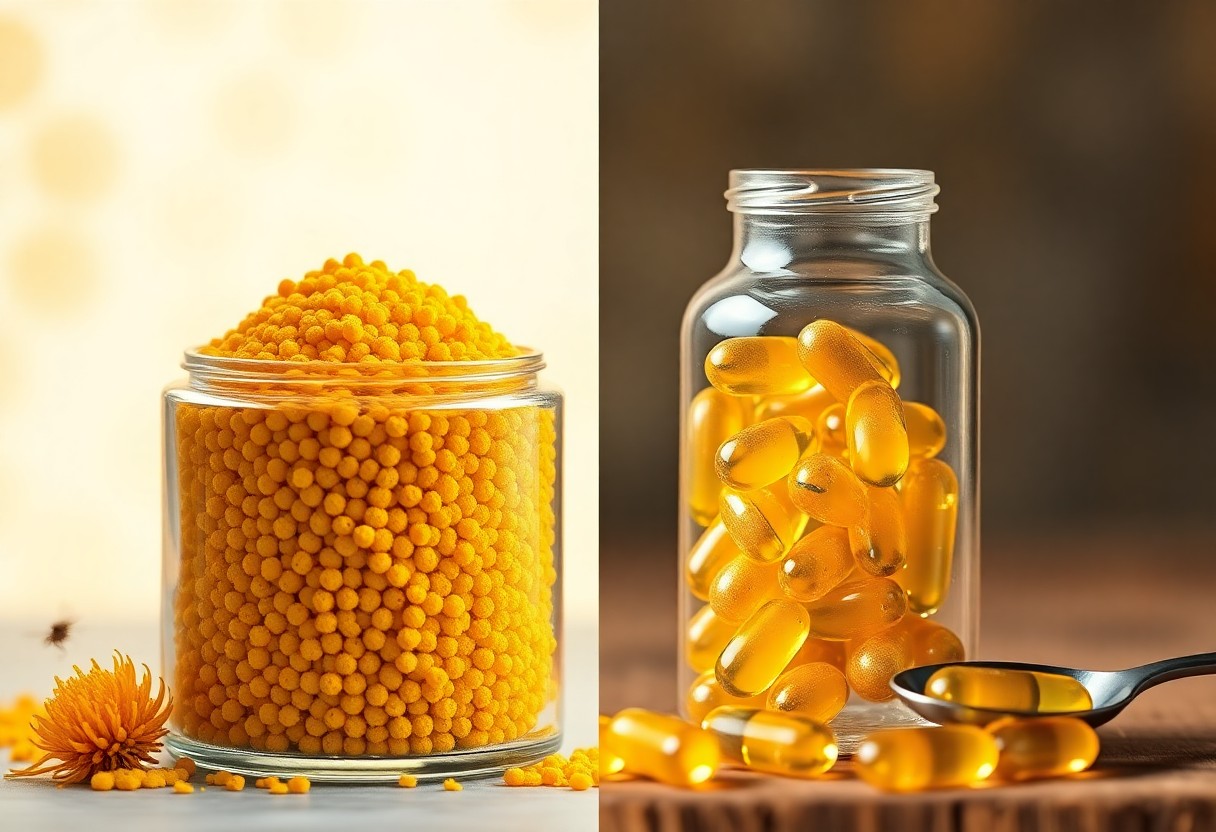
Many people explore bee pollen as a supplement for nutritional benefits, but choosing between granules and capsules can be challenging. Granules offer vibrant flavors and additional enzymes, enhancing your daily intake, while capsules provide convenience and precise dosing without the taste. However, the bioavailability of nutrients may differ, and it’s imperative to consider how your body absorbs these forms. This post will break down the advantages and drawbacks of each option, helping you make an informed decision about which suits your lifestyle and nutritional needs best.
Understanding Bee Pollen
Bee pollen is a natural supplement made from the male pollen of flowering plants, collected by bees. This granule-like substance is often hailed as a superfood due to its rich composition of nutrients, including proteins, vitamins, minerals, and antioxidants. Your body can benefit from its diverse array of bioactive compounds, making it a popular choice among health enthusiasts. Incorporating bee pollen into your daily routine may provide a convenient way to enhance your nutrition.
Composition and Nutritional Value
Bee pollen contains approximately 40% protein, along with crucial amino acids, fatty acids, and carbohydrates. It also includes vitamins such as A, C, and the B-complex group, as well as minerals like calcium, magnesium, and potassium. These constituents make it a rich nutritional source that supports your overall health and well-being.
Health Benefits of Bee Pollen
Incorporating bee pollen into your diet can enhance your vitality and health. Studies suggest that it may effectively boost your immune system, reduce inflammation, and improve endurance. Additionally, the antioxidants found in bee pollen can combat oxidative stress, contributing to better cellular health and longevity.
Including bee pollen in your nutrition can provide numerous health benefits, particularly due to its impressive antioxidant profile. A study published in the *Journal of Agricultural and Food Chemistry* revealed that the antioxidants in bee pollen can help reduce inflammation and improve immune function significantly. Moreover, those who use bee pollen often report increased energy levels and enhanced athletic performance. The diverse nutrients, from amino acids to vitamins, work synergistically to support various bodily functions, making it a powerful ally in your quest for better health.
Bee Pollen Granules
Bee pollen granules are nutrient-dense particles packed with proteins, vitamins, and minerals, often heralded as a superfood. These granules are created by bees when they collect pollen from plants, and their unique composition may offer numerous health benefits, including enhanced energy levels and improved immunity. Incorporating bee pollen granules into your diet provides a more natural and unprocessed nutritional option compared to capsules, allowing you to absorb the full spectrum of their benefits.
How They are Harvested
Harvesting bee pollen involves placing a special trap at the entrance of beehives, which collects the pollen balls that bees carry on their hind legs. This process is done carefully to ensure that it doesn’t harm the bees or disrupt their activities. The collected pollen is then dried at low temperatures to retain its nutritional properties before being packaged for sale, ensuring you receive a potent product.
Ways to Incorporate into Diet
Incorporating bee pollen granules into your diet can be both simple and enjoyable. You can sprinkle them over yogurt, blend them in smoothies, or mix them into oatmeal. Adding them to salads or baking them into muffins are also popular options, providing a nutritious boost to a variety of meals. Experimenting with different combinations ensures you find flavors and textures that complement your personal taste.
For instance, blending bee pollen into your morning smoothie not only enhances the flavor but also adds a significant nutritional boost, with just one tablespoon delivering approximately 15 calories, along with protein, vitamins, and antioxidants. You might also mix it with honey and spread it on toast for a delicious energy-rich snack. The versatility of bee pollen makes it easy to incorporate into both sweet and savory dishes, allowing you to enrich your diet effortlessly.
Bee Pollen Capsules
Bee pollen capsules offer an alternative to granules for those seeking daily nutrition. These encapsulated forms typically contain concentrated amounts of bee pollen, preserving the nutrients while providing a consistent dosage. With capsules, you benefit from a more straightforward method of consumption, particularly for individuals who may dislike the taste or texture of granules. They are often marketed as an easy way to incorporate the health benefits of bee pollen into your routine.
Manufacturing Process
The manufacturing process for bee pollen capsules involves collecting raw pollen from beehives, which is then cleaned and dried to retain its nutritional properties. Afterward, the pollen is ground into a fine powder or left in granule form before being encapsulated in vegetarian or gelatin capsules. Maintaining strict quality control ensures that the final product is free from contaminants and maintains its health benefits, including vitamins, minerals, and antioxidants.
Convenience and Usage
Using bee pollen capsules is exceptionally convenient, allowing you to easily incorporate the supplement into your daily health regimen. With pre-measured dosages, capsules eliminate the need for weighing or measuring, making it easy for you to take on the go. Whether at home or traveling, simply swallowing a capsule with water can fit seamlessly into your lifestyle. This efficiency makes it suitable for busy individuals who may not have the time to measure out granules regularly.
Many appreciate the hassle-free nature of capsules, as they require no additional preparation or mixing. You can take them at any time of day, whether alongside breakfast, during lunch, or as a snack. This flexibility is appealing, particularly for those with hectic schedules or preferences that lean toward simplicity. Capsules also deliver a reliable way to ensure you’re consistently receiving your desired daily intake of bee pollen, contributing to your overall nutritional goals without the fuss.
Nutritional Comparison
| Bee Pollen Granules | Bee Pollen Capsules |
|---|---|
| Rich in vitamins B, C, E, and minerals like zinc and magnesium. | May contain added fillers and preservatives that can dilute nutrient density. |
| High protein content, typically around 25% by weight. | Protein levels vary significantly, often lower than granules. |
| Contains beneficial enzymes and antioxidants. | Processing may reduce the presence of these beneficial compounds. |
For in-depth insights into the Benefits of Bee Pollen & How to Eat It, explore various methods of incorporating this superfood into your diet.
Bioavailability of Nutrients
Your body absorbs nutrients differently from granules compared to capsules. Granules offer higher bioavailability due to their natural form, which allows for easier digestion and utilization of nutrients. This means you are more likely to receive the full spectrum of vitamins, minerals, and probiotics that bee pollen provides when consuming granules.
Potency and Efficacy
Granules generally have a stronger potency compared to capsules. The natural enzymes and compounds in granules can boost the efficacy of various nutrients, potentially enhancing their health benefits. In contrast, capsules may not encapsulate the same active components effectively, leading to diminished efficacy.
Granules are less processed, retaining their natural structure, which contributes to their enhanced wellness benefits. This preservation often results in a more potent dose of important nutrients, promoting superior support for your energy levels, immune function, and overall health. In contrast, capsules may lack these potent elements due to manufacturing processes, resulting in a less effective nutritional option.
Potential Side Effects
Although bee pollen is generally safe for most individuals, potential side effects can arise, particularly in those with sensitivities. Common issues include digestive discomfort, such as nausea or diarrhea, and in rare cases, severe allergic reactions may occur. Monitoring your body’s response when introducing bee pollen into your regimen is important, especially if you have pre-existing allergies.
Allergic Reactions
Allergic reactions to bee pollen can range from mild to severe, especially for those allergic to pollen or bee products. Symptoms may include itching, swelling, hives, or even anaphylaxis in extreme cases. If you experience any of these reactions, discontinue use immediately and consult a healthcare professional.
Recommended Dosages
Starting with a small dosage of bee pollen, typically 1-2 teaspoons of granules or one capsule daily, can help your body adjust. Gradually increasing the amount allows you to monitor for side effects effectively. Depending on your nutritional goals, dosages may vary, so consult with a healthcare provider for personalized guidance.
Specific recommendations suggest beginners start with as little as ¼ teaspoon of bee pollen granules to gauge tolerance, increasing to 1-2 teaspoons after a week if no adverse effects are noted. For capsules, following the manufacturer’s label is advisable, as formulations can differ. Always consider your overall diet and consult a healthcare professional to optimize your intake based on your health status and nutritional objectives.
Selecting the Right Product
You’ll want to consider various factors when selecting bee pollen products to ensure optimal nutrition. Pay attention to ingredients, sourcing, and processing methods. Some products may contain additives or fillers that dilute the benefits. Because uncertainties continue around use of bee pollen, choosing reputable brands with transparent sourcing can help mitigate risks.
Quality Standards
Quality standards play a significant role in determining the efficacy of bee pollen. Look for products that undergo third-party testing to confirm purity and potency. Certifications from organizations like the USDA or Non-GMO Project can also indicate adherence to higher quality benchmarks. Products free from contaminants and allergens are vital for ensuring safety and nutritional value.
Brand Recommendations
For effective nutritional benefits, consider brands known for their rigorous quality control. Brands like YS Eco Bee Farms, Nature’s Way, and Beekeeper’s Naturals offer reliable bee pollen products that maintain high standards. These brands are recognized for using ethically sourced ingredients and maintaining transparency in their manufacturing processes.
YS Eco Bee Farms stands out with their organic certification, ensuring that their pollen is free from pesticides and additives. Nature’s Way features stringent testing and provides a clear breakdown of their product composition, making it a trustworthy option. Beekeeper’s Naturals focuses on sustainable sourcing and offers unique blends that appeal to health-conscious consumers. Evaluating these aspects can significantly enhance your daily nutrition routine with bee pollen.
To wrap up
So, when considering bee pollen granules versus capsules for your daily nutrition, it’s crucial to evaluate your preferences and lifestyle. Granules offer a more natural and potent source of nutrients, allowing you to experience the full spectrum of benefits. However, capsules provide convenience and ease of use, making them suitable for busy schedules. Ultimately, your choice may depend on how you incorporate these supplements into your diet and what aligns with your nutritional goals.
FAQ
Q: What are the main differences between bee pollen granules and capsules for daily nutrition?
A: Bee pollen granules are raw, natural forms of bee pollen that contain enzymes, vitamins, and minerals in their original state. Capsules, on the other hand, are processed and may contain added fillers or binders. Granules offer a broader spectrum of nutrients due to less processing, while capsules provide convenience and ease of consumption.
Q: How does the nutrient absorption differ between bee pollen granules and capsules?
A: Nutrient absorption from bee pollen granules can be more effective due to their whole-food status, allowing the body to access the nutrients naturally. Capsules may have a slower breakdown in the digestive system which can affect the speed of nutrient release and absorption.
Q: Can I use bee pollen granules and capsules interchangeably for daily nutrition?
A: While both forms can provide benefits, they may serve different needs. Granules are often preferred for their natural state and richer nutrient profile, while capsules may be better for those seeking convenience or who dislike the taste of granules. It’s best to choose based on personal preference and nutritional goals.

