
Over the years, bee pollen has gained recognition as a potential natural energy booster for individuals seeking a healthier lifestyle. Packed with crucial nutrients, it may enhance your energy levels and improve overall well-being. This superfood is rich in proteins, vitamins, and antioxidants, making it a powerful addition to your diet. However, you should also be aware of potential allergic reactions that can occur in sensitive individuals. Discover how bee pollen could be the energy lift you’ve been looking for without the side effects of caffeine.
What is Bee Pollen?
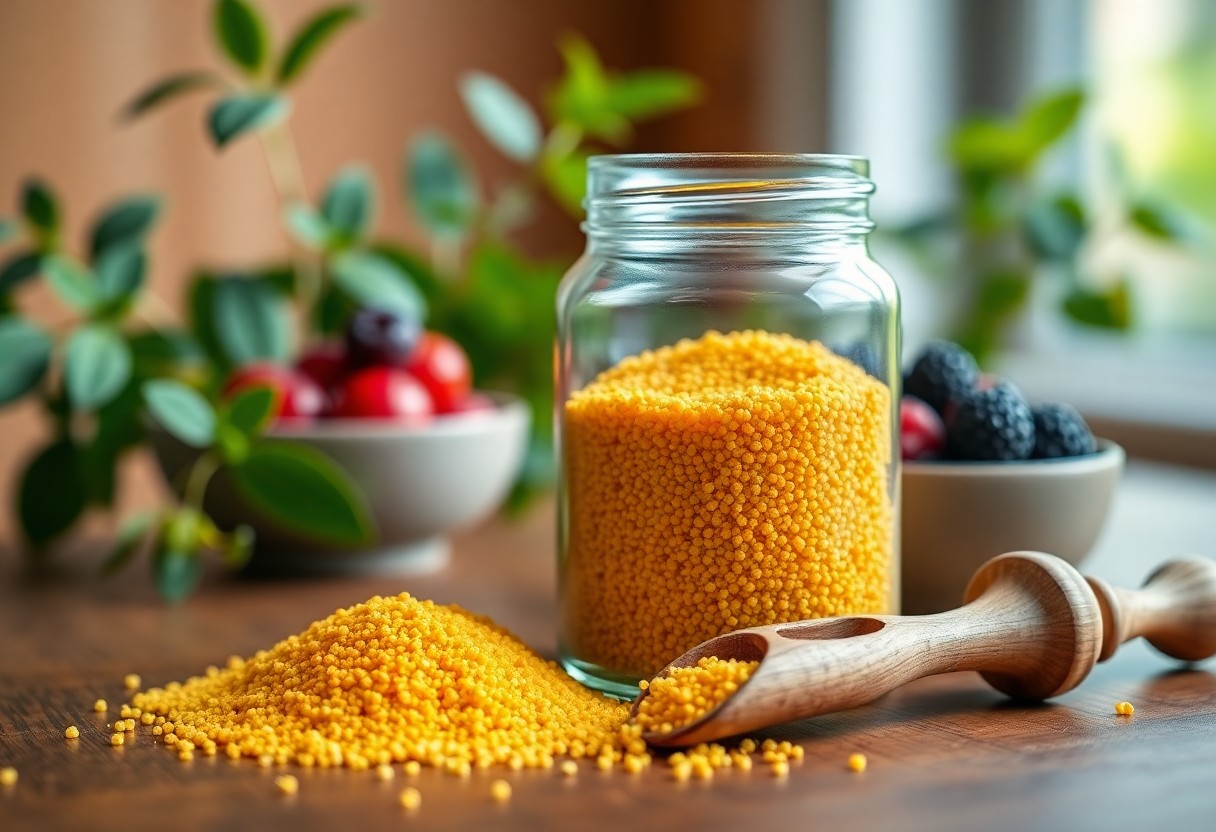
Bee pollen is a nutrient-rich substance collected by bees from flowers, serving as a major food source for their colonies. It consists of a mix of pollen grains, nectar, enzymes, honey, and bee saliva. This vibrant, often colorful powder is packed with vitamins, minerals, proteins, and antioxidants, making it a sought-after supplement for those looking to boost their energy and overall health.
Composition and Nutritional Profile
Your typical bee pollen contains about 30% protein, along with crucial amino acids, fatty acids, vitamins A, C, D, and E, and a range of B vitamins. In addition, it provides minerals such as calcium, magnesium, zinc, and iron. This powerhouse of nutrients contributes to its reputation as a natural energy booster and supports immune function, digestion, and skin health.
How Bee Pollen is Collected
Collecting bee pollen involves a simple yet effective method where beekeepers utilize pollen traps placed at the hive entrance. As the bees return, they brush against the traps, which catch a portion of the pollen as they enter. Each collection can yield several ounces of pollen per week, depending on the size of the colony and the availability of flowering plants.
Bee pollen collection requires careful timing and an understanding of bee behavior. Typically, the best collection times are during the peak blooming seasons when floral sources are abundant. Beekeepers may harvest pollen in a way that does not harm the colony, ensuring that there’s enough left for the bees’ sustenance. Once collected, the pollen can be dried and stored to preserve its nutrients, making it available for consumers year-round.
Health Benefits of Bee Pollen
Bee pollen is packed with important nutrients, making it a valuable addition to your diet. Its rich profile includes proteins, vitamins, minerals, and antioxidants, which together contribute to overall wellness. Regular consumption can enhance your immune system, promote recovery, and support optimal bodily functions, helping you maintain vitality throughout the day.
Energy Enhancement Properties
Thanks to its potent blend of carbohydrates, proteins, and vitamins, bee pollen is known for significantly boosting energy levels. It contains natural sugars that provide immediate energy, while protein aids in sustaining it. Studies show that athletes and active individuals often turn to bee pollen as a natural alternative to synthetic energy boosters.
Other Health Benefits
Beyond energy enhancement, bee pollen may help reduce inflammation, improve digestion, and support heart health. Its antioxidant properties combat oxidative stress, potentially lowering your risk of chronic diseases. Additionally, some research suggests that bee pollen can assist in weight management by regulating appetite and metabolism.
The anti-inflammatory effects of bee pollen can be particularly advantageous for individuals suffering from allergies, as it may help alleviate symptoms. Furthermore, its digestive benefits stem from enzyme content, which aids in nutrient absorption and gut health. Some studies also indicate that incorporating bee pollen into your diet could positively affect cholesterol levels, enhancing cardiovascular health over time. By embracing this natural supplement, you unlock a myriad of potential benefits for both energy and overall well-being.
Scientific Studies on Bee Pollen
Research surrounding bee pollen has unveiled its potential as a natural source of energy. Numerous studies suggest that bee pollen’s rich composition of vitamins, minerals, and amino acids may enhance stamina, improve exercise performance, and reduce fatigue. Observations indicate that athletes who supplement with bee pollen report enhanced endurance and quicker recovery times, hinting at its effectiveness as an energizing agent.
Research Supporting Energy Boosting Claims
Several studies highlight bee pollen’s energizing properties, particularly its ability to boost physical performance. One study found that athletes who ingested bee pollen experienced a significant increase in stamina and reduced exercise fatigue. Additionally, the nutrient density of bee pollen, including high levels of riboflavin and pantothenic acid, may support energy metabolism.
Contradictory Findings
Not all studies agree on the effectiveness of bee pollen for energy enhancement. Some research indicates minimal or no significant performance improvements compared to placebo groups. Variability in individual responses and the methods of supplementation often complicate conclusions about its efficacy.
In one notable study, participants who took bee pollen showed only marginal improvements in energy levels and physical performance metrics compared to those who received a placebo. This variability may stem from factors such as dosage, pollen source, and individual metabolic responses. Therefore, while bee pollen has many benefits, the evidence supporting its role as a definitive energy booster is mixed and warrants further exploration to establish clearer guidelines and recommendations.
How to Incorporate Bee Pollen into Your Diet
Adding bee pollen to your diet is simple and versatile. You can sprinkle it on your morning cereals, blend it into smoothies, or mix it into yogurt for a nutrient boost. For more insights, visit What is Bee Pollen? 🐝🌿 – Just Bee Honey. You can also create DIY energy bars or add it to baked goods like muffins, maintaining its benefits while enjoying a delicious treat.
Recommended Dosages
The typical recommended dosage of bee pollen ranges from 1 to 2 teaspoons per day for most adults. Starting at a lower dosage is wise to assess tolerance, gradually increasing as desired. Be mindful of any allergic reactions, especially if you’re new to this superfood.
Ways to Use Bee Pollen
You can enhance your meals and snacks by incorporating bee pollen in various ways. Mix it into smoothies or oatmeal, blend it into salad dressings, or add it to baked goods like bread and muffins. For a refreshing treat, try it sprinkled over fruit salad or as a topping on granola. Finding creative methods to enjoy bee pollen ensures you benefit from its nutrients while enjoying your favorite foods.
Potential Side Effects and Considerations
When considering bee pollen, be aware of potential side effects and interactions. Your body may react differently; allergic reactions can occur, especially for those allergic to bee products or pollen. If you’re seeking more information, you can check out Is Bee Pollen Good for Energy? Absolutely.
Allergic Reactions
Bee pollen can trigger allergic reactions in sensitive individuals. Symptoms may include itching, swelling, or respiratory distress. If you have a known allergy to pollen or bee products, it’s advisable to consult a healthcare professional prior to consuming bee pollen.
Interactions with Medications
Bee pollen may interact with certain medications, particularly blood thinners, and other anticoagulants, as it can affect how these drugs work in your body. Always inform your healthcare provider of any supplements you’re taking, especially if you’re on prescribed medications.
Interactions with medications can vary significantly. For instance, those on anticoagulants may experience heightened effects when combined with bee pollen. The composition of bee pollen, which includes natural compounds affecting blood coagulation, might increase bleeding risk. If you’re undergoing surgery or have pre-existing health conditions, discuss this supplement with your doctor to ensure safety and well-being.
Personal Testimonials and Experiences
Your journey with bee pollen can be informed by the experiences of others. Many users have reported significant boosts in their energy levels and overall wellness. Individuals who incorporate bee pollen into their daily routine often describe enhanced focus, improved endurance during workouts, and a feeling of vitality. These personal testimonials highlight the potential benefits you can achieve by adding this natural supplement to your diet.
Success Stories
Success stories abound among those who have embraced bee pollen. For example, an athlete shared that after adding bee pollen to her meals, her stamina improved during long training sessions, enabling her to push past previous limits. Others report feeling less fatigued and more energized throughout their day, with many attributing increased productivity at work to their new dietary addition.
Cautionary Tales
Not all experiences with bee pollen are positive. Several users have encountered allergic reactions ranging from mild irritation to severe anaphylaxis. One woman recounted her swelling and hives following her first exposure, illustrating the importance of being aware of potential allergies. Such incidents serve as a reminder that while many may benefit from bee pollen, others might need to exercise caution or consult healthcare professionals.
Individuals who have encountered issues often emphasize the necessity of starting with a small amount of bee pollen. For example, a man who ignored his allergies faced significant discomfort after taking a full dose. Another reported gastrointestinal distress after increasing his intake too quickly. These accounts underscore the importance of understanding your body’s responses and highlights the need for individuals with known allergies to consult a physician before trying bee pollen, ensuring safety and preventing adverse effects.
Conclusion
Upon reflecting, it’s clear that bee pollen may offer a natural energy boost that you’ve been searching for. Packed with necessary nutrients, proteins, and vitamins, it can enhance your stamina and overall well-being. Incorporating this superfood into your diet might just elevate your energy levels and improve your performance throughout the day. As with any supplement, consider your individual health needs and consult with a healthcare provider to ensure it’s a suitable addition to your routine.
FAQ
Q: What are the primary benefits of bee pollen as an energy booster?
A: Bee pollen is rich in carbohydrates, proteins, vitamins, and minerals, which can help enhance energy levels. It supports metabolism and may improve endurance during physical activities. Its natural nutrients can also help reduce fatigue and increase stamina.
Q: How should bee pollen be consumed for maximum energy benefits?
A: Bee pollen can be consumed in various forms, such as granules, capsules, or powder. It’s best taken in the morning or before exercise to boost energy. Adding it to smoothies, yogurt, or oatmeal can make it easier to include in your diet.
Q: Are there any side effects or considerations when using bee pollen for energy?
A: While bee pollen is generally safe for most individuals, some may experience allergic reactions, especially those allergic to pollen. It’s advisable to start with small amounts to assess tolerance. Consulting a healthcare provider is recommended before beginning any new supplement regimen.

