
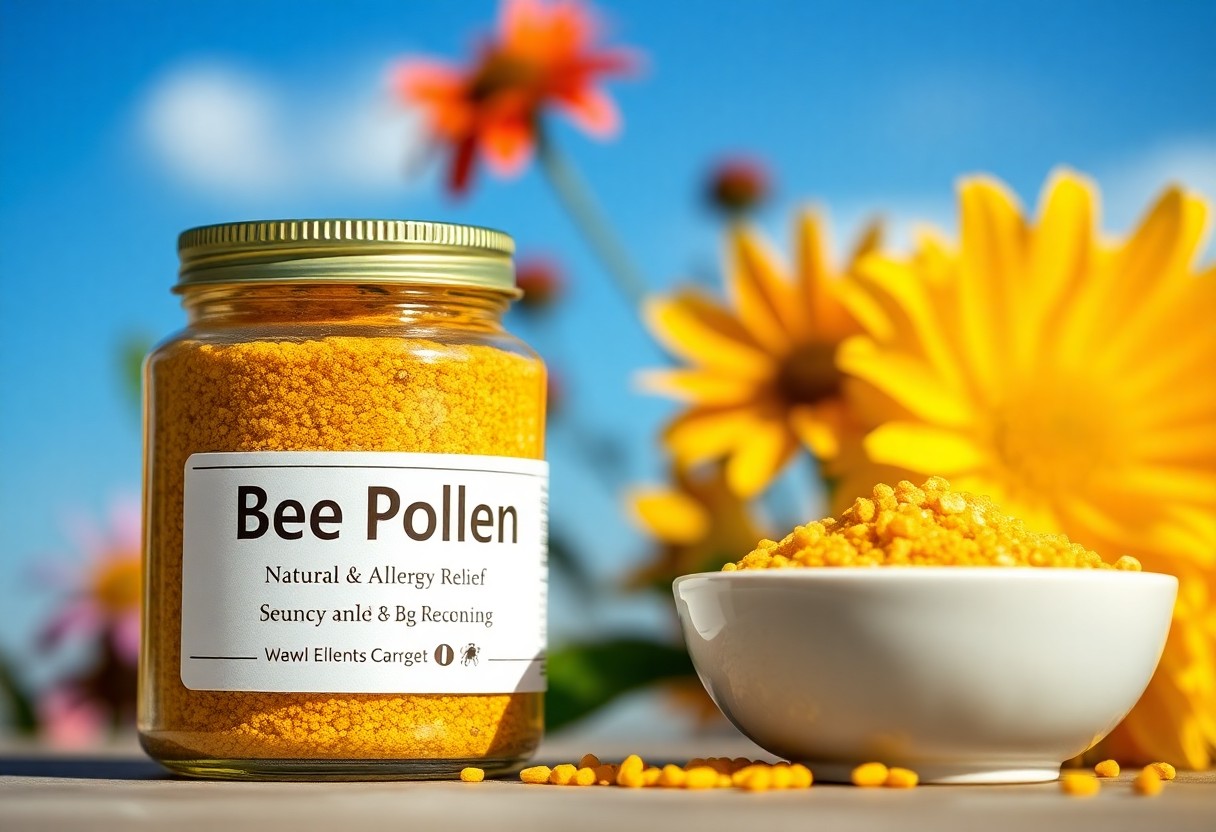
Bee pollen is gaining attention as a potential natural remedy for seasonal allergies and inflammation. You may find that incorporating bee pollen into your diet could help alleviate some of the discomfort caused by allergens in the air. Its rich nutrient profile may support your immune system and reduce inflammatory responses. However, it’s important to approach this remedy cautiously, as some individuals may experience allergic reactions. Understanding how bee pollen works can empower you to make informed choices about your health during peak allergy seasons.
Understanding Seasonal Allergies
Seasonal allergies, often referred to as hay fever or allergic rhinitis, occur when your immune system overreacts to allergens in the environment, typically during spring and fall. Pollens from grasses, weeds, and trees are the primary culprits, and their prevalence can trigger a range of uncomfortable symptoms. Understanding these allergies is vital for effective management and relief, enabling you to enjoy the changing seasons without debilitating symptoms.
Causes and Symptoms
Seasonal allergies arise from exposure to allergens such as pollen, mold spores, and certain grasses. When your body identifies these substances as threats, it releases histamines, leading to symptoms like itchy eyes, runny nose, sneezing, and fatigue. In some cases, more severe reactions can occur, including headaches and difficulty breathing, which warrant immediate medical attention.
Impact on Daily Life
The impact of seasonal allergies can significantly disrupt your daily activities. You may find it difficult to concentrate at work or enjoy outdoor activities with friends and family. Your productivity may decline, and social interactions can become strained when constant sneezing and discomfort take center stage. Additionally, chronic inflammation caused by ongoing allergic reactions can contribute to other health issues, making it vital to find effective management strategies.
In a study, nearly 40% of individuals reported that seasonal allergies interfere with their daily routines, leading to missed workdays and reduced quality of life. This interference extends beyond simple discomfort; it can affect physical performance, emotional well-being, and overall health. Strategies such as medication, environmental control measures, and potential natural remedies like bee pollen can help alleviate these impacts, enabling you to reclaim your enjoyment of life during allergy season.
The Role of Inflammation in Allergies
Inflammation plays a central role in the development and exacerbation of seasonal allergies. When your immune system perceives harmless substances, such as pollen, as threats, it triggers an inflammatory response. This response leads to the release of chemicals like histamines, causing symptoms such as congestion, sneezing, and itching. Chronic inflammation can worsen your overall condition, leading to prolonged discomfort and potential complications.
Link Between Inflammation and Allergic Reactions
The connection between inflammation and allergic reactions is evident in how your body deals with allergens. Exposure to an allergen prompts the immune system to produce more inflammatory mediators, resulting in symptoms that can range from mild to severe. This heightened state of inflammation can cause significant discomfort and may lead to chronic conditions if left unmanaged.
Managing Inflammation
Effectively managing inflammation is key to alleviating seasonal allergy symptoms. Strategies include lifestyle modifications such as a balanced diet rich in anti-inflammatory foods, regular exercise, and hydration. Incorporating supplements like omega-3 fatty acids and antioxidants can also contribute to reducing inflammation in your body.
Maintaining a healthy lifestyle directly impacts inflammation levels. Consuming a diet rich in fruits, vegetables, whole grains, and lean proteins supports immune function and reduces inflammation. Foods high in omega-3s, such as fatty fish, flaxseeds, and walnuts, are particularly beneficial. Additionally, engaging in regular physical activity helps reduce chronic inflammation, and staying hydrated ensures that your body can efficiently flush out allergens. Stress management techniques like yoga and meditation can also play a role in reducing inflammation, ultimately providing relief from seasonal allergy symptoms.
Bee Pollen: Composition and Benefits
Bee pollen is a nutrient-rich substance collected by bees, comprising proteins, lipids, carbohydrates, vitamins, and minerals. This unique composition contributes to numerous health benefits, including its potential role in reducing inflammation and alleviating symptoms associated with seasonal allergies. The synergy of these components enhances your immune function and promotes overall well-being, making bee pollen a valuable natural remedy.
Nutritional Profile of Bee Pollen
You’ll find that bee pollen contains about 25% protein, making it a potent source for muscle repair and immune support. This natural supplement also boasts vital fatty acids, more than 14 vitamins, and an array of minerals, providing a comprehensive nutritional profile that can enhance your daily diet.
Medicinal Properties
Bee pollen exhibits a range of medicinal properties, including antioxidant, anti-inflammatory, and antihistamine effects. These properties can help reduce the severity of allergic reactions and improve your immune response, making it particularly beneficial during allergy seasons.
The antioxidant capacity of bee pollen is significant, containing compounds such as flavonoids and carotenoids that combat oxidative stress. Research has indicated that bee pollen can decrease inflammatory markers, enhancing your body’s ability to fight off allergens effectively. Furthermore, its natural antihistamine properties can provide relief for those suffering from classic allergy symptoms like sneezing and congestion. A study conducted with participants using bee pollen supplements showed a noticeable reduction in allergy symptoms, highlighting its potential as a viable alternative to traditional antihistamines. Incorporating bee pollen into your regimen could therefore offer both short-term relief and long-term immune system support.
Scientific Studies on Bee Pollen and Allergies
Research around bee pollen’s potential benefits for allergic conditions is gradually gaining traction. Some studies suggest that bee pollen may help reduce inflammation and support respiratory health, potentially alleviating symptoms related to seasonal allergies. For further insights, you can explore the Top 5 benefits of bee pollen supplements.
Research Findings
Several studies have indicated that bee pollen may possess anti-inflammatory and antioxidant properties. For instance, a study highlighted its role in inhibiting certain inflammatory pathways, which could translate to reduced allergic reactions in sensitive individuals. However, these findings need further investigation to establish clear causal relationships and treatment recommendations.
Limitations of Current Studies
Many studies on bee pollen’s effects on allergies feature small sample sizes or lack rigorous controls. Additionally, variations in pollen composition due to geographic and floral sources can lead to inconsistent results. This variability complicates the ability to draw definitive conclusions about its overall effectiveness for allergy treatment.
The variability in bee pollen composition is significant, as pollen collected from different plant species contains diverse proteins and nutrients. Consequently, what may work for one individual might not be effective for another. Moreover, many studies fail to follow participants over extended periods, limiting their ability to assess long-term benefits and adverse effects. Addressing these limitations is vital for establishing more reliable guidelines surrounding the use of bee pollen for allergy management.
How to Use Bee Pollen for Allergies
Incorporating bee pollen into your routine can be straightforward. Start with adding it to your smoothies, yogurt, or salads, allowing you to blend it seamlessly into your diet. Gradually increase your intake, aiming for consistent use three times a week during peak allergy seasons for best results. Ensure you source high-quality bee pollen from reputable suppliers to maximize benefits and minimize contaminants.
Recommended Dosage
For optimal effects, consider starting with a dosage of 1 tablespoon (about 15 grams) per day, allowing your body to adjust gradually. Some individuals may benefit from increasing it to 2 tablespoons, based on their tolerance and specific allergy symptoms. Always monitor your body’s reaction to adjust accordingly.
Potential Side Effects and Precautions
While bee pollen is generally safe for most people, some may experience allergic reactions, particularly those with pollen allergies. Symptoms like itching, swelling, or respiratory issues can occur. It’s advisable to consult your healthcare provider before starting bee pollen, especially if you’re on other medications or have existing health conditions.
Allergies to bee pollen can vary widely, and individuals with asthma or pollen sensitivities are at a higher risk. Take caution if you experience any adverse effects, and discontinue use immediately. Pregnant or breastfeeding women should also seek medical advice before including bee pollen in their diet. Always perform a patch test if you are trying bee pollen for the first time, starting with a small amount and observing any reactions before increasing your dosage.
Alternatives to Bee Pollen for Managing Allergies
If bee pollen isn’t your preferred solution for allergies, several alternatives can provide relief. Bee Pollen: What It Is and Why You Really Don’t Need It offers insight into other options like natural remedies and over-the-counter treatments.
Natural Remedies
Essential oils such as eucalyptus and lavender can alleviate allergy symptoms due to their anti-inflammatory properties. Additionally, consuming foods rich in omega-3 fatty acids, like fish and flaxseeds, has been shown to help reduce inflammation and improve overall immune response, providing a natural defense against allergens.
Over-the-Counter Treatments
Over-the-counter (OTC) medications such as antihistamines, decongestants, and nasal sprays offer quick relief from allergy symptoms. Common antihistamines like cetirizine and loratadine work by blocking the action of histamines, thereby alleviating sneezing, itching, and runny noses. Decongestants relieve nasal congestion by shrinking swollen blood vessels in the nasal passage, allowing for easier breathing during allergy season.
Summing up
Conclusively, incorporating bee pollen into your diet may provide beneficial effects for managing seasonal allergies and inflammation. Research suggests that its natural properties can support your immune system and help alleviate allergy symptoms. However, it’s imperative to consult with a healthcare professional before adding it to your routine, especially if you have allergies to pollen or other related substances. By understanding how bee pollen interacts with your body, you can make informed decisions to enhance your wellbeing during allergy season.
FAQ
Q: Can bee pollen reduce symptoms of seasonal allergies?
A: Bee pollen may help alleviate symptoms of seasonal allergies by acting as a natural antihistamine. It contains compounds that can reduce inflammation and support the immune system, potentially decreasing allergic reactions to pollen.
Q: How does bee pollen influence inflammation in the body?
A: Bee pollen has anti-inflammatory properties due to its rich content of antioxidants and vitamins. These components can help in reducing inflammation in the respiratory system and other areas of the body, providing relief from conditions aggravated by inflammation.
Q: What is the recommended dosage of bee pollen for allergy relief?
A: The suggested dosage of bee pollen for allergy relief varies, but starting with 1 to 2 teaspoons a day is common. It’s advisable to gradually increase the dosage while monitoring for any adverse reactions until finding an effective amount.

