
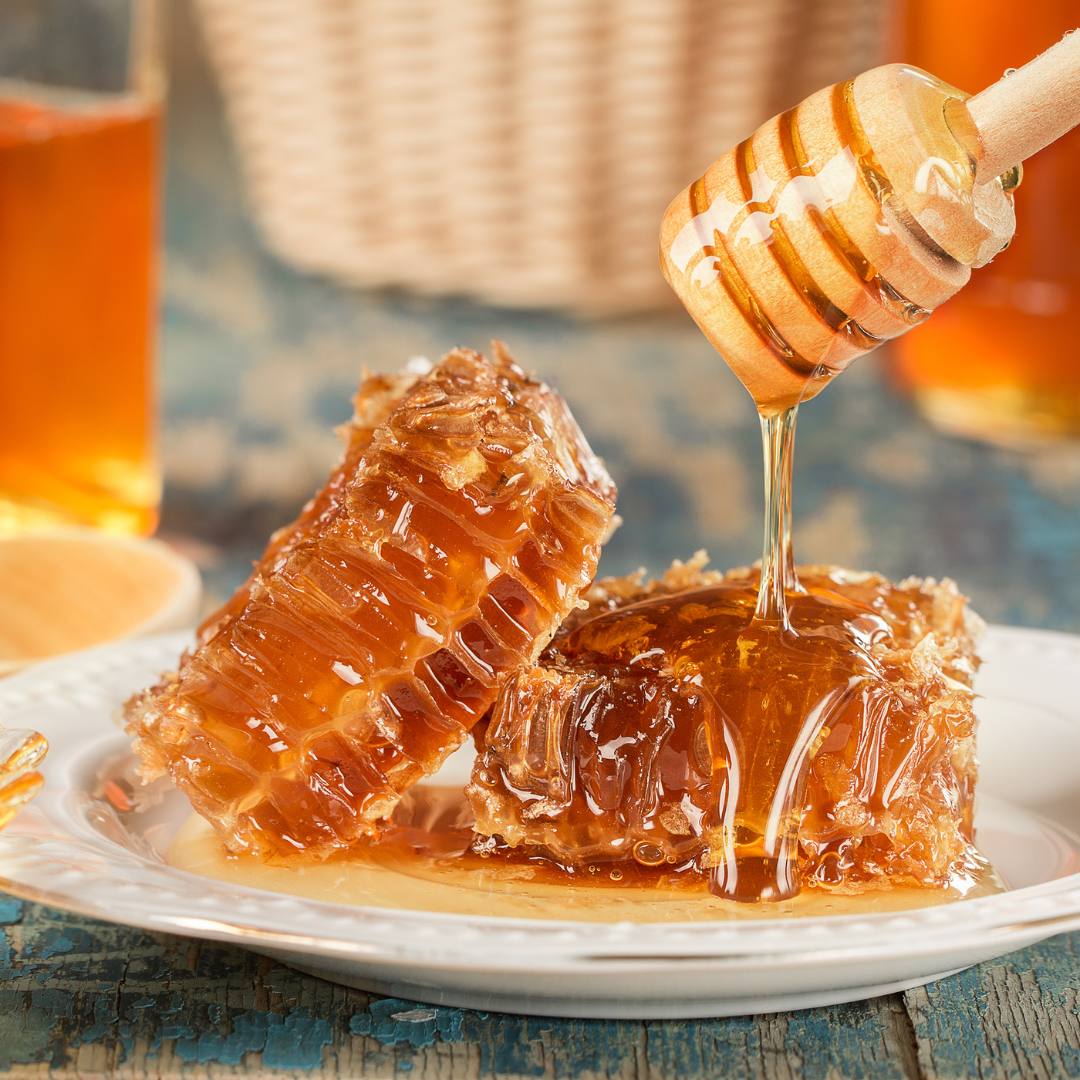
Manuka honey is not only a delicious natural sweetener but also a powerful antibacterial agent known for its healing properties. If you’re dealing with bed sores, using Manuka honey can significantly aid in the healing process while reducing the risk of infection. In this step-by-step guide, you’ll learn how to properly apply this unique honey to your bed sores for optimal results, ensuring that your skin receives the care and nourishment it needs. Follow these instructions carefully to promote healing and enhance your comfort.
Understanding Bed Sores
While caring for individuals with limited mobility, it is crucial to comprehend the condition known as bed sores, also referred to as pressure ulcers or decubitus ulcers. These injuries occur primarily due to prolonged pressure on the skin, particularly over bony areas. Understanding the nature of bed sores enables you to implement preventive measures and effective treatments.
What are Bed Sores?
Understanding bed sores is vital for anyone involved in the care of people who may be at risk. Bed sores present as localized injuries to the skin and underlying tissue due to pressure, friction, or shear forces. They are classified into four stages, ranging from mild redness to severe tissue damage, which can lead to complications such as infections. Early-stage bed sores may heal quickly with appropriate interventions, while advanced stages may require medical attention and extensive care.
Common Causes and Risk Factors
Risk factors contributing to the formation of bed sores include immobility, poor nutrition, and conditions that affect blood flow. When you are unable to change positions frequently, pressure builds on specific areas of the body, impeding blood circulation and leading to skin breakdown. Other contributing factors may include wet or dirty skin, as moisture can further irritate the skin and accelerate damage.
- Immobility: Limited mobility increases the risk of pressure buildup.
- Inadequate nutrition: Poor overall health can weaken your skin.
- Age: The elderly are more prone due to skin elasticity reduction.
- Medical conditions: Diseases like diabetes can impair blood flow.
Risk factors play a significant role in the development of bed sores. When you recognize these elements, such as immobility or inadequate nutrition, you can take proactive steps to protect individuals at risk. It’s important to remember that prevention is often more effective and less costly than treating existing ulcers.
- Pressure points: Common areas include hips, heels, and tailbone.
- Friction and shear: Movement against surfaces increases injury risk.
- Moisture: Incontinence heightens the chance of skin breakdown.
- Poor hygiene: Lack of cleanliness can exacerbate skin problems.
Recognizing these risk factors allows you to create a comprehensive care plan aimed at preventing the onset of bed sores. By remaining aware of how various factors combine to contribute to the pressure ulcer’s development, you can enhance your care strategy and promote better skin health in vulnerable individuals.
Benefits of Manuka Honey
Any discussion of Manuka honey inevitably leads to its remarkable benefits, especially when it comes to treating bed sores. This unique honey, derived from the nectar of the Manuka tree in New Zealand, is not only delicious but also possesses numerous healing properties that can aid in the recovery of damaged skin. By understanding the benefits of Manuka honey, you can make informed decisions about your wound care routine and improve your overall healing process.
Antimicrobial Properties
Now, one of the primary benefits of Manuka honey is its potent antimicrobial properties. Research has shown that this honey can effectively combat a range of bacteria, including antibiotic-resistant strains such as MRSA. This is particularly important when dealing with bed sores, as they can easily become infected if not managed properly. By applying Manuka honey to your sores, you not only provide a natural barrier against harmful microorganisms but also promote an environment conducive to healing.
Furthermore, these antimicrobial properties mean that Manuka honey can help reduce inflammation and prevent infection from taking hold, which can be critically important in the treatment of wounds and sores. You can feel confident knowing that you are using a natural product that can enhance your body’s own defenses while minimizing the risk of complications during your healing journey.
Wound Healing Effects
There’s also a significant body of evidence supporting the wound healing effects of Manuka honey. Its unique composition promotes moisture retention and creates a protective barrier over the wound. This is necessary because a moist environment can accelerate the healing process, allowing new tissue to thrive. Additionally, Manuka honey has been shown to stimulate the growth of new skin cells, which can dramatically speed up recovery time and improve your overall skin integrity.
Effects of Manuka honey extend beyond basic wound care; its natural healing properties contribute to reduced pain and discomfort associated with bed sores. By applying Manuka honey regularly, you can create an environment that not only protects the injured site but also fosters a quicker and more effective healing process. When using this remarkable natural remedy, you harness the power of nature to support and expedite your recovery while significantly reducing the risk of complications.
How to Apply Manuka Honey on Bed Sores
Gathering Necessary Supplies
Necessary supplies are crucial for the effective application of Manuka honey on bed sores. To start, you need reputable, medical-grade Manuka honey that has a high MGO or Unique Manuka Factor (UMF) rating, which indicates its potency. Additionally, you should have sterile gauze pads, adhesive tape, clean gloves, and saline solution for cleaning purposes. Keeping all supplies organized and nearby will streamline the process and help ensure a sterile environment.
It’s also beneficial to have a pair of scissors handy for cutting the gauze to the appropriate size. Ensuring that your workspace is clean and free from contaminants will help you avoid introducing bacteria into the wound. Preparing these items ahead of time enables you to focus on the application without unnecessary interruptions.
Cleaning the Affected Area
On the other hand, cleaning the affected area is an vital step before applying Manuka honey. Begin by washing your hands thoroughly with soap and water to maintain hygiene. Once your hands are clean, put on a pair of sterile gloves to prevent any potential contamination. Next, gently clean the bed sore with saline solution or warm water and a mild, unscented soap to remove any dirt or debris. Be careful not to scrub harshly, as this could damage the fragile skin.
Cleaning the area not only helps to safeguard against infections but also prepares the skin to better absorb the healing properties of the honey. Ensure that the affected area is completely dry before moving on to the application of the honey, as moisture could interfere with the effectiveness of this natural remedy.
Applying Manuka Honey Correctly
Manuka honey should be applied in a generous but controlled manner. Using a sterile applicator or your gloved fingers, scoop up an amount of honey and gently spread it directly onto the cleaned bed sore. Aim for an even layer that is around 1/4 to 1/2 inch thick, making sure to cover the entire wound. Be cautious to avoid applying it too thickly as this might hinder proper absorption and healing.
Affected by the natural viscosity of the honey, the wound should feel comfortable and soothing once the honey is applied. You can also add more honey if needed, depending on the size of the bed sore. Ensure the application is smooth to avoid any air pockets which may lead to complications or discomfort.
Covering the Wound Properly
Affected wounds need to be properly covered to maintain a conducive healing environment. After applying Manuka honey, place a sterile gauze pad over the wound to protect it from external contaminants and keep the honey in place. Use adhesive tape to secure the gauze, ensuring it is snug but not too tight, as this could restrict blood flow.
Another critical point is to keep the dressing loose enough to allow for moisture exchange while preventing any excess dirt or bacteria from entering the area. Changing the dressing frequently, especially if it becomes wet or soiled, will enhance the healing process and help reduce the risk of infection.
Frequency and Duration of Application
Frequency of application is vital for maximizing the healing benefits of Manuka honey on bed sores. It is advisable to change the dressing and reapply the honey at least once daily or as often as needed, depending on the condition of the wound. In some cases, you may need to reapply more frequently if there is a lot of drainage or if the dressing becomes dirty.
The duration for which you continue this treatment will vary based on the severity of the bed sore. Monitor the status of the sore regularly; if it shows signs of improvement, you may gradually reduce the frequency of application. However, if you notice increased pain, redness, or discharge, consult a healthcare professional immediately.
Tips for Maximizing Effectiveness
For optimal results in treating bed sores, it’s crucial to follow specific guidelines that enhance the healing properties of Manuka honey. Here are some useful tips to consider:
- Always choose high-quality Manuka honey with a high MGO or Unique Manuka Factor (UMF).
- Ensure the affected area is clean and dry before application.
- Apply a generous layer of Manuka honey to the sore, covering it adequately.
- Consider using a sterile dressing to protect the honey and maintain moisture.
- Change the dressing and reapply Manuka honey every 24-48 hours or as advised by a healthcare professional.
Knowing these tips will help you maximize the potential healing benefits of Manuka honey for bed sores.
Monitoring Progress
If you want to effectively manage bed sore recovery, regularly monitor the wound’s healing progress. Keeping a visual record via photographs can help you track improvements over time, making it easier to determine whether your treatment plan is working. Be vigilant for signs of infection, such as increased redness, swelling, or discharge.
Additionally, don’t hesitate to consult with a healthcare provider if you notice any concerning changes in the sore or if pain persists. They can offer insights on your Manuka honey treatment and may suggest alterations to enhance recovery.
Maintaining Hygiene
Now, maintaining hygiene is vital when treating bed sores with Manuka honey. You should wash your hands thoroughly before and after touching the affected area to prevent any contamination. When changing dressings, use sterile techniques to keep the sores clean and reduce the risk of infections.
Additionally, ensure that the surrounding skin is well cared for, as intact skin acts as a protective barrier. Regular cleansing with mild soap and water is recommended, and delicate patting dry with a clean towel will help maintain the area’s hygiene without causing further irritation.
It’s also beneficial to keep the skin moisturized while avoiding excessive moisture that could contribute to maceration. Applying a light, breathable moisturizer around the wound can help keep the skin from drying out, ultimately supporting the healing process while using Manuka honey.
Combining with Other Treatments
Maximizing the effectiveness of Manuka honey can often involve its combination with other treatments. For instance, applying a barrier cream or using hydrocolloid dressings alongside Manuka honey can provide additional moisture and protection to the area, aiding in the overall management of bed sores. Be sure to consult with your healthcare provider about the best approaches to combine treatments safely.
Plus, incorporating regular repositioning can also make a significant difference in pressure distribution over bony areas, thus preventing the formation of new sores while allowing current ones to heal more effectively. Always prioritize both the use of Manuka honey and good care practices for optimal healing outcomes.
Final Words
Conclusively, applying Manuka honey on bed sores can be a highly effective method for promoting healing and alleviating discomfort. By following the step-by-step guide outlined earlier, you can systematically incorporate this natural remedy into your wound care routine. It is imperative to ensure that you are using high-quality, medical-grade Manuka honey to achieve the best results. Remember to maintain proper hygiene and consult with your healthcare provider for personalized advice tailored to your specific situation.
By addressing bed sores promptly and effectively with Manuka honey, you are taking proactive steps towards healing and improving your overall skin health. Always be attentive to any changes in your skin’s condition, and don’t hesitate to seek professional guidance if necessary. Your commitment to effective care can significantly enhance your recovery journey, allowing you to heal well and maintain your quality of life.
FAQ
Q: What is Manuka honey and how does it help in treating bed sores?
A: Manuka honey is a type of honey derived from the nectar of the Manuka tree (Leptospermum scoparium), native to New Zealand. It contains unique antibacterial properties, particularly methylglyoxal (MGO), which help to prevent and combat infections that can arise from bed sores. Additionally, its natural ability to promote wound healing and tissue regeneration makes it an effective treatment for bed sores, reducing inflammation and moisture loss while providing a protective barrier over the affected area.
Q: How do I properly apply Manuka honey on bed sores?
A: To apply Manuka honey on bed sores, follow these steps: First, clean the affected area gently with mild soap and water to remove dirt and bacteria. Pat the area dry with a clean towel. Next, take a sufficient amount of medical-grade Manuka honey and apply it directly to the wound site. Ensure that it covers the entire sore generously. Then, cover the honey-coated bed sore with a sterile dressing or bandage, securing it in place. Change the dressing every day or as needed, and reapply the honey after cleaning the area each time. Always consult a healthcare professional for advice tailored to your specific situation.
Q: Are there any precautions to consider when using Manuka honey on bed sores?
A: Yes, several precautions should be taken when using Manuka honey to treat bed sores. Firstly, ensure you are using a high-quality, medical-grade Manuka honey that has been tested for its antibacterial properties. Always check for any allergic reactions by conducting a patch test on a small area of skin prior to larger applications. It’s crucial to keep the bed sores clean, and if there are signs of increased redness, swelling, or pus, consult a healthcare professional immediately. Also, use Manuka honey as a complementary treatment rather than a primary one, and always follow your healthcare provider’s recommendations for managing bed sores.

