
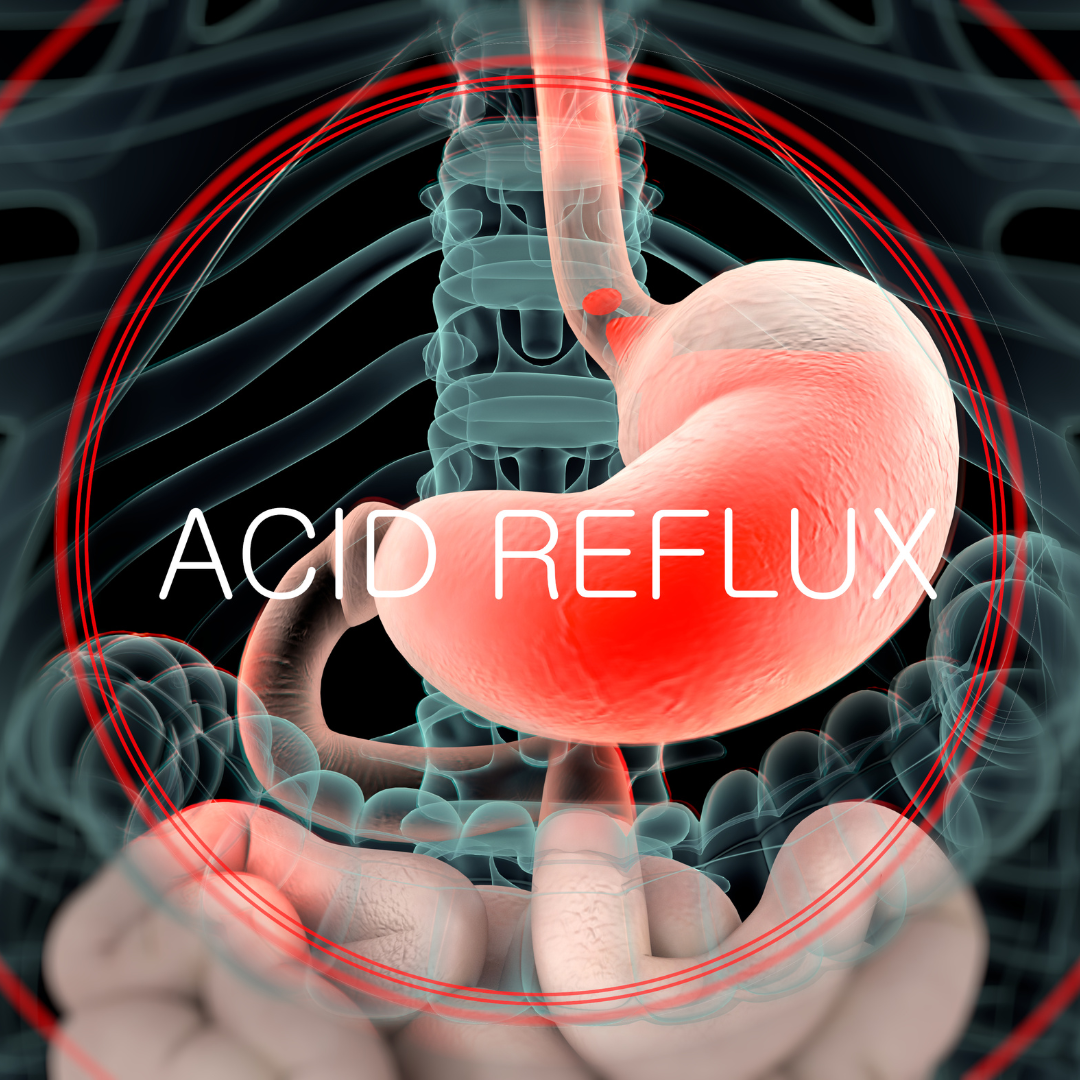
There’s a growing interest in using Manuka honey as a natural remedy for acid reflux symptoms, and you may be wondering how effective it really is and how quickly you can expect relief. Known for its unique antibacterial properties, Manuka honey may help soothe your digestive system and reduce irritation in the esophagus. In this post, we’ll explore how long it typically takes for you to experience symptom relief using this powerful natural sweetener and whether it’s a viable option for your acid reflux management.
Key Takeaways:
- Rapid Relief: Many users report that Manuka honey can provide symptom relief within a few minutes after consumption.
- Consistency Matters: For optimal results, consuming Manuka honey regularly may help in managing acid reflux symptoms over time.
- Individual Variability: The time it takes for Manuka honey to relieve symptoms can vary based on individual circumstances, including severity of reflux and overall health.
Understanding Acid Reflux
Before delving into solutions like manuka honey, it’s vital to understand what acid reflux is and how it can affect your daily life.
Definition of Acid Reflux
Acid reflux, also known as gastroesophageal reflux disease (GERD), occurs when stomach acid flows back into your esophagus. This backflow can happen because the lower esophageal sphincter, a ring of muscle at the junction of the esophagus and stomach, doesn’t close properly. This dysfunction allows acid to escape from the stomach, leading to irritation and discomfort.
When you experience acid reflux, it can result in a burning sensation in your chest or throat, commonly referred to as heartburn. This condition can be more than just an occasional nuisance; it can become chronic and significantly impact your quality of life if not managed effectively.
Common Symptoms of Acid Reflux
Acid reflux manifests through a variety of symptoms that can be bothersome and disruptive. You may experience a burning sensation in your chest, often after eating, which is exacerbated by bending over or lying down. Other common symptoms include regurgitation of food or sour liquid, difficulty swallowing, and the sensation of a lump in your throat.
Additionally, you might notice that certain activities or foods trigger these symptoms, such as consuming spicy foods, citrus fruits, or chocolate. Many individuals also report feelings of bloating or discomfort in their stomach area following meals.
Plus, it’s vital to note that acid reflux symptoms can vary significantly from person to person. While one person may experience frequent heartburn, another may only notice occasional trouble swallowing or a persistent cough. Keeping track of your symptoms will help you and your healthcare provider identify the most effective management strategies.
Causes and Risk Factors
The causes of acid reflux are multifaceted and can include lifestyle factors and physiological conditions. Certain *lifestyle choices* can heighten your risk of developing acid reflux, such as overeating, being overweight, or consuming alcohol. Additionally, some medications, including aspirin and ibuprofen, can contribute to acid reflux by irritating the esophagus.
- Obesity
- Smoking
- Pregnancy
- Hiatal hernia
- Gastroparesis
Assume that if you belong to any of these categories, your susceptibility to experiencing acid reflux may increase significantly.
Understanding these causes can empower you to make informed decisions that may help reduce your risk. By recognizing the lifestyle factors and medical conditions that might contribute to acid reflux, you can take proactive steps to avoid them in your daily life.
- Poor diet choices
- High-stress levels
- Eating too quickly
- Using tobacco products
- Insufficient sleep
Assume that making adjustments in these areas could lead to significant improvement in managing your acid reflux symptoms.
Overview of Manuka Honey
Some of you may have heard about Manuka honey and its various health benefits, particularly for digestive issues such as acid reflux. This unique type of honey originates from the nectar of the Manuka tree, which is native to New Zealand and Australia. It is renowned not only for its distinct flavor but also for its impressive properties that set it apart from regular honey. Understanding what makes Manuka honey special can help you decide if it could be a beneficial addition to your health regimen.
What is Manuka Honey?
With its rich, dark color and robust flavor, Manuka honey is produced by bees that pollinate the Leptospermum scoparium tree, commonly known as the Manuka tree. This honey is recognized for its potent antibacterial properties and has been traditionally used for various medicinal purposes. Unlike typical honey, Manuka honey is graded based on its composition, leading to the establishment of the Unique Manuka Factor (UMF), which quantifies its therapeutic benefits. This grading system can help you make informed choices when selecting a high-quality product.
Nutritional Composition of Manuka Honey
On the nutritional front, Manuka honey is rich in imperative nutrients, including vitamins, minerals, and antioxidants. Each serving typically contains carbohydrates, simple sugars, and a modest amount of protein, contributing to its energy-boosting properties. Additionally, it contains phenolic compounds, which are known for their antioxidant effects, helping to combat oxidative stress in your body.
It’s worth noting that the natural sugars found in Manuka honey, predominantly fructose and glucose, provide a quick source of energy. The presence of minerals such as calcium, magnesium, and potassium further enhances its nutritional profile. However, if you are managing diabetes or monitoring your sugar intake, you should consume Manuka honey in moderation to avoid excessive sugar intake.
Unique Properties of Manuka Honey
An important aspect that distinguishes Manuka honey is its antibacterial activity, attributed largely to the unique compound methylglyoxal (MGO). This compound is believed to be responsible for its ability to inhibit the growth of various harmful bacteria. This is particularly significant for those who experience issues like acid reflux, as maintaining a healthy gut microbiome can positively affect your digestive health.
Additionally, Manuka honey has been shown to possess anti-inflammatory and healing properties, making it beneficial not only for ingestion but also for topical applications. An interesting fact is that it can be used to soothe irritated skin, wounds, and throat discomfort, showcasing its versatility as a natural remedy.
Nutritional components play a vital role in these unique properties. The high antioxidant content can assist your body in fighting inflammation, while the signature MGO offers potent antimicrobial effects. Therefore, the combination of these elements makes Manuka honey a powerful ally in your efforts to alleviate symptoms related to digestive issues like acid reflux.
Mechanism of Action
After considering the various remedies available for alleviating acid reflux symptoms, you may find yourself curious about the mechanism of action of Manuka honey. This unique honey not only offers relief but does so through several key properties that work in harmony to soothe gastrointestinal distress. Understanding these mechanisms can help you determine how effectively it can aid your symptoms.
Antibacterial Properties
For many individuals suffering from acid reflux, the presence of harmful bacteria in the gut can exacerbate symptoms. Manuka honey possesses antibacterial properties due to its high concentration of methylglyoxal (MGO), which has been shown to combat pathogenic bacteria. This characteristic is especially beneficial for those with conditions like Helicobacter pylori infections, known for its association with stomach ulcers and increased gastric acidity.
By targeting these harmful bacteria, Manuka honey not only helps to relieve your acid reflux symptoms but also promotes a healthier gut environment. Through its antibacterial action, it may contribute to a balanced gut microbiome, which is necessary for overall digestive health.
Anti-inflammatory Effects
Effects of Manuka honey extend beyond its antibacterial properties; its anti-inflammatory effects play a crucial role in reducing the inflammation commonly associated with acid reflux. Chronic inflammation can lead to further complications, and incorporating Manuka honey into your diet may help to alleviate some of the discomfort associated with this condition. The anti-inflammatory compounds in Manuka honey can assist in healing inflamed tissues in the esophagus, providing a soothing effect.
Mechanism of action in this context highlights that Manuka honey not only targets bacteria but also works to reduce inflammation throughout your digestive system. This dual-action can be particularly effective for those suffering from chronic acid reflux, as ongoing inflammation is often a significant contributor to your symptoms.
Soothing the Digestive Tract
To appreciate the full range of Manuka honey’s benefits, you should consider how it soothes the digestive tract. It creates a protective barrier on the lining of your esophagus and stomach, which can provide instant relief from the harsh effects of stomach acid. This soothing quality can be particularly advantageous during those moments when acid reflux feels most intense, helping to mitigate the burning sensation that many experience.
Tract healing is necessary for anyone dealing with acid reflux, and Manuka honey offers a natural alternative to over-the-counter antacids. Its viscous texture allows it to coat the digestive lining effectively, delivering lasting relief and promoting recovery from irritation caused by excess acidity.
Manuka Honey vs. Traditional Acid Reflux Treatments
For many individuals experiencing acid reflux, navigating treatment options can be a daunting task. You may have heard about the potential benefits of Manuka honey as a natural remedy. Understanding how it stacks up against traditional treatments is crucial for informed decision-making regarding your symptom relief. This section explores the key differences between Manuka honey and conventional acid reflux treatments.
Comparison with Antacids
Reflux can often be managed effectively with traditional remedies like antacids. These over-the-counter solutions work quickly to neutralize stomach acid and alleviate your discomfort. However, they do not address the root cause of acid reflux and can lead to a recurrence of symptoms shortly after their effects wear off.
Antacids vs. Manuka Honey
| Antacids | Neutralizes stomach acid, provides rapid relief |
| Manuka Honey | May soothe the esophagus and provide longer-lasting relief due to its anti-inflammatory properties |
Alternative Remedies
Treatments for acid reflux can also include various natural alternatives, which may appeal to those looking for non-pharmaceutical solutions. Remedies like ginger tea, aloe vera, and even apple cider vinegar are commonly used by individuals seeking relief from acid reflux symptoms. Each of these alternatives offers unique benefits, but their efficacy can vary significantly from person to person.
With the growing interest in holistic healing, Manuka honey has emerged as a popular choice among natural remedies. Its inherent healing properties are thought to help soothe irritation in the esophagus and reduce inflammation, making it a complementary option worth considering. Incorporating Manuka honey into your daily routine could serve as a gentle and natural way to support your gastrointestinal health.
Prescription Medications
Manuka honey can provide a gentle and natural approach to managing your acid reflux symptoms, but it may not replace the need for traditional medical intervention. If your symptoms are severe or persistent, prescription medications like proton pump inhibitors (PPIs) or H2 blockers may be vital for controlling your condition. These medications work by significantly reducing the secretion of stomach acid, thus mitigating the risk of esophageal damage.
Medications prescribed for acid reflux can come with potential side effects, including headaches, gastrointestinal issues, and an increased risk of infections. It’s important to discuss these concerns with your healthcare provider and evaluate whether the long-term benefits outweigh the risks for your individual situation. Always ensure that you are making well-informed choices concerning your health, especially when combining treatments like Manuka honey with prescription options.
How Long to Expect Relief
Keep in mind that when using Manuka honey for acid reflux, the timeline for experiencing relief can vary significantly from person to person. You might find that certain factors influence how quickly you start to feel better. Understanding these factors can help set realistic expectations for your relief journey.
Factors Influencing Relief Time
For your reasons, consider the following elements that might affect the time it takes for Manuka honey to relieve your acid reflux symptoms:
- Severity of symptoms
- Frequency of acid reflux episodes
- Dietary habits and lifestyle choices
- Overall digestive health
- Dosage and potency of Manuka honey used
The combination of these factors will largely dictate how quickly you can expect to notice symptom alleviation.
General Timeline for Symptom Relief
Symptoms of acid reflux can vary in intensity, and thus the timeline for symptom relief after using Manuka honey is not fixed. Many users report noticing some initial improvement within a few hours to a couple of days after incorporating this natural remedy into their routine. For others, it may take a week or more to see significant changes. A consistent intake of Manuka honey, ideally on an empty stomach, can hasten the relief process.
Influencing factors include how much Manuka honey you consume daily and the specific formulation of the honey itself. High-grade Manuka honey, which is rich in methylglyoxal (MGO), may offer more potent relief than lower-grade varieties. Additionally, if you couple the use of honey with other healthy changes, like improving your diet or reducing stress, you may experience even quicker alleviation of your symptoms.
Personalized Experiences
Timeline considerations aside, your unique experience with Manuka honey will ultimately depend on how your body reacts. Some individuals may feel immediate relief, while others could take longer to see results. It’s important to listen to your body and give it the time it needs to adjust, especially if you’re new to using honey as a remedy.
This individual variability emphasizes the importance of patience during your relief journey. Keeping track of how your symptoms evolve and how they respond to the application of Manuka honey can help you gauge its efficacy for your specific situation. Remember that making small lifestyle adjustments alongside using Manuka honey can significantly enhance your outcomes. The key is to stay observant and adjust your approach accordingly.
How to Use Manuka Honey for Acid Reflux
Despite being a natural remedy, using Manuka honey effectively to alleviate acid reflux symptoms requires understanding the right approach. Not only can it soothe the digestive tract, but its antibacterial properties may also help maintain a healthier gut environment. Here’s how you can incorporate this special honey into your routine to support your digestive health.
Recommended Dosages
Honey can be a sweet addition to your health regimen, but it’s crucial to adhere to recommended dosages for optimal results. Generally, a common suggestion is to take one to two teaspoons (10-20 grams) of Manuka honey daily. Depending on individual tolerance and symptoms, you can adjust this amount as needed, but avoid exceeding a total intake of 30 grams per day. It’s also advisable to start with a smaller dosage and gradually increase as necessary, observing how your body responds.
When choosing the right Manuka honey, pay attention to the Unique Manuka Factor (UMF) rating, which measures the honey’s purity and potency. For acid reflux issues, it’s recommended to select honey with a UMF rating of at least 10+ for optimal efficacy. Always consult with your healthcare provider before introducing new supplements, especially if you have underlying health conditions.
Best Times to Take Manuka Honey
Acid reflux often flares up after meals, making timing critical when consuming Manuka honey. The ideal times to take this honey are on an empty stomach in the morning or right before bed. This can provide a protective coating for your esophagus and stomach lining, minimizing irritation. Additionally, taking it between meals can help maintain a stable pH level in your stomach.
With consistent use, you may notice a significant improvement in your symptoms. However, it’s crucial to listen to your body; if symptoms persist or multiply, reevaluate your approach and consult a healthcare professional. Remember that while Manuka honey can be a beneficial addition to your overall strategy for managing acid reflux, individual results may vary.
Methods of Consumption
Manuka honey can be consumed in various ways to fit your preferences. A straightforward method is to take it directly by spoon, allowing it to dissolve gradually in your mouth. Alternatively, you can mix it into warm water or herbal tea, ensuring the temperature is not too high to preserve the honey’s beneficial properties. You might also consider adding it to smoothies or incorporating it into your favorite breakfast foods, like yogurt or oatmeal, for extra flavor and health benefits.
This flexibility in consumption means you can easily find a method that suits your taste. Just be cautious not to add Manuka honey to hot foods or boiling liquids, as excessive heat can diminish its active components. Experiment with different methods to determine which suits your lifestyle while maximizing the honey’s effectiveness against acid reflux.
Safety and Considerations
Unlike other natural remedies, Manuka honey has unique properties that need to be considered before use. It’s necessary to keep in mind that while many people find relief from acid reflux symptoms using this honey, individual reactions can vary. Therefore, you should consult your healthcare provider if you are considering adding Manuka honey to your treatment plan, especially if you have existing health conditions or are on medications.
Potential Side Effects
Effects of Manuka honey can differ from person to person. While many people tolerate it well, some individuals may experience allergic reactions or gastrointestinal discomfort, such as bloating or diarrhea. If you notice any adverse effects after consuming Manuka honey, it is critical to discontinue use and seek medical attention.
Interactions with Medications
Medications that you may be taking can influence how Manuka honey affects you. Some studies suggest that the natural sugars and compounds in Manuka honey might interfere with the absorption of certain drugs, such as those used for diabetes and antifungal treatments. Therefore, it’s vital to actively monitor this when combining Manuka honey with your medication regimen.
With regard to medication interactions, it’s advisable to consult with your doctor or pharmacist regarding your current prescriptions. They can provide guidance on whether it is safe to use Manuka honey in conjunction with your existing medications and help you avoid any potential complications.
Who Should Avoid Manuka Honey
An important group of individuals who should avoid Manuka honey includes diabetics, due to its high sugar content. This honey can raise blood sugar levels, making it challenging to manage diabetes effectively. Furthermore, those with severe allergies to bee products should also refrain from using it, as it may lead to serious allergic reactions.
Considerations are crucial when deciding to use Manuka honey, especially if you fall into one of these categories. Always make sure to consult with your healthcare provider if you have any concerns regarding your health condition or potential reactions to Manuka honey.
To Wrap Up
On the whole, Manuka honey can be a promising natural remedy for alleviating acid reflux symptoms. While the time it takes for you to experience relief can vary based on individual circumstances, many people report positive effects within a few days to a couple of weeks of consistent use. It’s important to take a high-quality Manuka honey with a suitable UMF rating to ensure you are receiving the maximum therapeutic benefits. Be sure to start with a small amount, typically one to two teaspoons daily, and observe how your body responds.
Additionally, it’s critical to remember that while Manuka honey may help manage your acid reflux symptoms, maintaining a balanced diet and considering other lifestyle changes are vital components of long-term relief. If you’re unsure about incorporating this natural remedy into your routine or if your symptoms persist, consulting a healthcare professional is advisable. By combining Manuka honey with an overall healthy lifestyle, you can increase your chances of effectively managing and reducing your acid reflux issues over time.
Q: How long does it typically take for Manuka honey to relieve acid reflux symptoms?
A: The time it takes for Manuka honey to relieve acid reflux symptoms can vary from person to person. Some individuals may experience relief within a few hours after consumption, while for others it may take several days of consistent use. It’s advisable to consume Manuka honey on an empty stomach or before meals for better results, as this may optimize its soothing effects on the esophagus and stomach lining.
Q: How should Manuka honey be taken to help with acid reflux symptoms?
A: For individuals seeking to alleviate acid reflux symptoms with Manuka honey, a common recommendation is to take 1-2 tablespoons of the honey daily. This can be consumed directly or mixed with warm water or herbal tea. It’s important to note that while Manuka honey can help, it should be part of a broader lifestyle approach, including dietary changes and avoiding triggers that worsen acid reflux.
Q: Are there any factors that can affect how quickly Manuka honey works for acid reflux?
A: Yes, several factors can influence how quickly Manuka honey may relieve acid reflux symptoms. These include the severity of the acid reflux condition, individual metabolism, underlying health issues, and dietary habits. Additionally, the potency of the Manuka honey (indicated by its Unique Manuka Factor, or UMF rating) can also play a role. Generally, higher UMF ratings suggest stronger antibacterial properties, which may lead to faster relief of symptoms.

